 Haocool

If you grow fresh fruits, vegetables, or flowers, you already know how fast they can lose quality after harvest. The heat they carry from the field – called field heat – speeds up spoilage within hours. That’s where a pre‑cooling cold room comes in.
A pre‑cooling cold room is a refrigerated space designed to rapidly remove field heat and respiration heat from freshly harvested produce. It’s a critical part of the cold chain logistics. Without proper pre‑cooling, even the best cold storage won’t save your crops from wilting, colour loss, and mould.
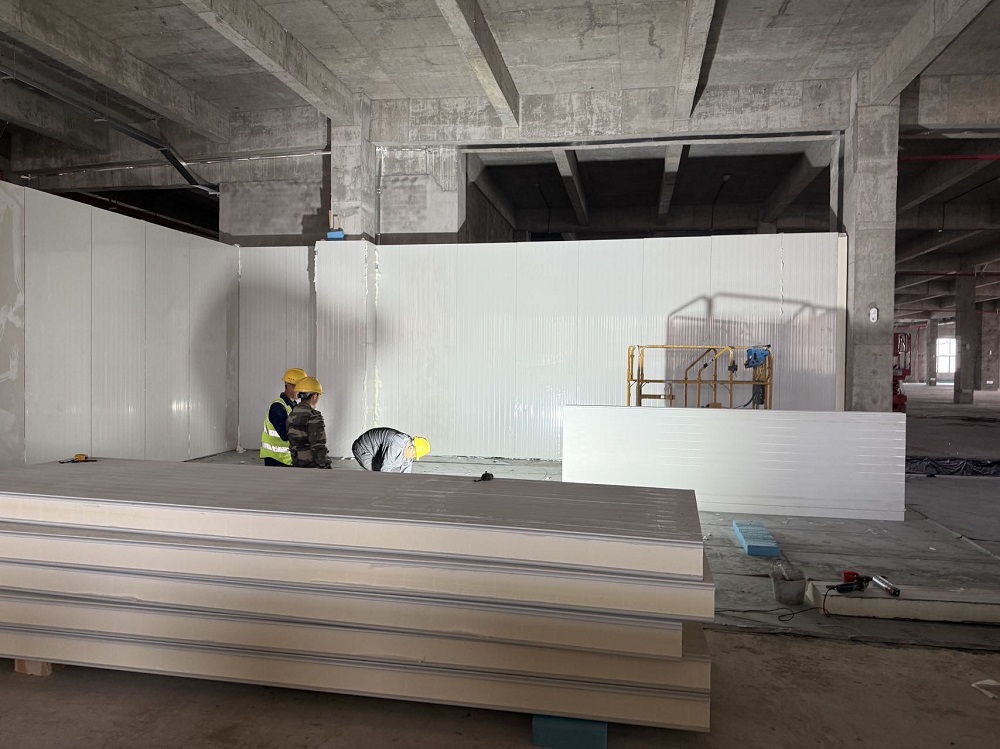
What Is a Pre‑Cooling Cold Room?
Unlike regular cold storage that slowly brings down temperature over days, a pre‑cooling cold room works fast – typically within a few hours. It stops the natural respiration of fruits and vegetables, locks in moisture, and keeps produce looking and tasting fresh for much longer.
These rooms are essential for anyone selling fresh produce to supermarkets, restaurants, or export markets. Without rapid cooling, your shelf life shrinks dramatically.
How Much Does a 100–500 sqm Pre‑Cooling Cold Room Cost?
Costs vary based on size, insulation material, and refrigeration equipment. But here are realistic estimates based on current market prices (in USD, as of 2025):
- 100 square metres: approximately $25,000 – $35,000 USD
- 500 square metres: approximately $55,000 – $77,000 USD
These are averages. Your final price could be 15–20% higher or lower depending on your location, brand choices, and how many separate rooms you need.
Different Cooling Methods – Which One Is Right for You?
Not all pre‑cooling rooms work the same way. The method you choose affects both cost and performance.
Natural Ventilation Pre‑Cooling
This method uses natural airflow or a basic ventilation system inside the room. It’s cheap and simple, but slow. It works best for small farms storing hardy crops like apples and pears. The main drawback: it’s heavily affected by outside weather.
Forced Air Pre‑Cooling (Most Common)
A fan forces cold air through the produce packaging or pallets. This speeds up heat exchange significantly – usually taking just a few to twelve hours. It’s moderately priced and works for a huge range of crops, including leafy greens, strawberries, and herbs. This is the go‑to choice for most medium‑sized cold rooms.
Hydro Pre‑Cooling (Water Cooling)
The produce is sprayed with or submerged in chilled water. It’s very fast and efficient, especially for root vegetables like carrots and radishes. However, you must add sanitisers to the water to prevent microbial growth. Hydro cooling also requires good drainage and water treatment, which adds to the cost.
What Else Affects the Total Cost?
Beyond the basic size and cooling method, several other factors change the final price.
Insulation Material
High‑density polyurethane panels are more expensive than polystyrene, but they offer much better thermal efficiency. For a pre‑cooling room that needs to pull heat out quickly, polyurethane is worth the extra investment. It lowers your electricity bills and keeps temperatures stable.
Refrigeration Equipment
Cheaper compressors and evaporators from local brands can save you money upfront. But premium brands (European or American made) often have higher energy efficiency and last longer. If you run the cold room 24/7 during peak seasons, paying more for quality equipment usually pays back within two to three years.
Number of Compartments
A single large room is cheaper to build than several small rooms. But multiple compartments let you pre‑cool different crops at different temperatures simultaneously. More compartments = higher cost for extra doors, insulation walls, and independent controls.
Final Thoughts – Is a Pre‑Cooling Cold Room Worth It?
If you grow produce that spoils quickly – berries, leafy greens, fresh herbs, or tender flowers – a pre‑cooling cold room is not a luxury. It’s the difference between selling fresh, beautiful produce for a good price or watching your harvest rot in two days. For a 100–500 sqm room, you’re looking at an investment of roughly $25,000 to $77,000 USD. Most growers recover that cost in one or two seasons through reduced waste and higher product quality.