 China cold storage solution provider

For meat processors, distributors, and cold chain investors, a -18°C frozen meat cold storage is the industry standard for long-term preservation. Compared with fresh or chilled storage, frozen storage significantly extends shelf life while stabilizing product quality and inventory value.
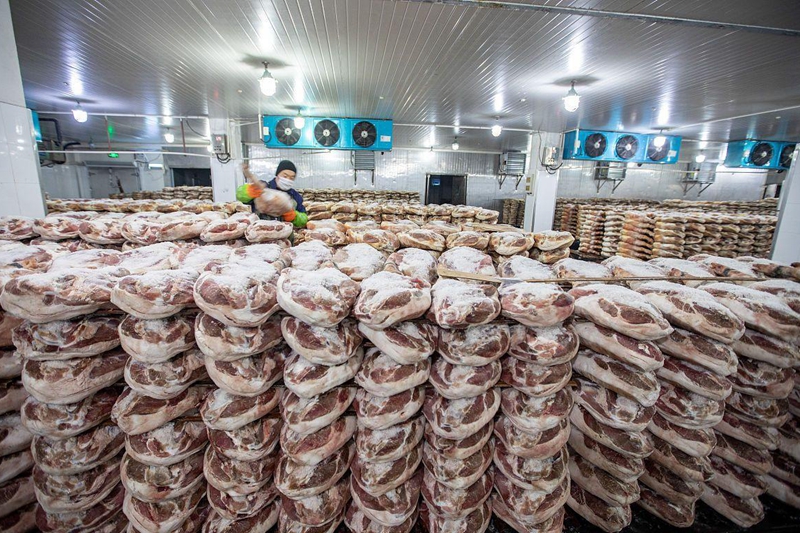
Typical Cost of -18°C Meat Cold Storage (By Size)
The construction cost of a meat freezer varies based on storage volume, insulation thickness, refrigeration system, and automation level. Below is a market-based reference range for standard configurations.
Small Meat Cold Storage (10 sqm)
- Estimated investment: USD 5,500 – 7,000
- Clear height: ~3 meters
- Storage volume: ~30 m³
- Meat storage capacity: 10–13 tons
This type is commonly used by butcher shops, small meat processors, or local distributors. Although the unit cost per square meter is higher, the total investment remains manageable.
Medium Meat Cold Storage (100 sqm)
- Estimated investment: USD 22,000 – 28,000
- Clear height: ~4 meters
- Storage volume: ~400 m³
- Meat storage capacity: 80–100 tons
This size is ideal for regional meat wholesalers, food factories, or frozen food exporters, balancing construction cost and usable storage efficiency.
Large Meat Cold Storage (1000 sqm)
- Estimated investment: USD 140,000 – 170,000
- Clear height: ~5 meters
- Storage volume: ~5,000 m³
- Meat storage capacity: 1,800–2,000 tons
Large-scale meat cold storage significantly reduces cost per cubic meter and is typically chosen by industrial meat processors, cold chain logistics hubs, and export-oriented enterprises.
What Are You Paying for in a -18°C Meat Freezer?
From an overseas buyer’s perspective, the construction cost mainly covers:
- High-density PU insulation panels (150–200 mm thickness)
- Low-temperature refrigeration systems (Bitzer, Copeland, or equivalent)
- Evaporators designed for meat freezing (anti-dehydration airflow design)
- Cold room doors, floor insulation, and vapor barriers
- Electrical control system & safety protection
Lower temperatures mean thicker insulation, higher compressor power, and higher energy efficiency requirements, which explains why frozen meat storage costs more than chilled storage.