 China cold storage solution provider

Snow pears are widely traded in both domestic and export markets due to their crisp texture, high juice content, and strong consumer demand. However, snow pears have a high respiration rate after harvest, which makes them highly sensitive to temperature and humidity conditions. Without proper cold storage, quality loss can occur rapidly.
A well-designed cold storage system is the key factor that determines how long snow pears can be stored, how much loss occurs, and whether off-season sales are possible.
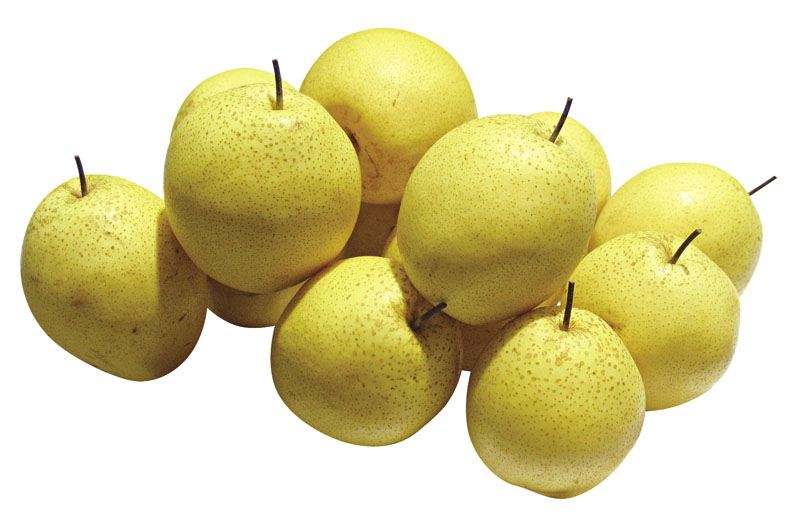
How Long Can Snow Pears Be Stored in Cold Storage?
Under controlled cold storage conditions, snow pears can typically be stored for 4 to 5 months without significant loss of appearance, texture, or nutritional value.
In comparison, snow pears stored at ambient temperature often begin browning, softening, or decaying within a few weeks. Cold storage significantly slows respiration and moisture loss, extending shelf life and stabilizing market supply.
The actual storage duration depends on three critical factors:
- Temperature stability
- Humidity control
- Initial fruit quality before storage
Optimal Temperature Range for Snow Pear Cold Storage
Temperature is the most sensitive parameter for snow pear preservation.
The recommended storage temperature for snow pears is -1°C to 2°C, with most commercial cold storage facilities operating at 0–1°C for long-term stability.
Temperatures below -2°C may cause chilling injury, as the freezing point of snow pears is close to this threshold. On the other hand, temperatures above 5°C significantly increase respiration activity, leading to faster aging and higher decay rates.
Maintaining a stable temperature with minimal fluctuation is more important than achieving the lowest possible temperature.
Humidity Control and Quality Preservation
Humidity plays a decisive role in maintaining both weight and appearance during storage.
Snow pears continuously lose moisture through their skin after harvest. Excessive dehydration results in surface shriveling, reduced firmness, and lower commercial grade.
- Recommended relative humidity: 90–95%
- Stable humidity helps preserve skin smoothness and internal juiciness
- Humidification systems are commonly used in commercial cold storage to maintain consistency
Why Pre-Storage Handling Affects Final Storage Results
Cold storage performance begins before the fruit enters the cold room.
Snow pears intended for long-term storage should be carefully sorted to remove diseased, bruised, or insect-damaged fruit. Even a small number of damaged pears can accelerate spoilage inside the storage environment.
Pre-cooling is equally important. Removing field heat quickly—through forced-air cooling or rapid cold room pull-down—helps reduce respiration intensity and improves overall storage outcomes. In commercial practice, pre-cooling is typically completed within 48 hours after harvest.
Cold Storage Capacity and Investment Considerations
From an investment perspective, buyers are usually more concerned with how much fruit can be stored for a given budget, rather than technical parameters alone.
As a general reference:
- 1 ton of snow pears requires approximately 4–5 cubic meters of cold storage space
- A 500 m² fruit cold storage facility (4–5 m clear height) can store around 200–250 tons
- A 1,000 m² cold storage facility can handle 400–500 tons, depending on pallet layout and aisle spacing
Typical investment ranges for snow pear cold storage projects fall between USD 50,000 and USD 120,000, depending on scale, insulation thickness, and refrigeration system selection.
Average electricity consumption is approximately 0.6–1.0 kWh per ton per day, making fruit cold storage a relatively energy-efficient investment compared to frozen storage.
Important note: Snow pears should not be stored together with apples or other ethylene-producing fruits, as mixed storage accelerates ripening and shortens shelf life.