 China cold storage solution provider

Storing lettuce, tomatoes, carrots, and peppers in the same facility sounds efficient—but they all need different temperatures. Mix them wrong, and you’ll lose 30% of your crop to rot, wilting, or chilling injury.
The solution? A multi-zone vegetable cold room—designed to store diverse produce safely and profitably under one roof.
So how much does it cost—and how much can you actually store?
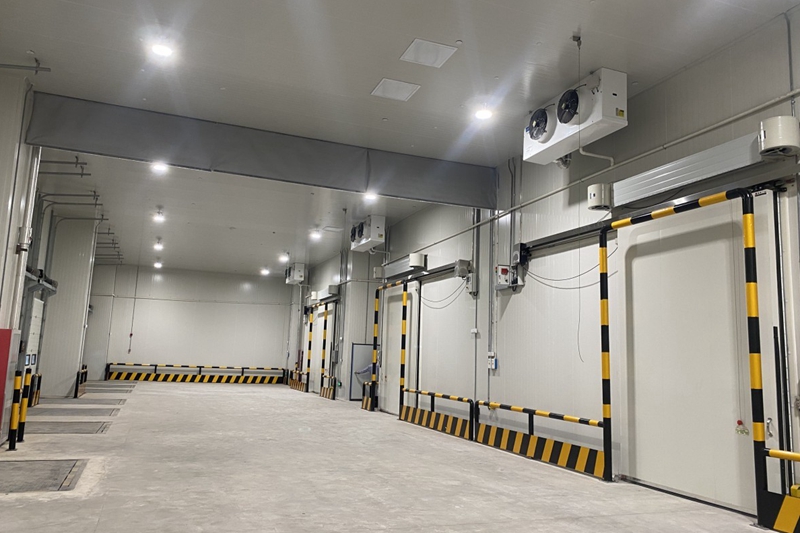
📦 Storage Capacity vs. Investment: Real Numbers (2026)
| Facility Size | Floor Area | Usable Volume* | Total Cost (USD) | Mixed Vegetable Capacity |
|---|---|---|---|---|
| Small Farm / Co-op | 100 m² | 400 m³ | $20,000 – $25,000 | 80 – 100 metric tons |
| Regional Packing Hub | 500 m² | 2,000 m³ | $90,000 – $120,000 | 400 – 500 metric tons |
| Export-Ready Facility | 1,000 m² | 4,000 m³ | $160,000 – $210,000 | 800 – 1,000 metric tons |
*Assumes 4m clear height and standard palletized/carton storage.
Capacity varies by crop density (e.g., leafy greens = lighter; root veg = denser).
❄️ Why One Temperature Doesn’t Fit All Vegetables
| Vegetable Type | Ideal Temp | Humidity | Risk if Stored Wrong |
|---|---|---|---|
| Leafy Greens (lettuce, spinach) | 0–2°C | 90–95% RH | Wilts fast above 4°C |
| Root Crops (carrots, potatoes) | 2–4°C | 90–95% RH | Sprouts if too warm |
| Fruit Veggies (tomatoes, eggplant) | 10–13°C | 85–90% RH | Chilling injury below 8°C → pitting, decay |
| Peppers, Cucumbers | 10–12°C | 90–95% RH | Water-soaked spots if cold |
⚠️ Storing tomatoes at 2°C (like lettuce) = irreversible damage in 48 hours.
💰 Cost Breakdown: Single-Zone vs. Multi-Zone
| Configuration | Key Features | Total Cost (1,000m² Example) |
|---|---|---|
| Single-Temp (0–4°C) | One chamber, basic insulation | $120,000 – $150,000 |
| Dual-Zone (0–2°C + 10–13°C) | Two insulated compartments, separate evaporators | $160,000 – $210,000 |
| Triple-Zone (+ humidity control) | Three zones + dehumidifiers for dry crops | $220,000 – $260,000 |
✅ Multi-zone systems cost 20–30% more upfront—but reduce spoilage by 40–60%, enabling higher-margin sales.
🌍 Real-World Insight
A vegetable exporter in Nairobi, Kenya built a 500m² dual-zone cold room to serve EU supermarkets:
- Zones: 300m² at 1°C (kale, spinach), 200m² at 12°C (avocados, tomatoes)
- Total Investment: $105,000 USD
- Capacity: Stores 450 tons/month
- Result:
- Reduced rejection rate from 28% → 5%
- Began exporting high-value tomatoes (previously impossible due to chilling risk)
- Achieved ROI in 10 months
“Before, we stored everything at 2°C—and lost half our tomatoes. Now, every crop gets its perfect climate.”
— Operations Lead, East Africa Fresh Produce Co-op
🔑 Pro Tip: Start with Dual-Zone—Scale Later
Most diversified farms only need two zones:
- Zone A: 0–2°C for leafy greens, broccoli, carrots
- Zone B: 10–13°C for tomatoes, eggplant, peppers, avocados
This covers 90% of common export vegetables at minimal extra cost.