 Haocool

Author: Multinational Beverage Factory Cold Chain Senior Engineer
11 years turnkey cold storage design experience for COFCO-Coca-Cola, Pepsi and large juice manufacturing plants. Familiar with GB 50072-2021, HACCP food hazard control system & FDA 21 CFR Part 11 electronic record standard, specialize in multi-zone raw pulp & syrup cold warehouse design for carbonated & fruit beverage factories.
Project Overview
This turnkey multi-temperature cold storage serves COFCO Coca-Cola Beijing production plant, dedicated to centralized storage of concentrated fruit pulp, frozen raw materials, sugar syrup and food additives to support full-year beverage production.
Beijing local climate: Hot humid summer with frequent wall condensation risk; beverage raw materials sensitive to temperature fluctuation, mold and browning, requiring strict constant humidity & physical isolation zoning.
Core Standard Engineering Data
1 Independent temperature zones by beverage raw material:
- 0~4℃ Chilled Zone: Fresh fruit concentrate (RH 65%~75%)
- -20℃ Frozen Zone: Frozen fruit pulp, berry raw materials
- 10~15℃ Buffer Room: Liquid sugar, food additives
2 Construction full delivery cycle: 30 calendar days (including equipment commissioning & 72h full load temperature verification)
3 Compliance standard: Domestic food HACCP, FDA 21 CFR Part 11 electronic trace, ISO22000 food safety system
Pre-Construction Factory Pain Points
1 Scattered temporary raw storage without physical isolation; temperature fluctuation ±3℃ causes fruit concentrate browning, monthly scrap rate up to 11.2%;
2 Manual editable temperature records, unable to meet FDA export audit requirements;
3 Single refrigeration unit without standby, summer overload leads whole batch pulp loss;
4 No allergen separate partition, risk of cross-contamination of different fruit raw materials;
5 Single-layer insulation leads wall condensation, carton packaging mildew.
1 Multi-Zone Beverage-Specific Insulation & Anti-Condensation Envelope
Comply with GB 50072 mandatory full warm-side HDPE vapor barrier for North China humid summer:
| Temperature Zone | PU Panel Spec | Beverage Raw Material Optimization |
|---|---|---|
| 0~4℃ Concentrate Room | 100mm B1 low-smoke flame retardant PUR | Double HDPE vapor barrier, 50mm seamless 304 stainless arc wall for daily sanitization |
| -20℃ Frozen Pulp Room | 150mm B1 high-density PUR | Double XPS anti-freeze floor with drainage channel for thaw wastewater |
| 10~15℃ Additive Buffer | 100mm anti-mildew panel | Light-shielding structure to avoid additive photodegradation |
Core construction rule: Every loading vestibule equipped heating air curtain; all bracket holes fitted nylon cold-bridge gaskets to eliminate wall sweating polluting raw material packaging.
2 N+1 Redundant Refrigeration & Grade II Food Power Supply
Each independent raw material zone adopts 1-main-1-standby BITZER semi-hermetic piston unit with dual-circuit KUBA evaporator, auto fault rotation switch:
1 Refrigeration safety: No repeated freeze-thaw cycle for frozen berry pulp, air flow ≤0.6m/s to reduce concentrate water loss;
2 Mandatory power configuration (Food Grade II Load): Dual independent municipal power + emergency diesel generator + 72h dedicated UPS for monitoring system;
3 Defrost mode: Hot gas circulation, avoid local overheating damaging fruit pulp quality.
3 HACCP & FDA 21CFR Compliant Zoning Layout (Solid Wall Only, Curtain Forbidden)
Three fully separated functional areas for raw material inbound management:
1 Yellow Pending Inspection Zone: Unverified incoming fruit pulp & syrup
2 Green Qualified Storage Zone: Batch passed inspection for production use
3 Red Defective / Expired Raw Material Isolation Room
Allergen Separation Hard Rule
Separate solid partition for citrus, berry, tropical fruit raw materials to prevent cross allergen contamination; independent one-way personnel & cargo flow, no raw-finished cross mixing.
Sanitation Standard
All wall-floor seamless arc transition, full UV disinfection lamps inside each cold room, no dead corners for daily food-grade sanitizer flushing.
4 FDA-Compliant Intelligent Trace Monitoring Platform
1 Multi-point PT100 sensors laid per 100㎡, temp fluctuation controlled ≤±0.8℃; data auto record every 15 minutes;
2 2-year non-editable encrypted cloud storage (meet FDA 21 CFR Part 11 mandatory requirement, original version only 90 days invalid);
3 Four-level linkage alarm: On-site sound-light + SMS + PC backend + mobile APP remote warning for temperature/humidity out of range;
4 Complete DQ/IQ/OQ/PQ four-stage cold storage validation documents delivered for factory audit.
5 Measurable 12-Month Operational Benefits
1 Three solid-wall zoning & 2-year trace data pass domestic & overseas FDA one-time audit without rectification;
2 Double vapor barrier eliminate wall mildew, fruit concentrate scrap rate reduced from 11.2% down below 1.8%;
3 N+1 standby unit completely avoid mass frozen pulp loss during summer equipment failure;
4 Inverter compressors cut annual refrigeration power consumption by 22%;
5 Stable raw material quality extend beverage finished product shelf life by 1 month.
6 Common Beverage Factory Cold Storage Audit Pitfalls
1 Editable temperature logs / storage less than 2 years → FDA export audit failure
2 No independent standby compressor → Whole batch fruit pulp scrapping risk
3 Cloth curtain instead of solid allergen partition → HACCP rectification order
4 Omit double HDPE vapor barrier → Packaging mold in summer
5 Single power supply without UPS/diesel → Long power outage raw material deterioration
6 No DQ/IQ/OQ/PQ validation files → Factory production line shutdown inspection
Simple Beverage Factory Cold Storage ROI Calculation Formula
Annual Net Saving = Raw Material Spoilage Reduction − Annual Power & Maintenance Cost
Full Payback Months = Total EPC Investment ÷ Average Monthly Net Saving
FAQ For Beverage Factory Infrastructure Managers
Q1 What storage temp for fruit concentrate & frozen pulp?
Fruit concentrate 0~4℃ (RH65%-75%), frozen berry pulp -20℃, additive buffer room 10~15℃.
Q2 How long must cold storage records be kept for FDA audit?
Minimum 2 years non-editable encrypted storage per 21 CFR Part 11 standard.
Q3 Why separate different fruit raw materials by solid wall?
Prevent allergen cross-contamination to comply with food HACCP regulation.
Q4 What power supply standard for large beverage factory cold room?
Grade II food load: Dual municipal power + emergency diesel generator + 72h UPS.
Custom Beverage Raw Cold Storage Inquiry
Provide main fruit raw materials & export certification demand to get HACCP compliant multi-zone layout drawing.
Construction & Completion Photos
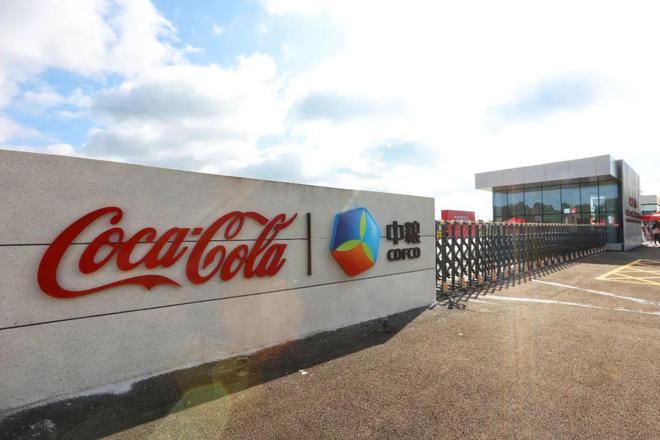
Real shot of the gate of COFCO Coca-Cola Beverages (Beijing) Co., Ltd.
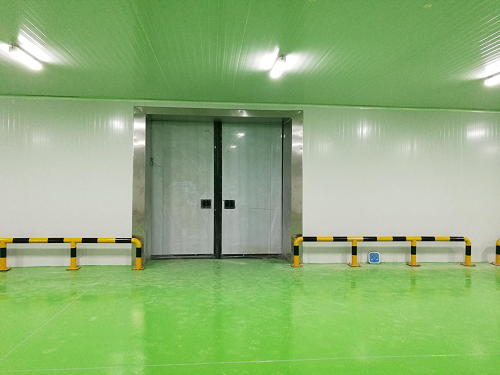
Coca-Cola cold storage entrance
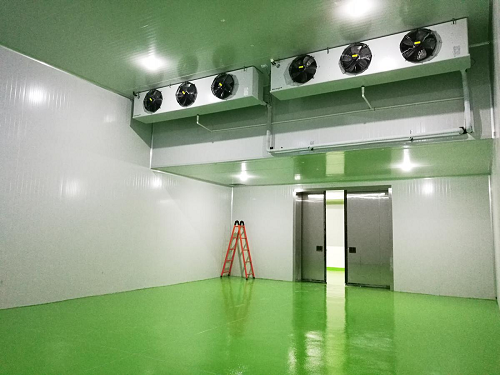
Real scene inside Coca-Cola cold storage
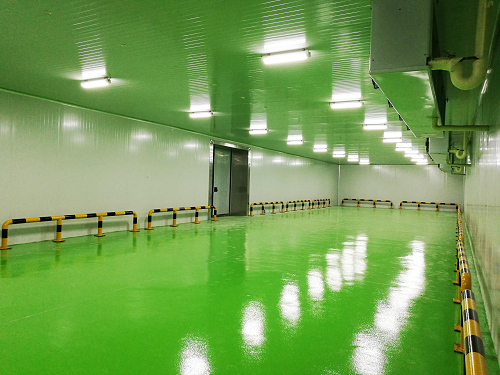
Real scene inside Coca-Cola cold storage
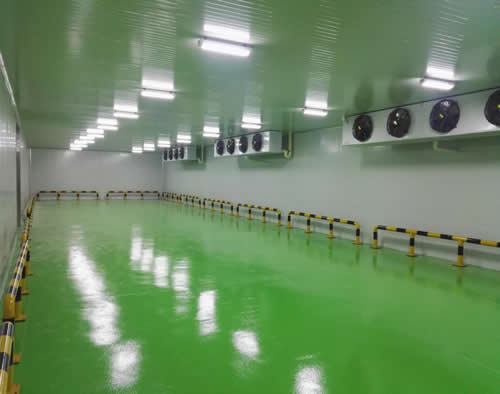
Real scene inside Coca-Cola cold storage