 Haocool

Project Date: August 2025
Client: China Resources Sanjiu
Service Delivered: Existing‑warehouse gap‑analysis, enclosure upgrade, refrigeration‑dehumidification installation, GSP zoning, full DQ/IQ/OQ/PQ qualification & commissioning
This real‑world retrofit project illustrates how to transform an unregulated legacy production warehouse into an audit‑ready herbal‑material cool storage facility. Located in Chongqing’s subtropical basin, the site suffers extended plum‑rain seasons, with ambient relative humidity consistently hitting 78‑88 %.
High basin humidity creates unique risks for botanical stock: wall seepage, mildew growth, and degradation of active herbal ingredients. Our customer needed to repurpose their existing 330 m² building shell, avoiding the higher expense and longer timeline of ground‑up new construction. The finished space stores temperature‑sensitive herbal raw materials, plant extracts, and formula‑granule intermediates for pharmaceutical production.
Core Project Metrics
- Total retrofitted cold‑storage volume: 1,150 m³, built inside the original warehouse envelope
- Practical usable herbal storage capacity: ~161 tons (calculated with boxed‑botanical stacking density, pharmaceutical‑warehouse volume‑utilisation factor)
- Operating set‑points for herbal cool zone: 10‑20 °C (maximum limit ≤20 °C), RH 35‑75 °C, allowable temperature drift ≤ ±2 °C
- Total project turnaround: 38 working‑days, including full four‑stage equipment qualification and 72‑hour temperature‑mapping test
- Deliverables: NMPA‑audit‑ready documentation complying with national GSP and GMP herbal‑medicine requirements
Pre‑Retrofit Site & Regulatory Pain Points
Our engineering team completed a full on‑site gap‑assessment before drawing final retrofit layouts. Five critical risks threatened the client’s raw‑material stock and regulatory compliance:
- Uncontrolled ambient warehouse conditions causing high mildew losses
The original building had no stable temperature or humidity regulation. During wet plum‑rain months, herbal‑raw‑material mildew scrap rate reached 10.7 %. The facility faced real risk of regulatory rectification notices. - Single refrigeration unit with zero standby redundancy
Only one cooling unit was available in the old setup. Any unexpected compressor fault would risk deactivating large batches of high‑value botanical feedstock. - Manual editable temperature logs that fail pharmaceutical audits
Hand‑written or easily‑modified digital records could not satisfy mandatory GSP traceability requirements for herbal‑material storage. - Inherent building moisture‑seepage vulnerabilities
Legacy roof and wall points leaked humidity inward. Without vapour‑barrier rework, condensation would repeatedly damage stored herbal batches. - No physical segregation for different quality‑status goods
There were no hard‑wall separations for pending‑inspection, qualified, and expired / defective herbal lots, creating major cross‑contamination hazards during routine material handling.
Local‑site constraint note: Retrofit inside an existing building shell imposes hard physical limits. Every upgrade solution had to fit within original roof height, column positions, and existing wall openings.
Custom‑Built Retrofit Engineering Solutions
We structured our solution to resolve both physical building defects and GSP regulatory gaps while working within the boundaries of the inherited warehouse structure.
1. Envelope Upgrade Optimised For Chongqing Basin High‑Humidity Conditions
Retrofit vapour‑barrier work is far more complex inside an old warehouse compared with new‑build projects. We repaired pre‑existing roof leak points prior to installing cold‑room panels.
| Storage Zone | Panel Specification | Retrofit‑Specific Optimisations For Old Building |
|---|---|---|
| 10‑20 °C Herbal cool‑storage zone | 100 mm B1 low‑smoke zero‑halogen PUR panels | Double‑layer HDPE warm‑side vapour‑barrier applied to walls + ceiling; all panel joints filled with mildew‑resistant low‑temperature sealant; 50 mm seamless 304 stainless‑steel curved inner wall for repeated sanitisation cycles |
Additional retrofit measures:
- Nylon cold‑bridge isolation gaskets fitted for every hanging bracket to stop wall sweating via metal thermal conduction
- Heating air curtains fitted for each loading vestibule to block inflow of hot‑humid basin‑season outdoor air
- Original window openings modified with combined insect‑proof, mildew‑proof and light‑shielding treatments, required to prevent herbal‑ingredient photo‑oxidation.
2. N+1 Redundant Refrigeration, Dehumidification & Power‑Safety Setup
Because this facility falls under pharmaceutical GSP oversight, single‑unit operation is not acceptable. We implemented one‑main one‑standby automatic‑switch scroll‑compressor condensing‑rack.
- Emerson Copeland scroll compressors paired with Kaidi DL‑series low‑speed evaporators
- Independent rotary dehumidifier hardware interlocked with control logic, locking RH within the mandatory 35‑75 % herbal‑storage band
- Hot‑gas defrost cycles, eliminating sharp local temperature spikes that degrade botanical‑raw‑material quality
- Dual municipal power supply plus dedicated 72‑hour UPS hardware exclusively for monitoring and alarm systems, to preserve traceability data during grid blackouts.
3. GSP‑Compliant Solid‑Wall Colour‑Coded Zoning (Fabric Curtains Prohibited For Pharmaceutical Audit)
All partition walls were newly erected inside the original warehouse shell. Fabric curtain dividers are not accepted for pharmaceutical herbal‑material audits. Three physically‑isolated functional zones were implemented:
- Yellow‑coded zone: Pending‑inspection herbal‑raw‑material buffer area
- Green‑coded zone: Main storage for fully‑qualified botanical batches
- Red‑coded zone: Secure isolation compartment for defective or expired herbal lots
Enforced operational rules:
– Pallet stacking must maintain ≥10 cm off‑floor clearance and ≥30 cm distance from interior walls
– UV sanitising lamps plus full insect‑repellent and light‑shielding infrastructure
– Strict unidirectional personnel‑and‑cargo workflow, to eliminate cross‑contamination risk between different quality‑grade herbal stock.
4. 5‑Year Immutable GSP Monitoring & Complete Qualification Documentation
Regulators demand long‑term, non‑editable traceability for herbal‑material cold‑storage.
- High‑precision PT100 sensors deployed every 100 m² inside the retrofitted space; automatic readings logged every 30 minutes; temperature fluctuation held ≤ ±2 °C
- Encrypted cloud storage enforcing minimum five‑year non‑deletable record retention for NMPA audit submission
- Four‑tier alarm notification system: local sound‑light alert, SMS push, PC backend warning and mobile‑APP remote alert for out‑of‑range humidity‑temperature events or power loss
- Complete hand‑over package: full DQ / IQ / OQ / PQ four‑stage qualification documents plus 72‑hour multi‑point temperature‑mapping acceptance report for the herbal warehouse.
Renovation‑Site & Finished Pharmaceutical Cold‑Storage Photographs
These are original on‑site photographs captured throughout this Chongqing warehouse‑conversion project, showing panel assembly, electrical cabinet wiring, refrigerant‑charging work and the final GSP‑compliant interior.
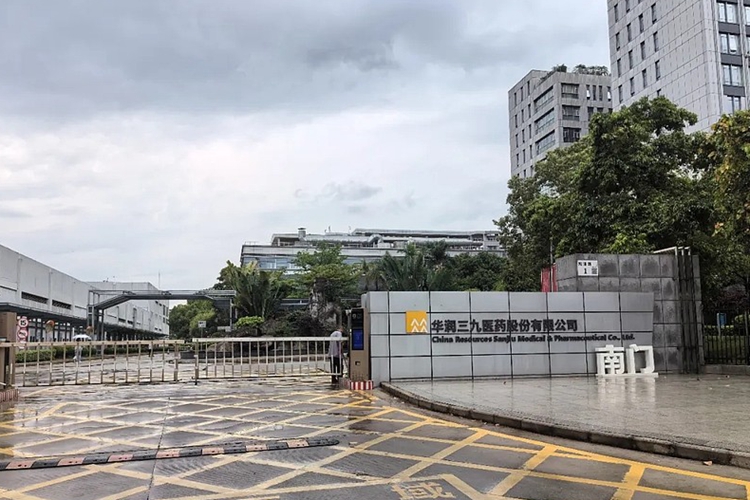
View of the CR Sanjiu Chongqing Pharmaceutical Factory
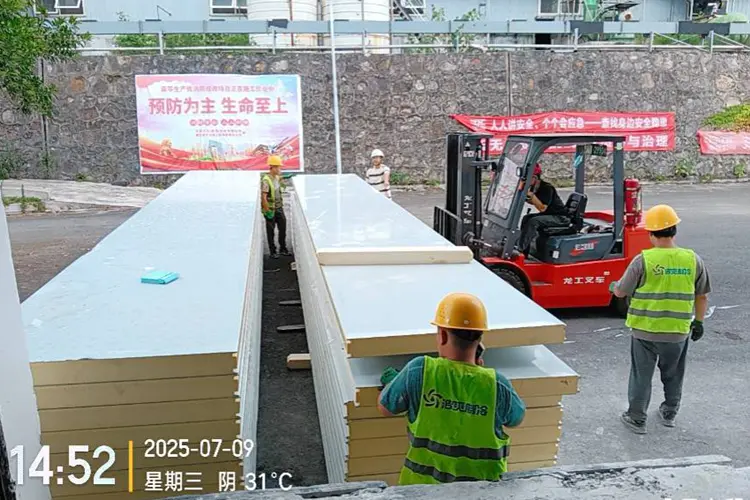
Workers handling cold‑storage insulation panels during CR Sanjiu warehouse retrofit
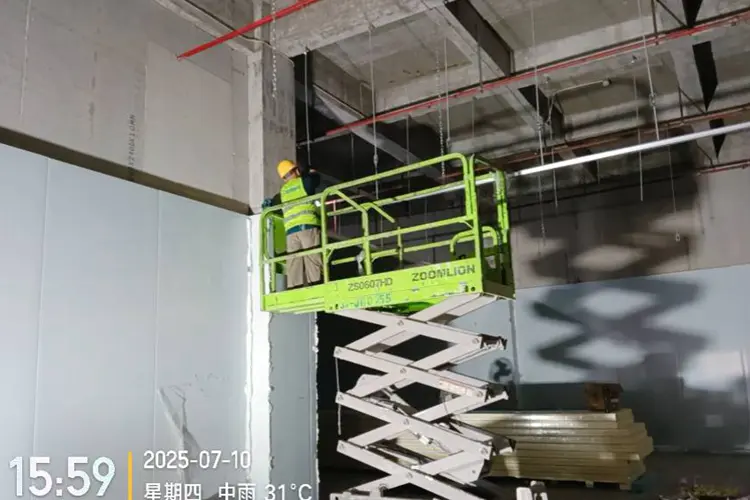
On‑site installation of cold‑room panels inside legacy Chongqing production warehouse
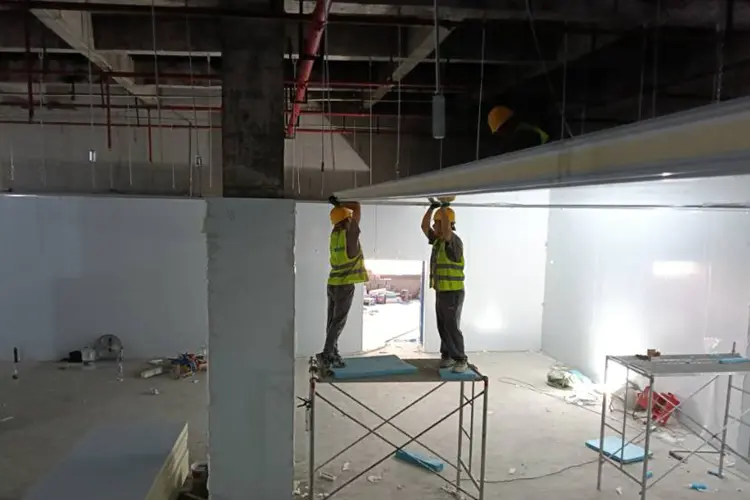
On‑site installation of cold‑room panels inside legacy Chongqing production warehouse
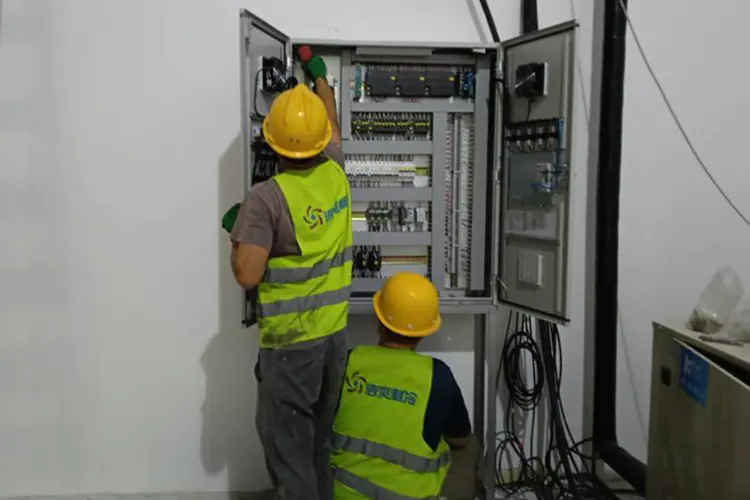
Control‑and‑distribution cabinet wiring for GSP herbal‑material monitoring system
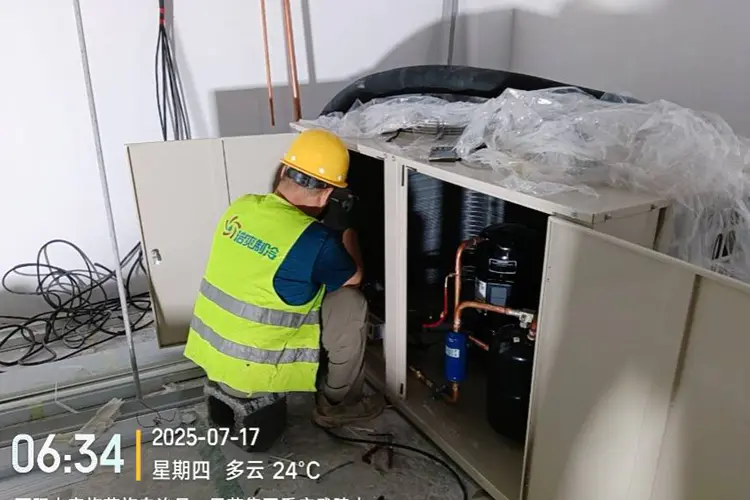
Refrigerant vacuum‑pumping and charging work during commissioning phase
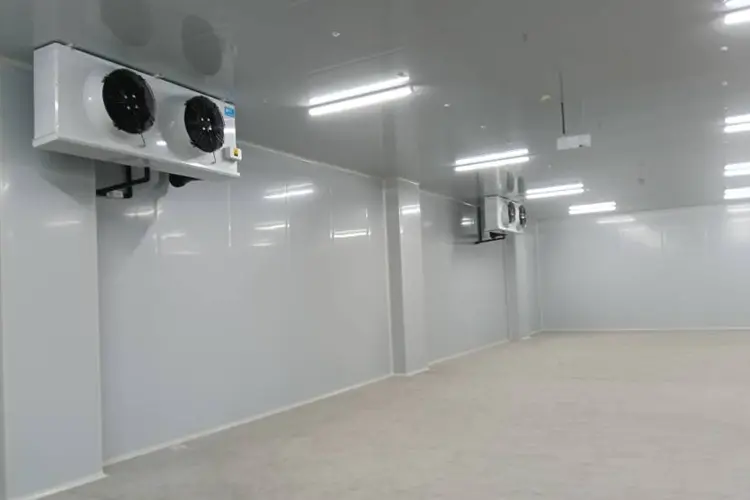
Completed interior view of GSP‑compliant herbal raw‑material cool‑storage after retrofit
Measurable 12‑Month Post‑Retrofit Operational Outcomes
After full commissioning, the converted warehouse delivered verifiable regulatory and operational improvements:
✅ Successfully passed local NMPA‑GSP inspection on first submission without corrective rectification items
✅ Double‑layer vapour‑barrier retrofit eliminated interior condensation; herbal‑raw‑material mildew scrap rate dropped from 10.7 % down below 1.4 %
✅ N+1 standby refrigeration architecture removes risk of large‑batch botanical‑ingredient deactivation caused by summer equipment breakdown
✅ Inverter‑optimised refrigeration hardware reduced annual facility‑wide power consumption by 21 %
✅ Eliminates recurring expense for third‑party pharmaceutical‑grade outsourced warehousing. Calculated investment payback period stands around 21 months.
Practical Retrofit Lessons: Converting Old Warehouses Into GSP Herbal‑Material Storage
Based on hands‑on delivery of this Chongqing basin retrofit, these are common costly mistakes for pharma operators planning warehouse‑conversion projects:
1. Retrofit without independent standby compressor → creates major GSP audit deficiency; high risk of total herbal‑batch loss during unit breakdown
2. Skip double‑layer HDPE vapour‑barrier upgrade in high‑humidity basin climates → wall condensation triggers widespread herbal mildew
3. Rely on fabric curtains instead of solid‑wall physical zoning → direct audit failure for pharmaceutical herbal‑material storage
4. Use editable short‑term temperature‑humidity logs → traceability datasets become invalid for regulatory inspection
5. Omit complete DQ/IQ/OQ/PQ qualification deliverables → cannot finish official GSP filing and acceptance
6. Ignore pre‑treatment of original building roof and wall water‑leak points before panel fitting → hidden recurring condensation risk appears months after hand‑over
7. Skip light‑shielding and insect‑proofing reconstruction → herbal raw‑materials degrade via photo‑oxidation and pest activity.
Simplified ROI reference for existing‑warehouse‑to‑pharma‑cold‑storage investors:
Annual Net Saving = outsourced pharmaceutical‑warehouse rent saving − yearly power & maintenance expense − monetary loss caused by herbal‑raw‑material spoilage
Payback Months = Total retrofit EPC project cost ÷ average monthly net operational saving
FAQ for Pharmaceutical‑Factory Infrastructure Managers Focused On Legacy‑Warehouse Retrofit
Q1: What core GSP specifications apply for herbal‑raw‑material cool‑storage?
A: Operating temperature range 10‑20 °C, RH kept 35‑75 %, minimum five‑year non‑editable traceable environmental logs, plus hard‑wall colour‑coded physical separation for goods of different inspection status.
Q2: Why must old‑warehouse‑to‑pharma‑retrofit projects implement double‑layer HDPE vapour‑barrier in Chongqing basin?
A: Chongqing has long plum‑rain periods with persistently high ambient humidity. Single‑sided vapour‑barrier retrofit will result in interior wall condensation, which causes mildew and active‑ingredient degradation for stored botanical raw‑materials.
Q3: What validation documents are mandatory for a GSP herbal‑material warehouse‑retrofit?
A: Complete four‑stage qualification package: DQ (Design Qualification), IQ (Installation Qualification), OQ (Operational Qualification), PQ (Performance Qualification), paired with full 72‑hour temperature‑mapping test report.
Q4: Is a single refrigeration compressor acceptable for GSP‑governed herbal‑raw‑material cool‑storage?
A: Not acceptable under GSP requirements. One‑main‑one‑standby redundant refrigeration configuration is required, to prevent high‑value herbal‑batch quality accidents caused by single‑unit failure.
Request Your Existing‑Warehouse‑Retrofit Proposal For Herbal Or Pharmaceutical Stock
If you plan to convert an existing building shell into GMP‑GSP compliant storage, share original building dimensions, categories of herbal / pharmaceutical goods you will store, plus target regulatory‑audit requirements. Our engineering team can deliver gap‑analysis layout concept and itemised USD‑denominated quotation.