 Haocool

Project Date: November 2025
Client: Regional agricultural & herbal industrial operator in Meishan, Sichuan
Service Delivered: Multi‑building layout planning, high‑humidity adapted envelope upgrade, hybrid CO₂‑screw refrigeration deployment, independent herbal GSP zoning, centralized monitoring system, full‑site installation and final commissioning
This large‑scale integrated cold‑chain logistics park spans three separate buildings in Meishan, a key producing base for fresh fruits and Chinese medicinal botanicals in Sichuan Basin. The local subtropical climate brings extended plum‑rain seasons, with year‑round relative humidity ranging from 78 %‑85 %, plus summer peak ambient temperature exceeding 35 °C.
Without purpose‑built moisture‑proof construction, operators face well‑documented risks: interior wall condensation, fruit mould growth, herbal oil exudation, and pest infestation. This park was engineered to handle mixed inventory: fresh agricultural commodities, frozen meat products, sorting & cross‑docking workflows, alongside strictly regulated constant‑humidity herbal raw‑material storage. The whole complex satisfies both food‑sector HACCP requirements and GSP audit standards for botanical medicinal stock.
Core Project Metrics
- Total nominal cold‑chain park volume: 35,000 m³, distributed across three purpose‑built buildings
- Building 4 (Dual‑story fresh‑food facility): 0‑10 °C chilled storage, 14.15 m ceiling height
- Building 5 (Two‑story logistics hub): Multi‑temperature sorting and transit buffer zones
- Building 6 (Dedicated herbal warehouse): 2‑20 °C constant‑humidity botanical‑material repository
- Usable storage tonnage: Base calculation delivers 6048 tons; capacity expands up to 8000 tons when deploying multi‑tier high‑rack pallet storage
- Total project execution & commissioning timeline: 6 calendar months
- Compliance scope: GB50072 cold‑storage standard, HACCP food hygiene, SB/T 11095 herbal‑warehouse specification and GSP herbal‑material audit requirements
Pre‑Project Operational & Compliance Pain‑Points
Our senior cold‑chain engineering team performed comprehensive on‑site gap‑analysis before drafting park‑wide layouts. Five major operational risks constrained the client’s original scattered cold‑warehouse setup:
- Cross‑contamination & herbal quality loss from mixed commodity storage
Old fragmented cold rooms lacked physically isolated zones for herbal goods. Storing botanicals alongside fruit stocks caused odour absorption and herbal oil exudation. Annual material scrap rate hit 11.5 % during wet plum‑rain months. - Severe condensation risk from basic single‑layer insulation
Absence of full warm‑side vapour‑barrier systems triggered persistent wall sweating. Fruit batches frequently suffered mould‑related spoilage in high‑humidity seasons. - No redundant refrigeration hardware for summer heat‑waves
Each chamber ran only a single compressor unit. Summer high‑temperature overload shutdown created real‑world risk of large‑batch commodity write‑offs. - Manual editable environmental records fail regulatory inspections
Paper‑based or alterable digital logs could not satisfy annual food‑industry and herbal‑medicine supervisory audits. - Missing dedicated dehumidification hardware for herbal zones
Herbal raw‑materials demand narrow relative‑humidity bandwidth. Uncontrolled high‑humidity conditions fostered pest breeding and accelerated degradation of active medicinal ingredients.
Local‑site constraint note: Meishan’s hot‑wet summer environment imposes special demands on refrigeration hardware. Conventional single‑stage systems suffer heavy efficiency drop once ambient climbs above 35 °C.
Custom‑Designed Park‑Wide Engineering Solutions
The solution separates food logistics and herbal storage physically across different buildings, combining specialised envelope treatments, hybrid refrigeration hardware, GSP‑compliant zoning and unified centralized monitoring.
1. Plum‑Rain‑Optimised Double‑Layer Vapour‑Barrier Envelope System
All cold‑room envelopes follow GB50072 requirements for subtropical high‑humidity operating environments.
| Zone Category | PU Panel Specification | Humidity‑Driven Optimisation |
|---|---|---|
| 0‑10 °C Fresh‑produce chilled zones | 100 mm B1 flame‑retardant PUR panels | Full double‑layer HDPE warm‑side vapour barrier; mildew‑resistant low‑temperature sealant applied on all panel joints |
| ‑18 °C Frozen‑meat storage zones | 150 mm B1 high‑density PUR panels | Thickened anti‑freeze XPS floor insulation with engineered drainage slope for condensate runoff |
| Constant‑humidity herbal repository | 100 mm B1 anti‑mildew PUR panels | Independent airtight wall assemblies; light‑shield ceiling construction preventing herbal photo‑oxidation |
Universal construction measures:
– Nylon thermal‑break gaskets fitted on all suspension brackets and pipe penetration openings to eliminate cold‑bridge‑triggered ceiling sweating
– Heating air curtains installed for every loading vestibule, blocking ingress of hot‑humid outside air during frequent truck‑loading cycles.
2. Hybrid CO₂ Transcritical + Screw Compressor Refrigeration Architecture (Optimised For >35 °C Summer Ambient)
Different building functions call for differentiated refrigeration hardware selections to balance energy‑saving and reliability under Meishan hot‑summer conditions.
- Fresh‑produce & sorting building: CO₂ booster transcritical units paired with evaporative‑cooling condensers. This configuration mitigates efficiency loss under extreme high ambient temperature; low‑speed air coolers minimise fruit surface moisture loss.
- Frozen‑meat zone: Bitzer parallel screw compressor racks, adopting one‑main‑one‑standby redundant setup per independent chamber.
- Herbal constant‑humidity warehouse: Dedicated small screw‑compressor units interlocked with rotary industrial dehumidifiers to stabilise RH set‑points.
Park‑wide power‑safety baseline: Dual independent municipal power supply plus 72‑hour UPS backup exclusively for temperature‑humidity monitoring and alarm hardware, guaranteeing uninterrupted traceability data during grid blackouts.
3. GSP‑Aligned Independent Constant‑Humidity Herbal‑Material Control
Botanical raw‑materials demand split temperature bands alongside strict relative‑humidity limits RH 35‑75 %.
– Cold herbal repository: 2‑8 °C, for ginseng, cordyceps and other easily‑degraded medicinal botanicals
– Shaded herbal storage area: ≤20 °C, for bulk‑stock licorice, astragalus and similar herb materials
Multi‑point RH sensors trigger automatic startup/shutdown of large‑capacity dehumidification equipment when humidity exceeds upper thresholds. Full light‑shield wall‑and‑ceiling treatments prevent photo‑oxidative degradation; low‑velocity air circulation avoids surface‑drying of herbal batches.
4. HACCP Food‑Safety & Herbal‑Isolation Site‑Wide Layout
Three buildings maintain strict physical separation to eliminate cross‑contamination and odour‑transfer risks. No shared cold‑door openings or recirculated air channels exist between food‑handling zones and herbal‑material storage.
- Building 4 Fresh‑food zone: Workflow: fresh‑fruit receiving → pre‑cooling buffer → finished‑goods outbound, with dedicated personnel‑cargo passages isolated from herbal operations
- Building 5 Logistics‑transit hub: Multi‑temperature sorting vestibule with solid physical partition preventing cross‑odour mixing during cross‑dock operations
- Building 6 Dedicated herbal warehouse: Fully independent access routes, plus segregated isolation compartments for defective / expired herbal batches for GSP audit compliance
Mandatory one‑way personnel‑and‑goods workflow across the whole park.
5. Centralised Intelligent Monitoring & Audit‑Ready Platform
Unified Siemens‑PLC‑driven control system covers the entire multi‑building cold‑chain park.
– PT100 high‑precision temperature‑humidity multi‑point sensors deployed; fluctuation tolerance ≤±0.8 °C for food zones, tighter ≤±0.5 °C for herbal‑material storage
– Minimum five‑year non‑editable encrypted cloud‑based data retention; one‑click report export function for HACCP and GSP regulatory audits
– Multi‑tier alarm notification chain: on‑site sound‑light alert plus mobile‑SMS remote push for out‑of‑range temperature, humidity and equipment‑fault events.
Multi‑Building Cold‑Chain Park On‑Site & Completed Facility Photographs
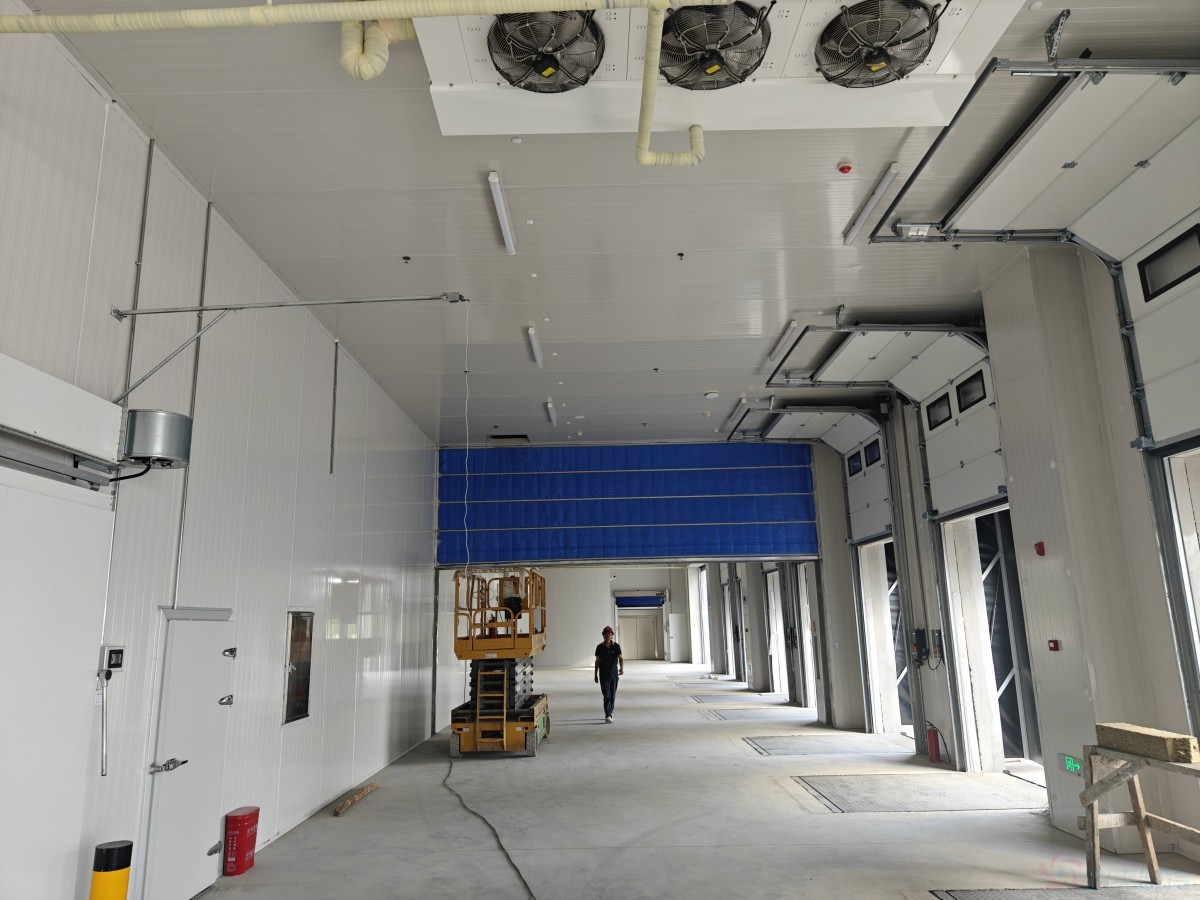
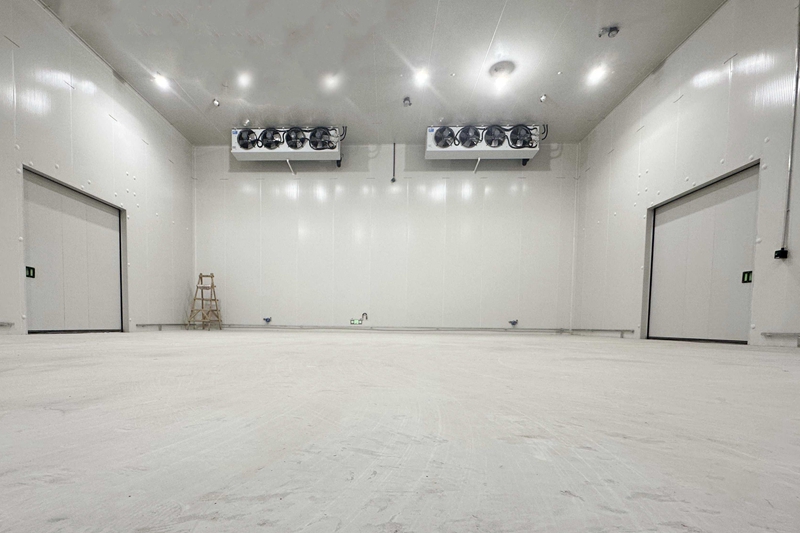
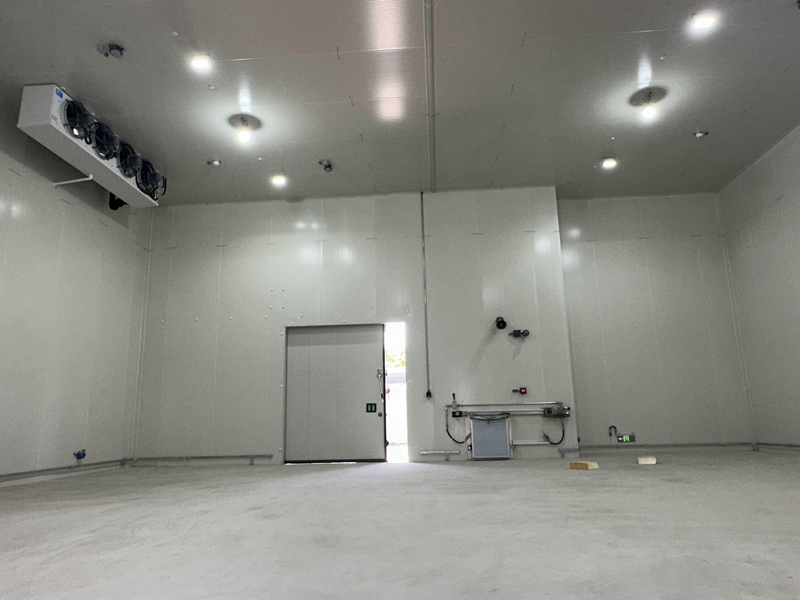
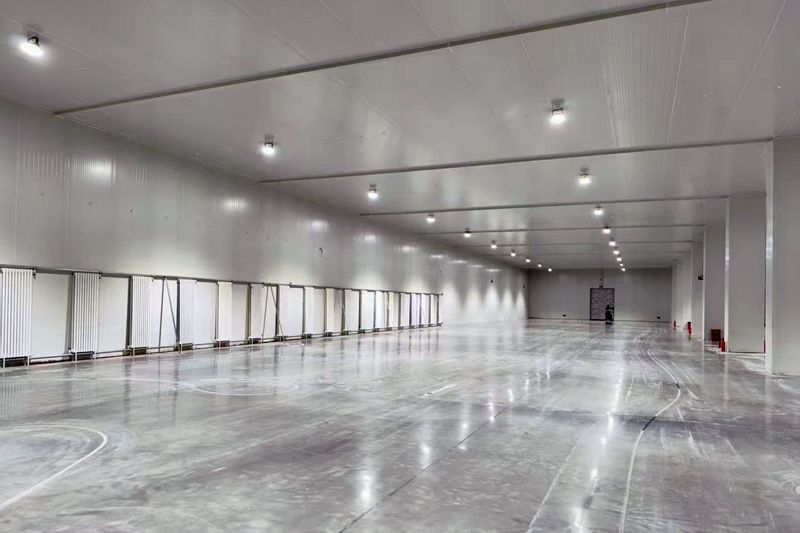
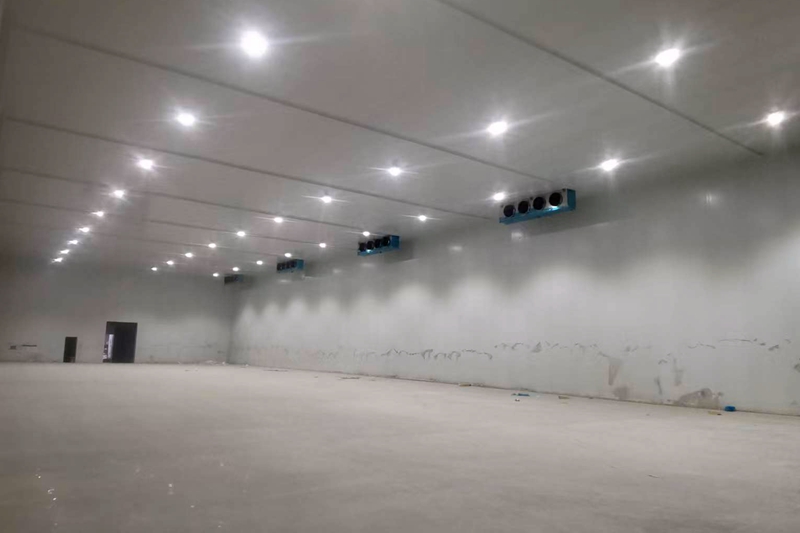
These original site photographs capture interior finished spaces of fresh‑produce chambers, large logistics cold halls and multi‑zone cold‑storage compartments built within this Meishan agricultural‑herbal logistics‑park project.
Spacious finished interior view of multi‑temp fresh‑produce cold‑storage chamber inside Meishan logistics park
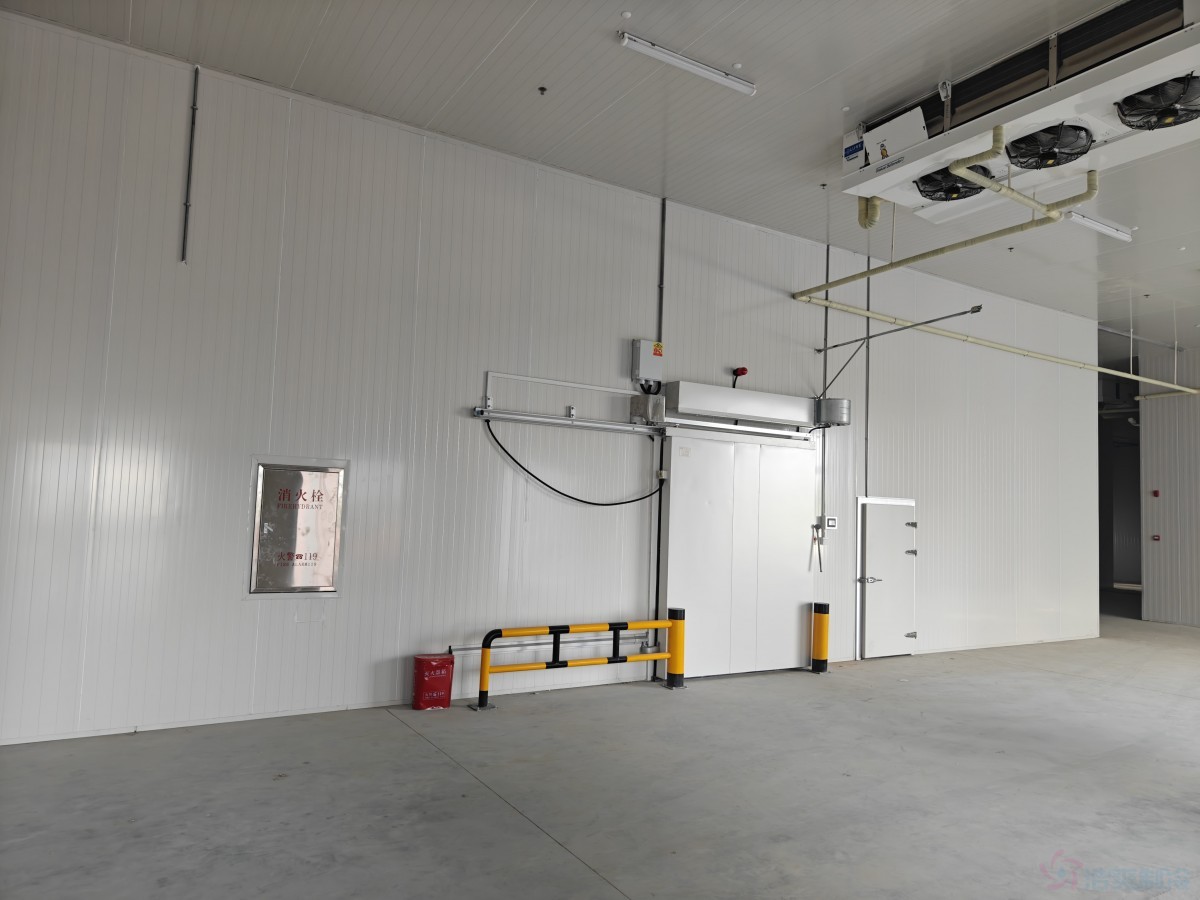
Spacious finished interior view of multi‑temp fresh‑produce cold‑storage chamber inside Meishan logistics park
Long‑span cold‑storage logistics hall with ceiling evaporator array for bulk agricultural commodity stock
Long‑span cold‑storage logistics hall with ceiling evaporator array for bulk agricultural commodity stock
Wide‑angle shot of completed multi‑bay cold‑storage facility prepared for rack installation and goods receiving
Wide‑angle shot of completed multi‑bay cold‑storage facility prepared for rack installation and goods receiving
Measurable 12‑Month Full‑Park Operational Outcomes
After complete commissioning, the integrated cold‑chain park delivered measurable commercial and compliance improvements for the operator:
✅ Physically‑isolated herbal repository plus full vapour‑barrier build eliminated wall condensation and cross‑odour pollution; herbal‑material scrap rate dropped from original 11.5 % down below 1.3 %
✅ CO₂ transcritical evaporative‑cooling refrigeration setup reduced annual park‑wide refrigeration power consumption by 30 %, compared against conventional single‑stage refrigeration hardware
✅ Fully‑separated food‑and‑herbal layout passed both food‑HACCP and herbal‑GSP supervisory audits on first submission without rectification items
✅ Purpose‑built dehumidification infrastructure for herbal zones suppressed pest reproduction and extended usable botanical‑material storage cycle by four months
✅ Integrated multi‑temperature park‑wide layout lifted annual goods‑turnover operational efficiency by 40 %.
Practical Lessons For Building Mixed‑Use Agri‑Herbal Cold‑Chain Parks In High‑Humidity Basins
Based on hands‑on delivery of this Meishan multi‑building logistics‑park, these are costly common pitfalls for investors combining fruit, meat and herbal‑material storage:
1. Omit double‑layer HDPE vapour‑barrier construction for plum‑rain‑climate locations → persistent wall condensation triggers widespread fruit and herbal mildew
2. Permit shared air‑circulation circuits between fruit zones and herbal‑material zones → irreversible cross‑odour contamination leading to regulatory‑audit failure
3. Skip independent dedicated dehumidifier hardware for herbal repositories → high‑humidity environment causes pest breeding plus herbal oil exudation and medicinal‑ingredient degradation
4. Deploy refrigeration systems without standby redundant compressors → summer heat‑wave overload failure creates risk of mass‑commodity loss
5. Retain editable short‑term temperature‑humidity log systems → dataset becomes invalid for food‑safety and herbal‑medicine regulatory inspections
6. Neglect light‑shielding construction for herbal‑storage areas → medicinal raw‑materials degrade via photo‑oxidation
7. Install high‑velocity air coolers across all zones → excessive airflow causes fruit shrinkage and herbal surface drying‑weight‑loss.
FAQ For Agricultural Industrial‑Park Infrastructure Managers Operating In Humid Subtropical Regions
Q1: What special moisture‑proof construction applies to cold‑chain parks built within Sichuan plum‑rain climate?
A: Walls and ceilings require complete double‑layer HDPE warm‑side vapour‑barrier build. Heating air curtains must be fitted on every loading vestibule. Herbal‑material storage zones need dedicated independent rotary dehumidification hardware.
Q2: What are GSP‑mandatory humidity specifications for Chinese herbal‑material cold‑storage?
A: Maintain stable RH 35‑75 % complying with SB/T 11095 and GSP requirements. Zones are further split: 2‑8 °C cold herbal repository and ≤20 °C shaded herbal‑material storage according to herb varieties.
Q3: Why must herbal‑material warehouses be physically fully separated from fruit cold‑storage areas?
A: Fresh fruits release volatile ester compounds and ethylene gas. Herbal botanicals readily absorb these airborne volatiles, altering native medicinal odour properties and resulting in audit non‑compliance.
Q4: What performance benefits does CO₂ transcritical refrigeration bring under 35 °C hot‑summer ambient conditions?
A: When paired with evaporative‑cooling condensers, CO₂ transcritical units retain high‑energy‑efficiency even under extreme summer ambient temperature, avoiding heavy COP drop‑off suffered by conventional refrigeration setups.
Request Custom Multi‑Zone Agri‑Herbal Cold‑Chain Logistics‑Park Proposal
If you plan a mixed‑commodity cold‑storage complex for agricultural produce, frozen goods and herbal‑material stock, please share total target volume, approximate proportion of each commodity category and site‑specific maximum summer ambient temperature. Our engineering team can deliver moisture‑adapted layout concept and itemised USD‑denominated quotation.