 Haocool

Project Date: August 2025
Client: Shanghai Juang Investment (Angel Orange)
Service Delivered: Full EPC design, supply, installation, commissioning and acceptance testing
This real‑world commercial cold‑storage case focuses on large‑volume sweet orange preservation in Shanghai’s challenging subtropical monsoon climate. The region suffers from prolonged plum‑rain periods with relative humidity consistently hitting 78‑88% throughout many months of the year. For citrus wholesalers, high ambient humidity creates well‑known risks: wall condensation, carton dampness, peel browning and costly fruit spoilage.
Our customer came to us after years of pain using shared third‑party cold‑storage facilities. They needed a dedicated, multi‑chamber warehouse to hold bulk harvested oranges for off‑season wholesale and inter‑regional distribution.
Core Project Metrics
- Total cold‑storage volume: 10,000 m³, split into three independent solid‑wall cold rooms
- Practical usable citrus storage capacity: ~1012 tons (calculated with real‑world carton‑packed orange stacking density, volume‑utilisation and ventilation correction factors)
- Operating condition for orange chambers: 3‑6 °C, RH 85‑90%, allowable temperature fluctuation ≤ ±0.8 °C
- Total project execution timeline: 42 calendar days, including mandatory 72‑hour full‑load temperature‑uniformity acceptance test
- Compliance target: HACCP fresh‑food operational standards
Real‑World Business & Engineering Challenges Before Build
Before construction started, our engineering team completed an on‑site survey and documented five pressing operational bottlenecks the client was facing:
- High spoilage from shared public cold rooms
Outsourced mixed‑commodity storage could not maintain citrus‑specific humidity levels. Their average post‑harvest spoilage reached 12.4 % every year during wet plum‑rain months. - Zero backup refrigeration capacity
No standby compressors in their previous setup. Summer heat‑waves created a constant threat of total batch loss if a main unit failed. - Missing pre‑cooling workflow
Fresh‑picked oranges carrying heavy field heat went straight into storage. This drastically shortened the marketable shelf‑life of fruit batches. - Audit‑unfit manual temperature logging
Large supermarket retail partners required immutable traceable records. Hand‑written logs could not pass supplier compliance audits. - Condensation risk from basic insulation
Ordinary single‑layer cold‑room panels could not resist Shanghai’s humid ambient air. Wall sweating soaked shipping cartons inside existing rental facilities.
Key local constraint: In subtropical plum‑rain zones, vapour‑barrier design is not optional for fruit cold storage. Poor moisture handling ruins citrus stock even if temperature readings appear correct.
Custom‑Built Engineering Solutions
We split our solution into four core workstreams, each directly responding to one or more client pain‑points.
1. Anti‑Condensation Envelope Optimised for Plum‑Rain Climate
Standard single‑sided vapour barriers frequently fail in Shanghai’s humid environment. We implemented double‑sided HDPE warm‑side vapour‑barrier treatment for all wall and ceiling surfaces.
| Chamber | Panel Specification | Localised Humidity‑Focussed Measures |
|---|---|---|
| 3‑6 °C Orange preservation rooms | 100 mm B1 low‑smoke zero‑halogen double‑sided colour‑steel PUR panels | Full double‑layer HDPE vapour barrier; all panel joints filled with mildew‑resistant low‑temperature sealant; nylon cold‑bridge gaskets fitted for every hanging bracket |
Additional site‑specific construction steps:
– Heating air curtains fitted for every loading vestibule to block inflow of hot‑humid outside air during door openings
– Floors built with deliberate drainage slope to safely channel away condensed water
2. Redundant Refrigeration & Power Safety Setup
Each of the three cold chambers runs its own independent refrigeration circuit. We adopted a one‑main one‑standby Bitzer semi‑hermetic piston parallel rack with automatic fault‑switch logic.
- LU‑VE low‑speed EC evaporators limit airflow velocity ≤0.6 m/s, which minimises orange peel dehydration and weight loss
- Hot‑gas circulation defrost avoids dangerous local temperature spikes during defrost cycles
- Dual municipal power input plus dedicated 72‑hour UPS hardware protects monitoring and alarm systems during grid failures
- Mixed manual‑automatic ventilation cycles manage indoor ethylene build‑up to stop premature citrus ripening
3. HACCP‑Compliant Physical Zoning (Fabric Curtains Not Permitted)
We divided every cold chamber into three physically separated solid‑wall functional zones. Fabric curtain dividers would not satisfy food‑safety audit rules.
- Yellow zone: Post‑harvest pre‑cooling buffer area, where fresh‑arrived oranges release field‑heat before entering long‑term storage
- Green zone: Main bulk storage area for qualified market‑ready oranges
- Red zone: Isolation compartment for bruised or mould‑damaged fruit
Strict one‑way people‑and‑cargo flow prevents cross‑contamination. Pallet stacks maintain 20‑30 cm clearance from interior walls to guarantee consistent cold‑air circulation.
4. Immutable 2‑Year Traceable Monitoring & Alert Platform
Supermarket supply‑chain audits demanded long‑term, non‑editable temperature history.
- PT100 high‑precision sensors deployed every 120 m² inside cold rooms, readings logged automatically every 30 minutes
- Minimum two‑year encrypted cloud storage for all sensor datasets
- Four‑tier alarm system: local sound‑light warning, SMS notification, PC backend alert and mobile APP remote push for over‑temperature, high‑humidity and power‑loss incidents
- Final hand‑over includes complete 72‑hour multi‑point temperature‑uniformity acceptance test report
On-site Construction & Finished Warehouse Photographs
Our project gallery captures key stages of panel installation, vapour barrier construction and the finished cold storage interior. All photos are original site shots taken during this Shanghai citrus cold storage build.
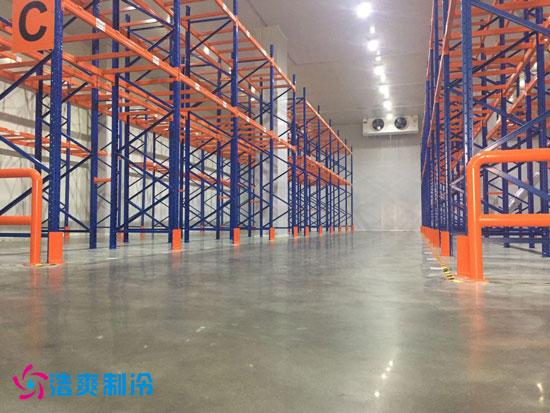
Finished interior view of 10,000 m³ orange cold preservation room in Shanghai
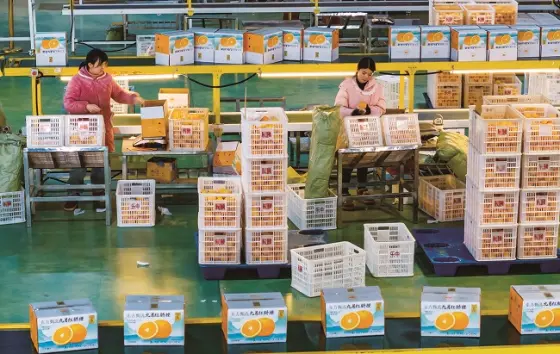
Shanghai citrus cold storage facility put into operation
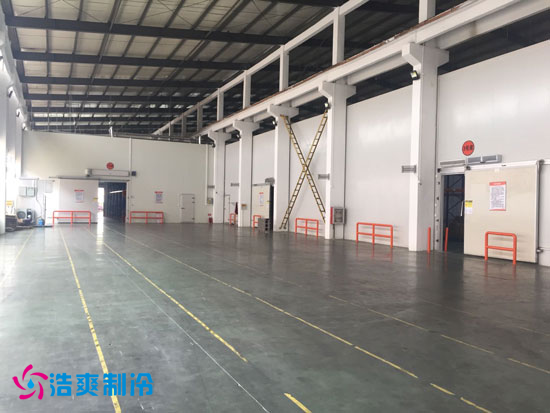
Exterior view of a citrus cold storage facility in Shanghai.
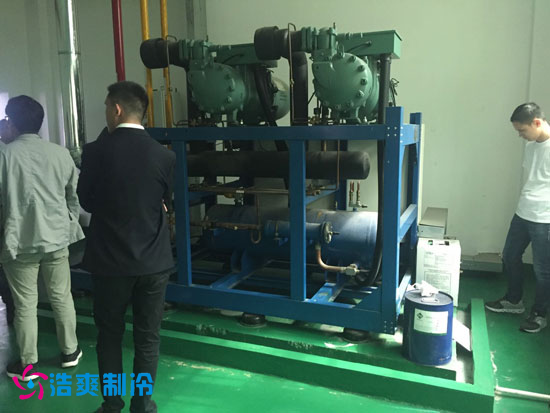
On-site view of Bitzer refrigeration compressor units for a citrus cold storage facility in Shanghai.
Measurable Operational Outcomes After 12‑Months In Operation
Once fully commissioned, the cold‑storage facility delivered tangible commercial improvements for the citrus wholesaler:
✅ Passed HACCP fresh‑food supplier audit in one submission without rectification work
✅ Wall‑condensation eliminated by double HDPE vapour‑barrier build; orange spoilage dropped from 12.4 % down to below 2.0 %
✅ N+1 standby compressor setup removes summer batch‑loss risk caused by single‑unit breakdown
✅ Low‑speed evaporator design greatly cuts fruit weight‑loss; supports higher selling prices during off‑season trading
✅ Eliminates expensive third‑party cold‑warehouse rental costs. Calculated full investment payback period stands at approximately 22 months.
Practical Lessons Learned From Shanghai Citrus Cold‑Storage Build
Based on hands‑on project experience in Yangtze‑River‑Delta plum‑rain climate, these are avoidable mistakes many local citrus operators make:
1. Storing oranges below 0 °C → irreversible peel chilling injury, fruit becomes unsaleable
2. Skipping double‑layer HDPE vapour‑barrier for humid coastal locations → carton mildew and widespread fruit decay
3. No standby compressor → high risk of complete write‑offs during summer heat‑wave failures
4. High‑velocity air coolers → excessive peel water‑loss and reduced commodity value
5. Storing damaged fruit mixed in with good stock → cross‑spread of mould contamination
6. Using editable short‑term temperature logs → automatic failure of large‑retailer supplier audits
7. Bypassing dedicated pre‑cooling for freshly harvested citrus → greatly shortened usable storage life
Simplified ROI logic reference for citrus cold‑storage investors:
Annual Net Saving = Off‑season sales price gain + third‑party rent savings − yearly power & maintenance cost − monetary loss from fruit spoilage
Payback Months = Total EPC project cost ÷ average monthly net operating gain
FAQ for Citrus Wholesalers & Fruit Growers
Q1: What is the correct storage temperature range for fresh oranges?
A: 3‑6 °C together with 85‑90 % relative humidity. Temperatures below 0 °C produce permanent peel chilling injury for citrus fruit.
Q2: Why is pre‑cooling critical for freshly harvested oranges?
A: Pre‑cooling removes field heat right after picking, slows fruit respiration and extends total usable cold‑storage shelf‑life.
Q3: What special construction work does plum‑rain‑season cold‑storage demand in Shanghai?
A: Double‑layer HDPE warm‑side vapour‑barrier construction for walls and ceilings prevents interior condensation and carton dampness. Heating air curtains at loading doorways also reduce hot‑humid air inflow.
Q4: How long should cold‑storage temperature records be kept for supermarket supplier audits?
A: Non‑editable temperature history needs to be retained for at least two years for mainstream fresh‑food retail audit requirements.
Request Your Custom Citrus Cold‑Storage Proposal
If you manage citrus or other fresh‑fruit wholesale operations, share your expected annual fruit throughput, target storage duration and local climate conditions. Our engineering team can deliver a HACCP‑aligned layout concept together with itemised USD‑denominated quotation.