 Haocool

Client: Bloomage Biotechnology (Global hyaluronic‑acid biotech enterprise)
Service Delivered: Multi‑temperature pharmaceutical cold‑storage layout, five‑sided insulation envelope, high‑humidity adapted dehumidification system, airflow optimisation, GSP/GMP‑aligned site installation & commissioning
Located in Haikou, Hainan, this large‑scale pharmaceutical cold‑storage facility was purpose‑built for Bloomage Biotechnology. Haikou features typical tropical marine climate: persistently high ambient humidity, year‑round high temperature. Ordinary food‑grade cold‑room design will trigger heavy condensation, which easily degrades active biological raw materials, cosmetic intermediates and pharmaceutical reagents.
The total project volume reaches 32,856 m³. It is constructed to fully comply with GSP and GMP pharmaceutical management specifications, delivering multi‑zone, high‑precision and fully traceable storage environment to secure biological‑product activity across the whole supply‑chain.
Core Project Metrics
- Total cold‑storage volume: 32,856 m³, multiple physically separated functional temperature zones
- Temperature zones:‑30 °C deep‑freeze room / 2‑8 °C pharmaceutical refrigerated room / 10‑15 °C cool‑storage room / 10‑15 °C transition buffer zone / non‑temperature‑controlled ambient storage area
- Compliance: GSP, GMP pharmaceutical quality‑management requirements, adapted for Hainan tropical high‑humidity operating environment
- Core stored goods: deep‑frozen biological raw‑materials, reagents, finished biopharmaceutical & cosmetic‑related products
Pre‑Construction Operational & Compliance Pain Points
Our engineering team completed site assessment before design work and sorted out key risks brought by local tropical climate and pharmaceutical compliance requirements:
- Tropical high‑humidity condensation threat to biological materials
Haikou’s year‑round hot‑humid climate creates huge condensation risk. Condensed water will cause degradation of active biological ingredients and trigger packaging mildew if the envelope and dehumidification system are not properly handled. - Diversified storage requirements for multi‑category biotech goods
Different raw‑materials, reagents and finished products demand completely different temperature conditions. Mixed‑zone storage would compromise product stability and fail pharmaceutical audit checks. - Thermal‑bridge risks for large‑volume cold‑storage building
Large building surfaces bring multiple cold‑bridge points. Un‑optimised structure will cause local sweating and higher running power consumption under big indoor‑outdoor temperature differences. - Strict GSP/GMP traceability & environmental‑control expectations
Biopharma inventory requires stable humidity & temperature; unregulated airflow may generate local temperature gradients, causing inconsistent preservation status among batch products.
Local‑site constraint note: For pharmaceutical cold‑storage built in tropical coastal areas, anti‑condensation and independent dehumidification are not optional add‑ons, they are core design prerequisites for protecting bio‑active substances.
Custom‑Built Tropical‑Climate Pharmaceutical Engineering Solutions
1. Multi‑Independent Temperature‑Zone Layout
Each zone is partitioned for dedicated biotech inventory purposes:
| Functional Zone | Temperature Setting | Main Storage Purpose |
|---|---|---|
| Deep‑Freeze Room | ‑30 °C | Long‑term preservation of deep‑frozen biological raw‑materials and special biotech products |
| Refrigerated Pharmaceutical Room | 2‑8 °C | Standard cold‑chain storage for reagents and biological products |
| Cool‑Storage Room | 10‑15 °C | Finished goods requiring intermediate cool preservation |
| Transition Buffer Zone | 10‑15 °C | Buffer area to reduce sharp temperature shock when goods move in / out |
| Ambient Storage Area | Non‑controlled temp | For non‑temperature‑sensitive auxiliary raw‑materials & packaging supplies |
2. Five‑Sided Anti‑Condensation Insulation Envelope
- Adopted five‑sided integrated insulation construction. Floor uses high‑strength extruded XPS insulation boards with dedicated moisture‑proof treatment.
- Optimised structural details to eliminate thermal‑bridge points, improving interior temperature uniformity and lowering overall energy consumption in tropical conditions.
3. Targeted Dehumidification System For Tropical High‑Humidity Environment
Independent ceiling‑mounted dehumidifier sets together with galvanised air duct networks are installed inside refrigerated and cool‑storage zones.
– Prevents wall & package condensation; avoids excessive dehydration of biological raw‑materials.
– Keeps RH within pharmaceutical‑qualified range, stabilising the activity of temperature‑sensitive biological substances.
4. Optimised Air‑Circulation Organisation
Jet‑type air handling units are deployed for ambient‑storage zones. Realises evenly distributed airflow, eliminates harmful local temperature gradients and maintains homogeneous storage environment for large‑volume stock.
Biopharma Cold‑Storage On‑Site & Finished Facility Photographs
Project site photos record insulation installation, dehumidifier mounting and completed interior condition of this Haikou Bloomage biotech pharmaceutical cold‑storage.
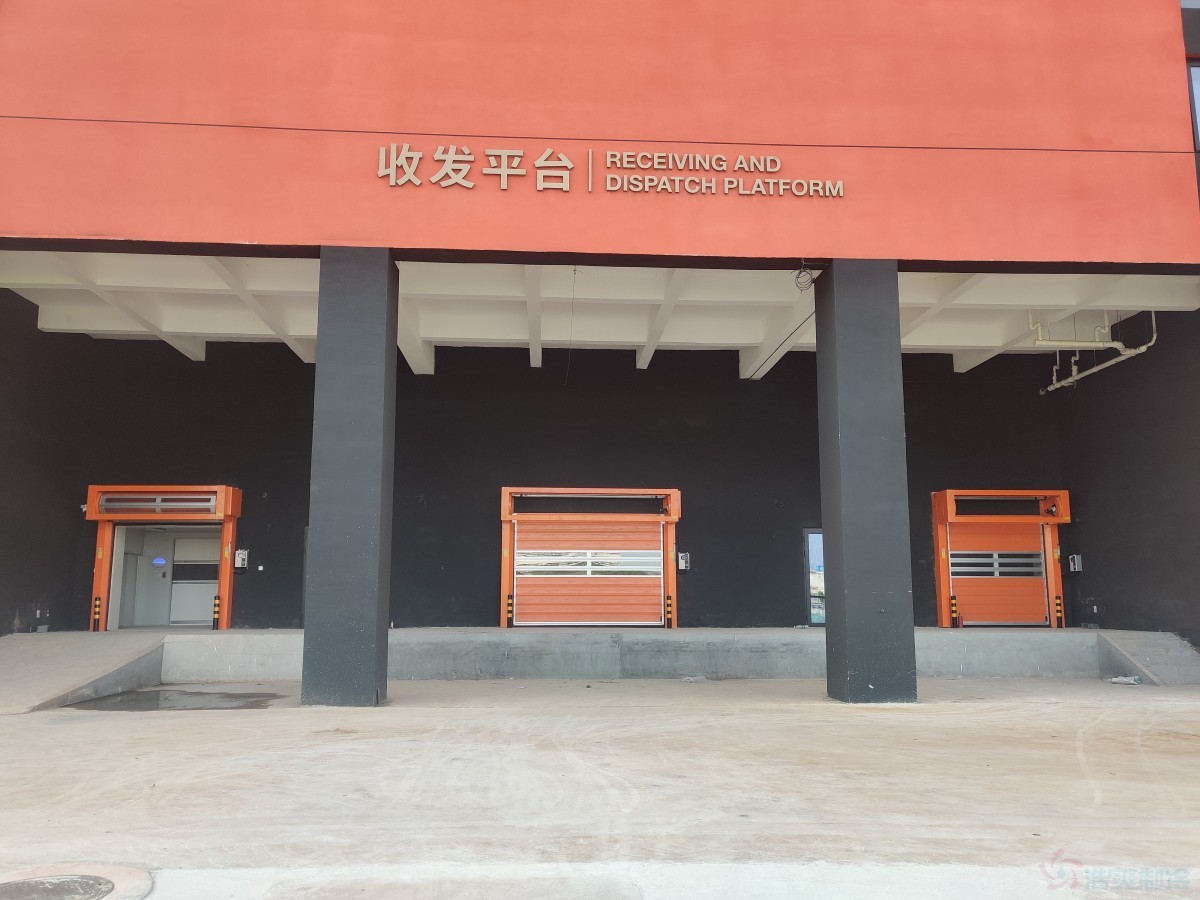
Overview of the Exterior of Bloomage Biotech’s Pharmaceutical Cold Storage Loading and Unloading Platform
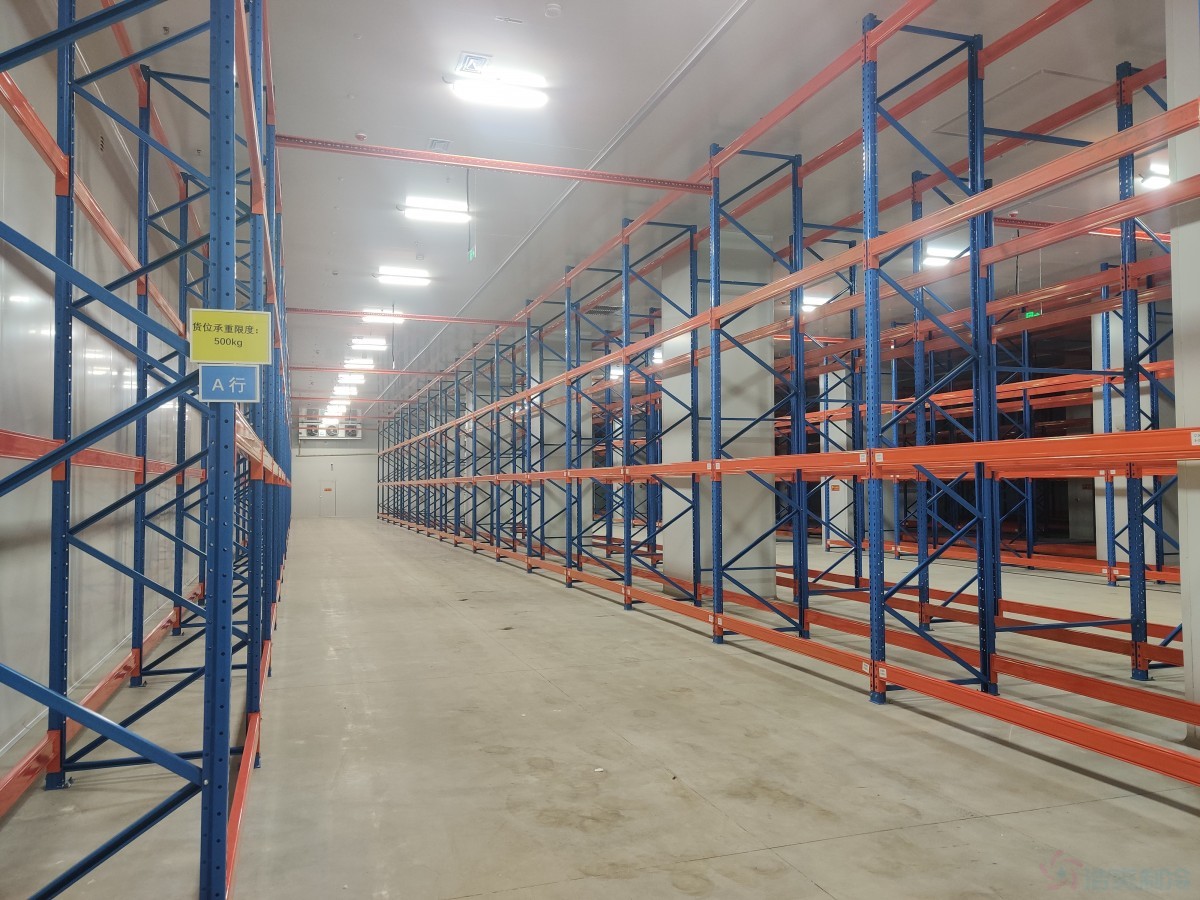
Wide-angle view of the completed interior and shelving of a multi-temperature zone biopharmaceutical cold storage facility.
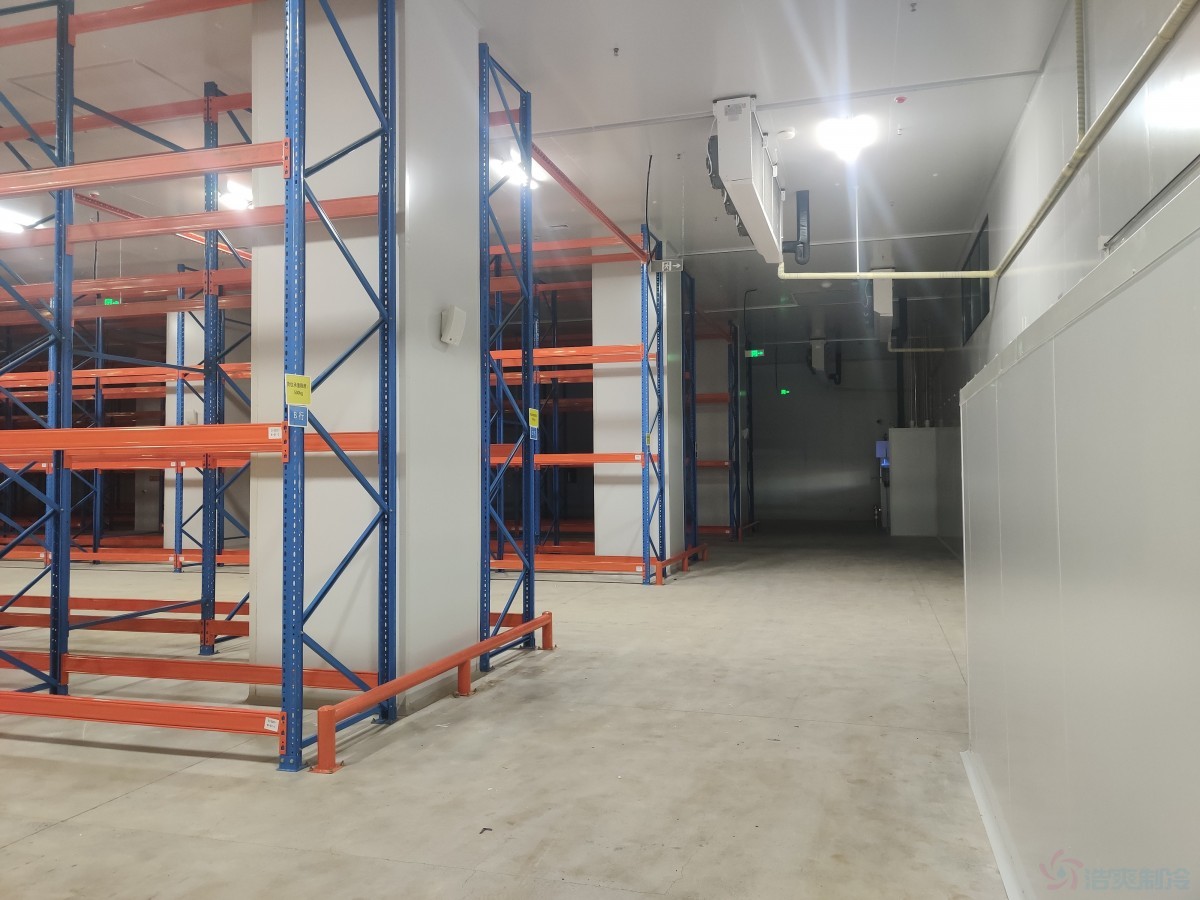
Wide-angle view of the completed interior and shelving of a multi-temperature zone biopharmaceutical cold storage facility.
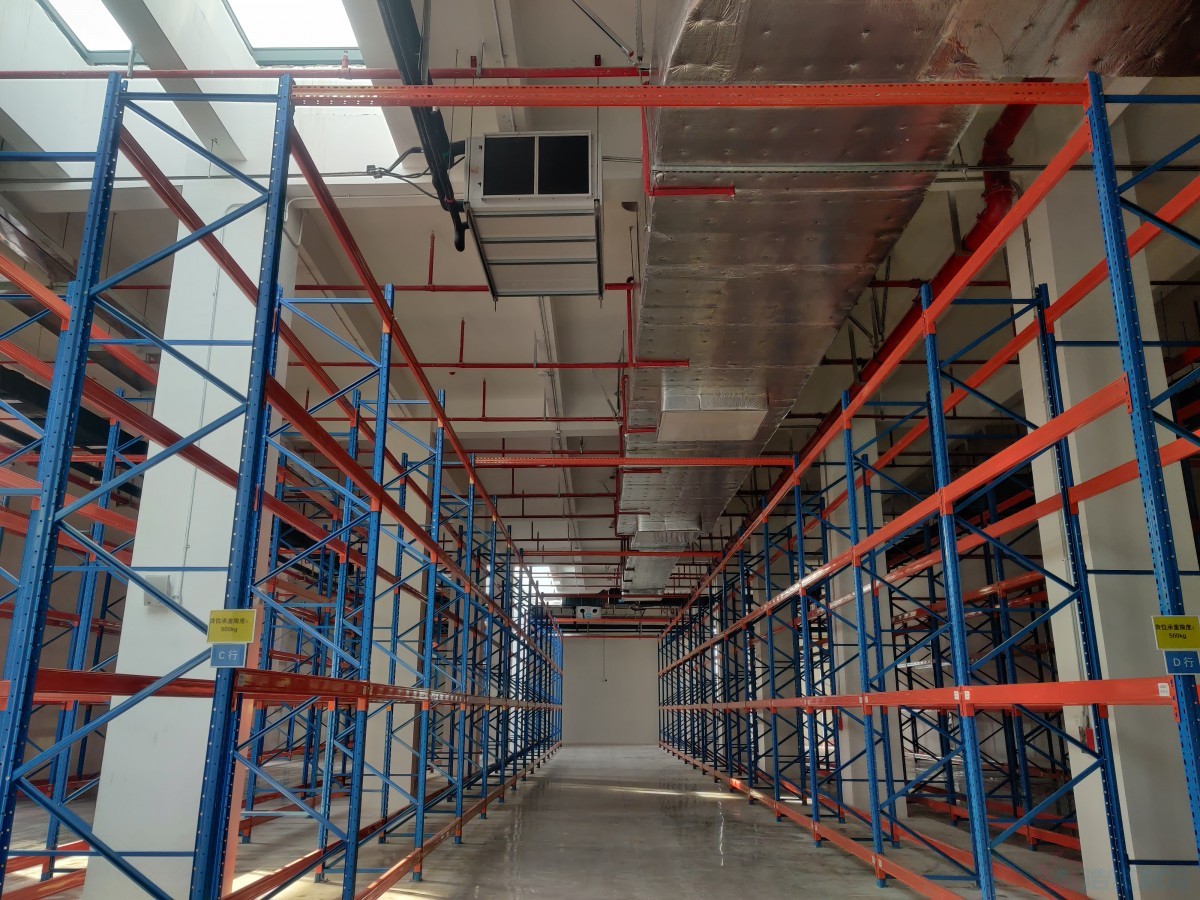
Wide-angle view of the completed interior and shelving of a multi-temperature zone biopharmaceutical cold storage facility.
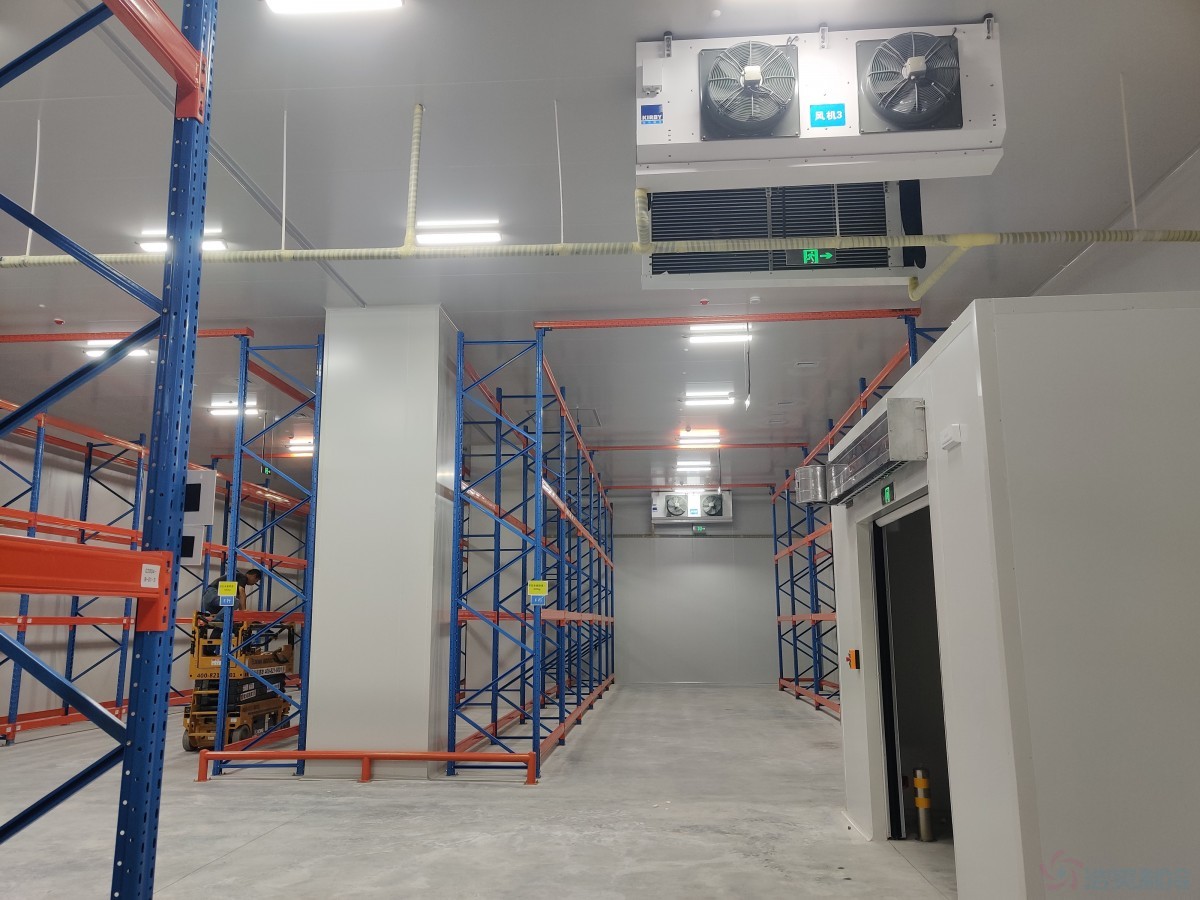
Wide-angle view of the completed interior and shelving of a multi-temperature zone biopharmaceutical cold storage facility.
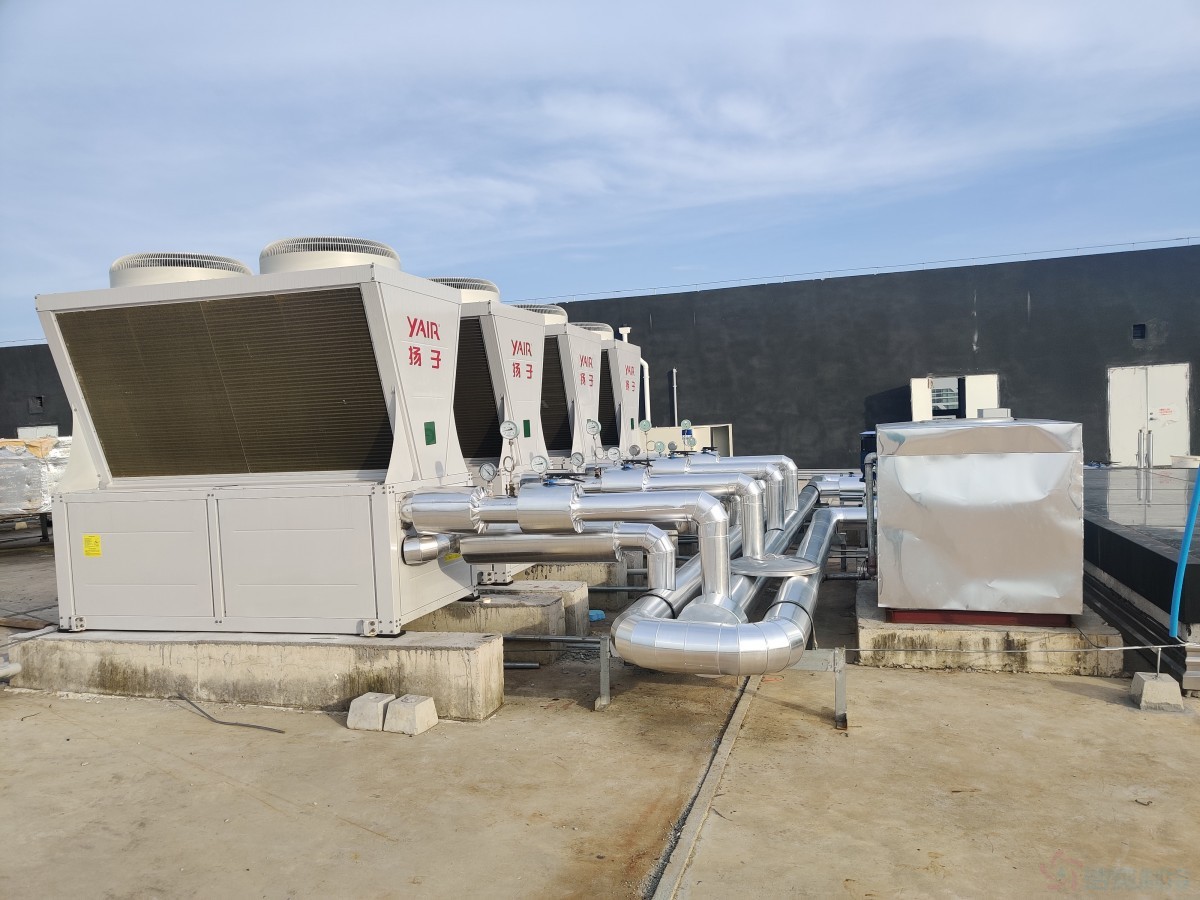
Actual view of a refrigeration unit for a multi-temperature zone biopharmaceutical cold storage facility.
Measurable 12‑Month Operational Outcomes After Commissioning
✅ Multi‑physical‑partition temperature zones satisfy differentiated preservation requirements for biological raw‑materials, reagents and finished goods, meeting GSP/GMP zoning audit requirements
✅ Five‑sided moisture‑proof insulation plus dedicated dehumidification system effectively eliminate tropical‑climate condensation risks; protect biological‑ingredient activity
✅ Optimised airflow organisation minimises interior temperature gradients; consistent preservation conditions across large‑volume storage space
✅ Thermal‑bridge elimination design improves overall energy‑efficiency under Haikou hot‑humid working‑conditions
✅ Buffer transition zones mitigate temperature shock risk during goods inbound & outbound handling workflows.
Practical Lessons For Building Pharmaceutical Cold‑Storage In Tropical Coastal Regions
Summarised from this Haikou biotech cold‑storage delivery, common costly pitfalls for pharmaceutical warehouse investors in hot‑humid coastal zones:
1. Apply ordinary food‑cold‑storage design for biopharma inventory → condensation damages active biological raw‑materials
2. Ignore independent dedicated dehumidification hardware relying only on refrigeration‑system dehumidifying → cannot reach pharmaceutical‑grade stable humidity under tropical high‑moisture ambient air
3. Skip systematic thermal‑bridge elimination on large‑size cold‑storage envelope → local wall condensation and higher power‑consumption
4. Mix different‑requirement biotech products inside one single chamber → product‑activity loss and direct GSP/GMP audit non‑conformity
5. Neglect buffer transition zones for pharmaceutical goods handling → frequent large temperature shock during loading‑unloading operations.
FAQ For Biotech & Pharmaceutical Infrastructure Managers In Tropical Regions
Q1: What are the main design challenges for pharmaceutical cold‑storage in Haikou tropical climate?
A: The primary challenge comes from year‑round high temperature and high humidity. Anti‑condensation envelope construction and independent dehumidification are critical to safeguard biological‑material activity and pass pharmaceutical compliance audits.
Q2: Why build multiple separated temperature zones for biotech enterprise cold‑storage?
A: Biological raw‑materials, reagents and finished pharmaceutical / cosmetic products require totally different temperature set‑points. Physically separated zones avoid cross‑influence and satisfy GSP / GMP regulatory zoning requirements.
Q3: What is the function of buffer transition zone in pharmaceutical cold‑storage?
A: It acts as intermediate transitional space for inbound and outbound cargo, lessening severe temperature shock caused by direct exchange between tropical hot outdoor air and low‑temperature cold‑chamber interior.
Request Your Custom Tropical‑Region Pharmaceutical Cold‑Storage Proposal
If you plan multi‑zone pharmaceutical or biotech cold‑storage construction for hot‑humid coastal locations, share your total volume, product categories and target compliance standards. Our engineering team can deliver humidity‑optimised layout concept plus itemised USD‑denominated quotation.