 Haocool

Lettuce is one of those everyday leafy greens that many people love. It’s sweet, crisp, and can be eaten raw – think of a fresh lettuce salad. But lettuce has a problem: it hates heat and is very sensitive. If you store it the wrong way or leave it at room temperature too long, it turns yellow, gets limp, and starts to rot within days.
Proper lettuce cold storage changes everything. A well‑managed cold room stops natural decay, reduces mould and bacteria, slows down the vegetable’s breathing, and keeps the leaves from ageing too fast. The result? Fresh, crunchy lettuce for up to 30 days.
For the best results, a dedicated vegetable cold storage room gives you stable, reliable conditions that lettuce needs.
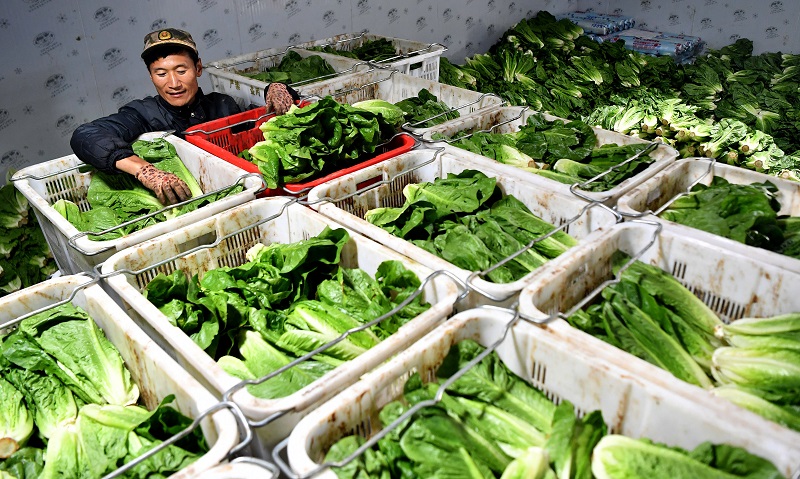
Why Does Lettuce Spoil So Fast?
Lettuce is more than 90% water. After harvest, it keeps breathing and losing moisture. At room temperature, its respiration rate is very high. That’s why you see wilting, yellow edges, and slimy spots in just a couple of days. Heat also speeds up the growth of bacteria and fungi.
A lettuce cold storage room lowers the temperature quickly, which:
- Slows respiration and moisture loss
- Keeps leaves crisp and green
- Prevents mould and bacterial rot
Step‑by‑Step: Lettuce Cold Storage Method
Follow these four steps carefully.
1. Harvest at the Right Time
Pick lettuce on a dry, sunny morning – ideally before the dew has fully dried. Always harvest by hand to avoid cuts and bruises.
Never harvest in the rain or during very hot hours. Wet or overheated lettuce will rot inside storage, no matter how good your cold room is.
2. Sorting and Grading
Right after harvest, sort the lettuce by size and quality. Remove any heads that have:
- Wilted or yellow outer leaves
- Insect damage or disease spots
- Physical bruises or cracks
Only store healthy, undamaged lettuce. One bad head can release ethylene and moisture that spoils nearby heads.
3. Pre‑Cooling – Essential for Lettuce
Lettuce must be pre‑cooled before going into long‑term storage. Pre‑cooling quickly pulls field heat out of the leaves. You can do this by placing lettuce directly into the cold room with strong air circulation (forced‑air cooling works best).
Do not let pre‑cooling take longer than 48 hours. Ideally, get the lettuce down to storage temperature within a few hours of harvest.
4. Temperature and Humidity Control
Now enter the main lettuce cold storage phase.
Temperature
Keep the cold room at 0°C to 0.5°C (32°F – 33°F) .
- Below -1°C (30°F) → chilling injury: leaves become water‑soaked, translucent, and mushy.
- Above 0.5°C → faster yellowing, wilting, and rot.
Stable temperature is critical. Avoid fluctuations larger than 0.5°C.
Humidity
Maintain 90% – 95% relative humidity (RH) .
Lettuce loses water very easily. High humidity keeps the leaves crisp and prevents shrivelling. If the air gets too dry, lightly spray water on the floor (never directly on the lettuce) or use a humidifier.
When you keep temperature and humidity stable, lettuce can stay fresh, green, and crunchy for up to 30 days. After that, it still looks and tastes almost like the day it was harvested.
Extra Tips for Best Results
- Don’t overload the cold room. Leave space between crates or boxes so cold air can circulate around every head.
- Use ventilated containers. Perforated plastic liners or mesh baskets help maintain humidity without trapping excess moisture.
- Check every week. Even in a perfect cold room, remove any yellow or slimy leaves immediately.
- Keep the door closed. Frequent opening lets in warm, humid air and destabilises temperature and humidity.
What to Expect After 30 Days in Cold Storage
After one month in a properly managed lettuce cold storage room, your lettuce should still look bright green, feel crisp, and smell fresh. The cold slows down the leaves’ metabolism, so nutrients like vitamins A and K remain intact. You won’t see the typical browning or sliminess that happens on the counter after just a few days.
This long shelf life gives you flexibility. You can store lettuce from a big harvest and sell it gradually, or keep a backup supply for restaurants and supermarkets.