 Haocool

Spinach is a common leafy green that people love for its mild taste and high nutritional value. It’s packed with vitamins, minerals, and antioxidants. But spinach has one big problem: it spoils very quickly at room temperature. Leave it on the counter for a day or two, and it starts to turn yellow, wilt, and develop slimy, rotten leaves.
The reason is that spinach has a high respiration rate and does not like heat – it actually prefers cold. If you store it the wrong way, you lose most of your harvest in just a few days.
Spinach cold storage is the solution. A well‑managed cold room slows down the vegetable’s breathing, locks in moisture, and keeps the leaves green and crisp. You can even store spinach during the peak harvest season and sell it months later at a higher price – a common strategy for farmers and wholesalers.
For the best results, a dedicated vegetable cold storage room gives you stable, reliable conditions that spinach needs.
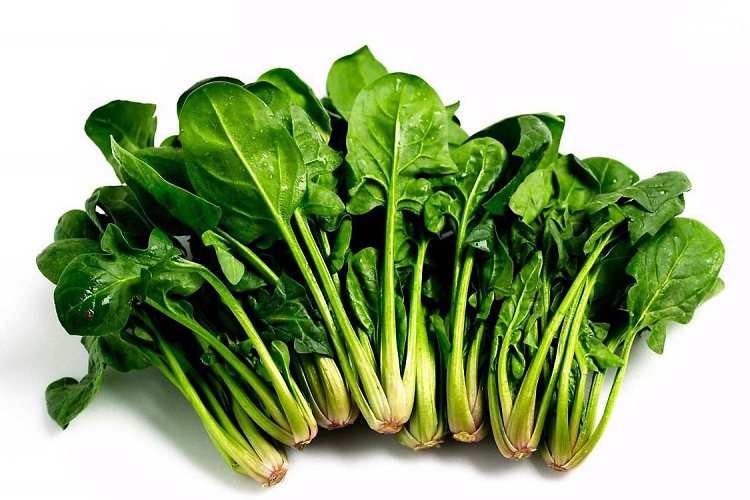
Why Does Spinach Spoil So Fast?
Spinach is more than 90% water. After harvest, it keeps breathing and losing moisture. At room temperature, its respiration rate is very high. Warm air causes the leaves to yellow, wilt, and rot quickly. Bacteria and mould also grow faster in warm, humid conditions.
A proper spinach cold storage room lowers the temperature quickly, which:
- Slows respiration and moisture loss
- Keeps leaves dark green and crisp
- Prevents mould and bacterial decay
Step‑by‑Step: Spinach Cold Storage Method
Follow these four steps carefully.
1. Harvest at the Right Time
Pick spinach on a dry, sunny or cloudy day. Never harvest in the rain – wet leaves carry moisture into storage, which leads to rot and mould. If the leaves are wet when picked, spread them out in a shaded, well‑ventilated area to air‑dry before moving to the next step.
2. Sorting and Grading
Right after harvest, go through the spinach by hand. Remove any leaves that are:
- Yellowed or wilted
- Damaged by insects or disease
- Covered in white spots (signs of fungus)
- Old or tough outer leaves
Only store healthy, vibrant leaves. One batch of bad leaves can release moisture and ethylene that spoils the rest.
3. Pre‑Cooling – Essential for Spinach
Pre‑cooling is not optional for spinach. It quickly pulls field heat out of the leaves, lowering their respiration before they go into long‑term storage. Without pre‑cooling, you’ll see condensation, yellowing, and mould inside the cold room.
Set your pre‑cooling temperature to 1–3°C (34–37°F) . You can do this by placing the spinach in the cold room with good air circulation or using a forced‑air cooler. Pre‑cool within a few hours of harvest.

4. Storage Temperature and Humidity
Now enter the main spinach cold storage phase.
Temperature
Keep the cold room at 0°C to 1°C (32°F – 34°F) .
- The safe fluctuation range is ±1°C.
- Avoid swings larger than 2°C – big temperature changes cause condensation, which leads to mould and rot.
If the temperature goes above 1°C, spinach yellows faster. Below 0°C, you risk freezing damage (watery, translucent leaves).
Humidity
Maintain 90% – 95% relative humidity (RH) .
Spinach loses water very easily. High humidity keeps the leaves crisp and prevents shrivelling. If the air gets too dry, use a regular air humidifier or a micro‑mist humidifier. Never spray water directly on the leaves – that encourages mould.
When you keep temperature and humidity stable, spinach shelf life depends on the season:
- Spring spinach (more tender, higher moisture) → 20–25 days
- Autumn spinach (hardier, lower respiration) → 25–35 days
What to Expect After Storage
After weeks in a properly managed spinach cold storage room, the leaves should still look dark green, feel crisp, and smell fresh. The cold slows down the leaves’ metabolism, so nutrients like iron, vitamin K, and folate remain intact. You won’t see the typical yellowing or sliminess that happens after just 3–5 days at room temperature.
Extra Tips for Best Results
- Don’t overload the cold room. Leave space between crates or boxes so cold air can circulate around every leaf.
- Use ventilated containers. Perforated plastic liners or mesh baskets help maintain humidity without trapping excess moisture.
- Check every few days. Even in a perfect cold room, remove any yellow or slimy leaves immediately to protect the rest.
- Keep the door closed. Frequent opening lets in warm, humid air and destabilises temperature and humidity.