 Haocool

If you are in the fresh food e‑commerce business, you already know the challenge. Customers expect fresh produce delivered to their door within hours, and that means you need a reliable cold chain behind every order.
A 3,000‑square‑metre cold storage warehouse is a common scale for regional distribution hubs. It is large enough to serve a city or a cluster of cities, but not so massive that it becomes unmanageable.
We have worked on several projects of this size across Asia and the Middle East. Here is what you need to know about cost and capacity.
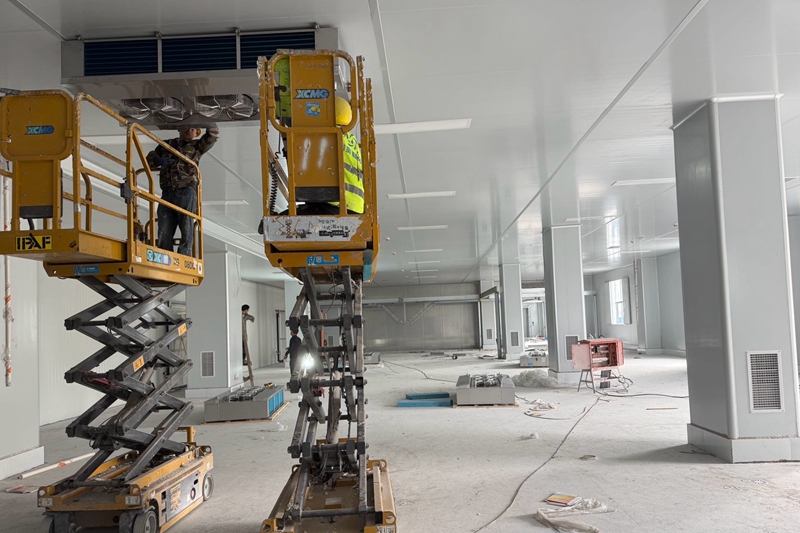
What Does a 3,000m² Cold Storage Cost?
For a multi‑zone fresh food cold storage warehouse, the turnkey investment typically falls between $350,000 and $420,000 USD.
That is a broad range because several factors influence the final number. The equipment brand, the local labour market, the climate, and the level of automation all play a role. A facility in Bangkok costs different from one in Dubai or Lagos.
Here is a breakdown of where the money goes.
Refrigeration System – The Largest Single Cost
The refrigeration system is the heart of the facility. It accounts for the biggest share of the budget. This includes:
- Industrial compressor units
- Condensing systems
- Air coolers and evaporators
- Smart temperature controls
Energy‑efficient systems cost more upfront, but they reduce electricity bills over time. In a facility that runs 24/7, that difference adds up fast.
Insulated Structure
The building envelope is next. This includes:
- Polyurethane insulation panels
- Cold room doors and sealing systems
- The structural steel framework
- Moisture and vapour barriers
Good insulation keeps temperatures stable and lowers operating costs. Skimping on insulation means the refrigeration system works harder and consumes more electricity.
Functional Work Areas
E‑commerce cold storage is not just a warehouse. It has different zones for different tasks, each with its own temperature requirement.
- Cold storage area: 0–4°C for fruits, vegetables, dairy, and chilled goods
- Sorting and packing area: 5–10°C for order picking, packaging, and labelling – cool enough to preserve freshness, warm enough for workers to handle product comfortably
- Processing area: For washing, trimming, cutting, and meal preparation. The temperature here depends on the specific product.
Electrical, Controls, and Installation
Power distribution, automated monitoring, safety systems, and installation labour round out the rest of the budget.
How Much Product Can a 3,000m² Facility Hold?
A well‑designed 3,000m² warehouse can store roughly 2,800 to 3,500 metric tons of fresh produce, depending on the pallet racking system and how densely the product is stacked.
The facility is designed for high‑volume inbound and outbound throughput, not just bulk storage. That means you can receive large shipments, process orders, and dispatch deliveries without bottlenecks.
This is why the design includes separate temperature zones – so you can move product through the facility without breaking the cold chain.
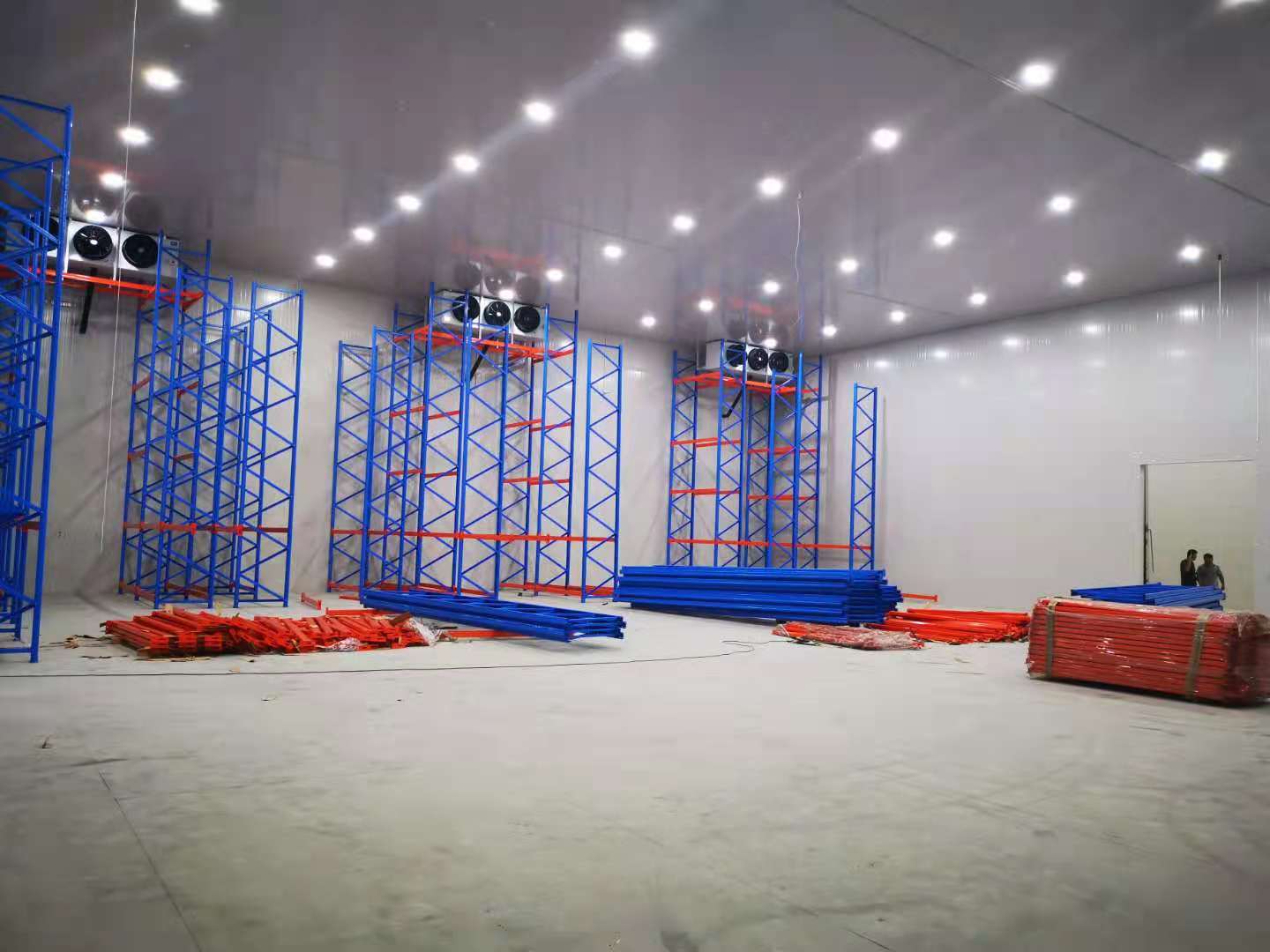
Why Do Costs Vary So Much?
We get this question a lot. Here are the main reasons the final price can swing by 15–20 percent.
First, equipment brand. Premium brands like Bitzer, Copeland, or GEA cost more than good Chinese or regional brands. They are more reliable and energy‑efficient, but they add to the upfront cost.
Second, location. Labour costs, material availability, and import duties vary dramatically between countries. A project in Thailand is different from one in Saudi Arabia.
Third, climate. A facility in a hot and humid region needs more insulation and larger condensers than one in a temperate climate. The cooling load is higher, so the equipment has to be bigger.
Fourth, automation. A fully automated facility with conveyor systems, automated storage and retrieval, and integrated inventory management costs significantly more than a manually operated warehouse.
Real Example: 3,000m² Cold Storage in Bangkok
Here is a recent project we completed for an online grocery operator in Bangkok, Thailand.
- Facility size: 3,000m²
- Total investment: $392,000 USD
- Storage capacity: approximately 3,200 metric tons
- Temperature zones: storage (0–4°C), sorting and packing (5–10°C), and a small processing area
The facility has been running for 18 months now. The operator reports that spoilage rates dropped from 12 percent to under 4 percent. Order fulfillment time improved by nearly 40 percent because staff can pick and pack in a comfortable, climate‑controlled environment.
The estimated payback period is between three and five years, depending on how fully the warehouse is utilised.
Is a Facility Like This Right for Your Business?
This scale of cold storage works well for several types of operators.
Online grocery platforms benefit because they can hold inventory closer to their customers. Produce distributors gain flexibility because they can store product during surplus and sell during shortage. Food exporters use these facilities to consolidate shipments and maintain quality before container loading.
The common thread is that all of them need a centralised cold chain hub to reduce spoilage, improve efficiency, and maintain product quality.