 Haocool

Author: Senior Cold‑Chain EPC Cost Engineer with hands‑on experience delivering mid‑size food cold‑storage projects for domestic and overseas food distributors.
Disclaimer: All cost figures in this article are real‑world observed reference ranges aggregated from our completed turn‑key EPC deliveries. Numbers serve for early‑stage project planning only. Final project budget shifts significantly depending on local climate conditions, import duties, existing building shell status, redundancy specifications and regional labour costs. Reach out to our engineering team for a site‑specific itemised quotation.
An 8 000 m³ cold‑storage facility represents a practical mid‑scale cold‑chain investment. It is large enough to act as a regional food distribution hub, yet achievable as a single‑phase capital outlay for many food processors and wholesale operators. Many investors only compare upfront hardware prices without accounting for long‑term operating expenses, climate‑related hardware upgrades or racking layout constraints. Poor early‑stage planning leads to inflated power bills, insufficient usable storage tonnage and disappointing return‑on‑investment.
This guide walks through practical capacity calculation, turn‑key investment benchmarks, 10‑year total‑cost‑of‑ownership analysis and real‑project ROI outcomes for 8 000 m³ food cold‑storage builds. For practical field reference, you can review our 2 000 m² 800‑ton cold‑storage reference case showing real‑world mid‑size agri‑warehouse implementation.
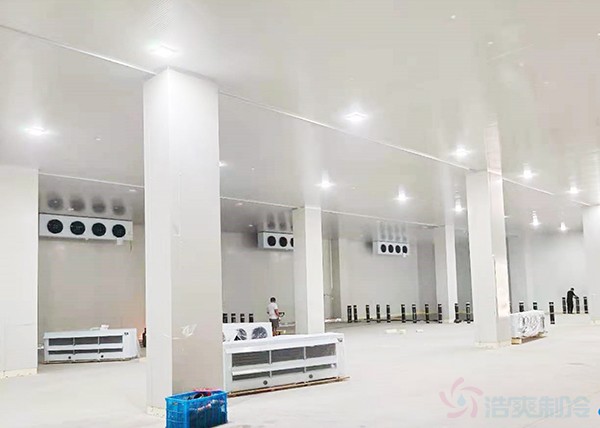
Practical Storage Capacity Expectations for an 8 000 m³ Facility
Assuming 4.0 m clear internal height, which is standard for forklift‑based warehouse operation, an 8 000 m³ cold‑storage delivers roughly 2 000 m² of floor footprint. Real usable tonnage varies heavily based on commodity type, packaging style and racking layout.
| Product Type | Storage Density | Approx. 8 000 m³ Usable Capacity | Practical Notes |
|---|---|---|---|
| Frozen Meat / Seafood (cartoned) | 200 kg/m³ | ~1 600 metric tons | Standard carton‑packed frozen commodity |
| Chilled Dairy / Ready‑Meals | 180 kg/m³ | ~1 440 metric tons | Lighter packaged consumer goods |
| Palletized Goods (EUR‑standard pallets) | 35 pallets per 100 m³ | ~2 800 pallets | Includes mandatory forklift aisle space |
| 40ft Refrigerated Container Equivalent | — | 56 containers | Quick visual‑scale reference |
Four Variables That Directly Change Actual Usable Capacity
- Racking solution choice: Block stacking, selective pallet racking or drive‑in racking can create 20‑30 % difference in effective stock volume
- Aisle width requirements: Forklift operation demands wider passages compared to manual‑only handling
- Mandatory ventilation gaps: Different food categories require dedicated air‑circulation clearances between stacked pallets
- Packaging format: Cartons, bulk bins and stretch‑wrapped pallets each alter stacking density
💡 Field‑pro‑tip from project deployments: Do not max‑out warehouse fill‑rate. Preserving proper airflow gaps between stock piles avoids localised moisture buildup and inconsistent product temperatures across storage zones.
Reference Turn‑Key Upfront Investment Benchmarks
Baseline assumption: Project built inside an existing available building shell; numbers exclude civil construction, steel‑structure work, land purchase and site transformer hardware.
| Temperature Profile | Typical Application | Reference Total (USD) | Cost per m³ |
|---|---|---|---|
| Chilled (0‑4 °C) | Fruits, vegetables, dairy produce | $340 000 | $42.5/m³ |
| Frozen (-18‑25 °C) | Meat, seafood, IQF frozen goods | $400 000 | $50/m³ |
| Multi‑zone mixed‑temperature layout | Diverse mixed‑commodity food inventory | $420 000 | $52.5/m³ |
✅ Turn‑key scope includes: Layout engineering design, insulation panels, full refrigeration hardware, electrical distribution, on‑site installation and final commissioning
❌ Excluded: Land works, concrete base slab, site utility hook‑ups, cross‑border import customs duties
Detailed Cost Component Break‑Down (Frozen‑Temperature Reference Configuration)
| Cost Category | Proportion of total | Estimated USD Range | Core Specification Notes |
|---|---|---|---|
| Insulation Panels | 20‑25 % | $80 000‑100 000 | 150 mm B1 fire‑rated PU panels, stainless‑steel or aluminium food‑grade cladding |
| Refrigeration System | 30‑35 % | $120 000‑140 000 | Bitzer / Copeland screw compressors sized for -25 °C operating condition |
| Evaporator Units | 10‑12 % | $40 000‑48 000 | Low‑temperature EC‑fan air coolers |
| Controls & Monitoring Platform | 5‑8 % | $20 000‑32 000 | Siemens / Allen‑Bradley PLC with cloud‑based logging and mobile alarm notifications |
| Floor Construction System | 8‑10 % | $32 000‑40 000 | XPS anti‑frost‑heave insulation plus reinforced concrete slab |
| Cold‑Room Doors & Loading‑Dock Hardware | 3‑5 % | $12 000‑20 000 | Insulated sliding doors, dock shelters and bumpers |
| On‑Site Installation & Commissioning | 8‑10 % | $32 000‑40 000 | Site assembly, full‑load performance testing and operator training |
| Project Grand Total | 100 % | $340 000‑420 000 |
What Drives The Gap Between Chilled, Frozen and Multi‑Zone Pricing
| Cost‑Influencing Item | Chilled (0‑4 °C) | Frozen (-18‑25 °C) | Multi‑Zone Mixed Layout |
|---|---|---|---|
| PU insulation thickness | 100 mm | 150 mm | Zone‑dependent specification |
| Compressor hardware type | Scroll compressors | Screw compressors | Mixed hardware set |
| Floor anti‑freeze heating circuit | Not required | Mandatory | Activated for freezer zones only |
| Control‑system architecture | Single‑zone controller | Single‑zone controller | Independent multi‑zone control logic |
| Total reference budget | $340 000 | $400 000 | $420 000 |
Why Insulation Panel Thickness Matters For Food Cold‑Storage
Field‑experience shows incorrect insulation thickness is one of the most frequent root‑causes for excessive monthly power draw:
| Operating Temperature Range | Recommended PU‑Panel Thickness | Practical Engineering Rationale |
|---|---|---|
| Chilled storage (0‑4 °C) | 100 mm | Sufficient thermal resistance for moderate indoor‑outdoor temperature delta |
| Frozen storage (-18‑25 °C) | 150 mm | Minimises heat infiltration; critical for keeping long‑term energy costs manageable |
| Blast‑freezer chamber (-35 °C and below) | 200 mm+ | Extreme temperature difference requires maximum‑grade thermal barrier |
Key mandatory specification points:
– B1 fire‑retardant safety classification for food‑warehouse environments
– Food‑grade metal cladding (stainless‑steel / aluminium) for hygiene and corrosion resistance
– Complete vapour‑barrier layers to block moisture ingress preventing internal ice‑build‑up
How Multi‑Zone Cold‑Storage Layout Works
Multi‑zone design lets operators hold different food commodities requiring distinct temperatures all within one building shell:
– Insulated solid partition walls physically separate chilled and frozen zones
– Every temperature zone gets its dedicated evaporator hardware and independent set‑point control
– Purpose‑built temperature‑buffer vestibules act as transition space between hot ambient outdoors and cold interior spaces
– Fully segregated air circulation loops to eliminate cross‑zone air‑mixing and cross‑contamination risks
Good use‑cases for multi‑zone configuration:
– You run mixed inventory combining dairy, fruit and frozen meat‑seafood lines
– Want operational flexibility to service multiple distinct customer segments
– Expect to expand your product portfolio in coming years
Operating Expenses & 10‑Year Total‑Cost‑of‑Ownership (TCO) Analysis
Energy expenditure dominates cold‑warehouse running costs; it typically accounts for 60‑70 % of all ongoing operational spending.
Approximate Annual Energy Consumption
| Facility Type | Annual energy usage per cubic‑meter | Estimated total yearly consumption for 8 000 m³ |
|---|---|---|
| Chilled (0‑4 °C) | 120‑180 kWh/m³ | 960 000‑1 440 000 kWh |
| Frozen (-18‑25 °C) | 180‑250 kWh/m³ | 1 440 000‑2 000 000 kWh |
Actual consumption shifts with local peak ambient temperature, door‑opening frequency, insulation integrity and equipment efficiency grade.
Estimated Yearly Maintenance Outlay
| Work Item | Service Interval | Approximate Annual Cost |
|---|---|---|
| Compressor scheduled service | Once per year | $5 000‑8 000 |
| Evaporator coil deep cleaning | Quarterly | $2 000‑4 000 |
| Refrigerant top‑up work | As‑needed condition‑based | $1 000‑3 000 |
| Door‑seal inspection & replacement | Bi‑annually | $1 000‑2 000 |
| Control‑system firmware & configuration review | Annual | $1 000‑2 000 |
| Full‑year maintenance aggregate | — | $10 000‑19 000 / annum |
10‑Year Full‑Lifecycle Total‑Cost‑of‑Ownership Projection
| Cost Category | 10‑Yr Estimate (Chilled‑Storage Version) | 10‑Yr Estimate (Frozen‑Storage Version) |
|---|---|---|
| Initial turn‑key investment | $340 000 | $400 000 |
| Cumulative energy spend over decade* | $300 000‑500 000 | $450 000‑700 000 |
| Cumulative maintenance spend over decade | $100 000‑190 000 | $100 000‑190 000 |
| 10‑Year total‑cost‑of‑ownership | $740 000‑1 030 000 | $950 000‑1 290 000 |
*Energy estimates calculated on reference electricity price of \$0.10‑0.15/kWh; real values depend heavily on local utility tariffs.
💡 Critical business insight gathered from completed projects: Over a full 10‑year service‑life, combined operating costs can surpass the original upfront construction spend. Investing in premium insulation and high‑efficiency refrigeration hardware increases initial budget but delivers measurable pay‑back within 3‑5 years through reduced power bills.
Real‑World ROI Field Example: Frozen‑Food Distribution Hub, Nairobi, Kenya
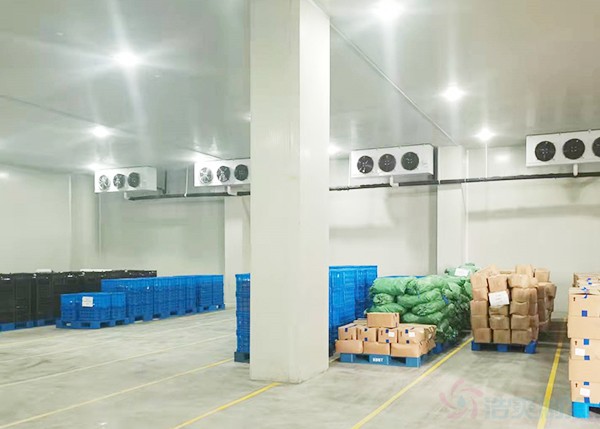
This real‑completed overseas project illustrates the financial benefits of switching from third‑party rented cold‑warehouse to self‑owned 8 000 m³ freezer facility.
Core Project Parameters
| Metric | Project Value |
|---|---|
| Total turn‑key investment | $398 000 USD |
| Technical configuration | Single‑zone‑22 °C freezer |
| Insulation spec | 150 mm PU fire‑rated panels |
| Management hardware | Cloud‑connected remote temperature‑monitoring platform |
Before‑and‑After Operational KPIs
| Metric | Pre‑Project (Rented Cold Storage) | Post‑Commissioning (Self‑Owned Facility) |
|---|---|---|
| Average product spoilage rate | 9 % | 2.5 % |
| Storage model | Outsourced rental space | Fully in‑house controlled warehouse |
| Market‑reach scope | Limited customer base | Supply contracts with three large‑scale supermarket chains |
| Calculated investment pay‑back | — | 13 months |
Main Sources Of Return‑On‑Investment
- Spoilage reduction from 9 % down to 2.5 %, preserving 6.5 % of annual goods value
- Complete elimination of recurring third‑party cold‑warehouse rental charges
- Securing new large retail supply contracts enabled by in‑house quality‑control capability
- End‑to‑end temperature‑process oversight over incoming stock and outbound shipments
Client feedback summary: “Before building this facility we were completely subject to the variable quality of leased cold‑storage. Now we retain full command over product quality and operational expenditure.”
How To Pick Suitable Cold‑Storage Configuration For Your Business
| Primary Stored Commodity | Recommended Temperature Band | Insulation Thickness | Preferred Compressor Type |
|---|---|---|---|
| Fruits, vegetables, dairy goods | Chilled 0‑4 °C | 100 mm | Scroll compressors |
| Frozen meat, seafood, ice‑cream products | Frozen ‑18‑25 °C | 150 mm | Screw compressors |
| Mixed‑diversified product portfolio | Multi‑zone variable temperatures | Zone‑specific thickness | Mixed‑model compressor setup |
Key Pre‑Investment Decision Checklist
- What is your complete product‑mix: single commodity or broad‑range mixed inventory?
- Expected storage residence‑time: short‑term chilled transit or long‑term frozen holding?
- Target market profile: local domestic distribution or cross‑border export business?
- Mid‑term business‑expansion outlook: will you add new product categories in coming years?
- Site‑specific climate conditions: hot tropical ambient environments demand higher‑capacity refrigeration sizing.
Frequently Asked Questions
Q1: Does the \$340 000‑420 000 price range cover land purchase and building civil‑structure work?
A: No. This pricing assumes you already possess a usable building shell. Quotation covers insulation panels, refrigeration systems, flooring works, cold‑room doors, controls plus installation‑commissioning. Land and building construction represent separate major capital expenses.
Q2: What is typical construction timeline for an 8 000 m³ cold‑storage using an existing building shell?
A: Under normal site‑condition circumstances: 8‑12 calendar weeks counting from material delivery through to full commissioning and hand‑over.
Q3: What composes the largest share of yearly running expenditure for cold‑warehouses?
A: Energy consumption accounts for 60‑70 % of annual operating outlay. For an 8 000 m³ facility: chilled‑warehouse annual power use sits around 960 000‑1 440 000 kWh; freezer‑type facilities reach 1 440 000‑2 000 000 kWh. Yearly maintenance budget guidance: \$10 000‑19 000.
Q4: Why is frozen cold‑storage more capital‑intensive than chilled‑only warehouses?
A: Freezer‑grade builds call for thicker PU insulation (150 mm versus 100 mm), more powerful screw‑type compressors instead of scroll hardware, anti‑frost‑heave under‑floor heating circuits and more heavy‑duty cold‑room door assemblies.
Q5: Can I later convert a chilled cold‑room over to freezer‑grade operation?
A: Conversion is technically complex and generally not cost‑effective. It requires full replacement of insulation panels, major refrigeration‑system upgrade plus adding floor‑heating infrastructure. It is far more economical to specify correct temperature‑grade at initial design phase.
Q6: Is it possible for different‑temperature zones to share one single compressor plant?
A: Separate evaporators and expansion valves are mandatory for different temperature set‑points. However multiple zones can share one central compressor rack utilising different suction‑pressure group configurations.
Q7: What risk arises in case of unexpected power‑supply black‑outs?
A: Professional cold‑storage design must incorporate backup‑power arrangements. For high‑value frozen‑commodity stock, diesel generator or UPS backup hardware is strongly advised to maintain temperature stability during grid‑failure events.
Q8: How does high‑ambient‑temperature climate impact cold‑storage design choices?
A: Facilities operating in regions with summer peaks up to 48 °C need over‑sized condenser capacity, thicker insulation layers and more frequent scheduled equipment maintenance; overall yearly power‑consumption will also rise accordingly.
Request Your Custom Mid‑Scale Food Cold‑Storage Planning Proposal
If you are evaluating an 8 000 m³‑class food cold‑storage investment, share your main commodity portfolio, existing building‑shell specifications, local peak ambient‑temperature values and target market requirements. Our cold‑chain engineering team can deliver concept layout drawings plus itemised USD‑denominated budget estimate.