 Haocool

How much does it cost to build a 300 m² cold storage facility?
A 300 m² cold store is a common size for fresh produce distribution, food processing, meat and seafood storage, pharmaceutical warehousing and other cold-chain applications. However, there is no single fixed price for a 300 m² cold storage project.
The total investment depends on the storage temperature, building height, storage capacity, product type, refrigeration system, insulation specification, automation level and project location.
As a preliminary international-market estimate, a basic 300 m² cold storage project may range from approximately US$70,000 to US$200,000+, while more complex pharmaceutical, automated or specialized facilities can require a significantly higher investment.
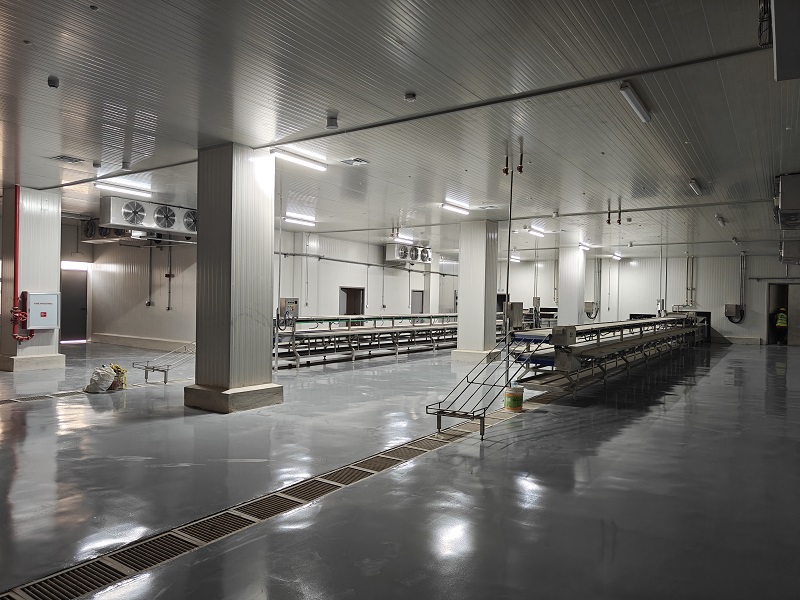
How Much Does a 300 m² Cold Storage Cost?
The first step is to define the operating temperature and application.
| Cold Storage Type | Typical Temperature | Preliminary Project Investment* |
|---|---|---|
| Fresh produce cold storage | 0 to +5°C | US$70,000–120,000 |
| Chilled food storage | 0 to +4°C | US$80,000–130,000 |
| Frozen food storage | Around -18°C | US$100,000–160,000 |
| Low-temperature storage | Around -25°C | US$120,000–200,000+ |
| Specialized pharmaceutical cold storage | Project-specific | US$150,000+ |
*These figures are preliminary planning ranges, not fixed quotations. Actual project costs vary by country, building structure, storage height, product load, refrigeration design, electrical requirements, automation and installation scope.
For an accurate quotation, the project should be calculated from the required storage capacity and operating conditions, rather than floor area alone.
Why Does the Cost of a 300 m² Cold Storage Facility Vary So Much?
Two cold rooms can both have a floor area of 300 m² while requiring completely different engineering systems.
The main cost factors include:
- Storage temperature
- Room height
- Storage capacity
- Product type
- Product entering temperature
- Daily throughput
- Required storage period
- Refrigeration capacity
- Insulated panel specification
- Cold storage doors
- Flooring
- Electrical system
- Temperature monitoring
- Automation
- Racking
- Installation and commissioning
- Project location
This is why a 300 m² fresh produce cold room can have a very different investment from a 300 m² -18°C frozen warehouse.
300 m² Cold Storage: How Much Can It Store?
Floor area alone does not determine storage capacity.
Storage capacity depends on:
- Clear room height
- Product density
- Pallet dimensions
- Pallet weight
- Stacking height
- Aisle requirements
- Racking configuration
- Equipment access
- Air circulation requirements
For example, a 300 m² cold room with a 4 m clear height may have a very different capacity from a 300 m² high-bay warehouse with an 8–10 m clear height.
For preliminary fruit and vegetable planning, storage volume is often estimated using approximately 4–5 m³ per ton, although the actual value depends on the commodity and packaging.
A higher-density frozen-food operation may achieve a different storage ratio through pallet racking and optimized stacking.
Therefore, a proper cold storage design should start with:
Product → Tons/Pallets → Temperature → Storage duration → Throughput → Room volume → Refrigeration load
300 m² Fresh Produce Cold Storage Cost
For fruit and vegetable storage, a typical cold room may operate around 0–5°C, depending on the product.
The project may require:
- Insulated cold room panels
- Refrigeration units
- Evaporators
- Condensers
- Cold storage doors
- Insulated flooring
- Temperature and humidity monitoring
- Receiving and dispatch areas
- Pre-cooling equipment where required
Fresh produce projects can also require higher humidity control and better airflow distribution than some other cold storage applications.
For example, a facility storing recently harvested produce may require rapid pre-cooling before the product enters long-term storage.
300 m² Frozen Cold Storage Cost
A -18°C frozen storage facility generally requires a larger refrigeration system than a 0–5°C fresh produce room.
The refrigeration system needs to handle:
- Product load
- Transmission heat
- Door infiltration
- Fan motors
- Lighting
- Defrost load
- Initial pull-down
- Daily product turnover
The insulated envelope must also provide reliable protection against heat gain and moisture migration.
A typical frozen warehouse may include:
- PIR or PU insulated panels
- Insulated floor
- Freezer doors
- Low-temperature evaporators
- Condensing or compressor units
- Defrost system
- Temperature monitoring
- Alarm system
The final refrigeration capacity should be calculated from the actual product load and operating schedule.
Key Cost Components of a 300 m² Cold Storage Facility
The total project investment normally consists of several major components.
1. Insulated Building Envelope
The cold room envelope may include:
- Wall panels
- Ceiling panels
- Floor insulation
- Vapor barriers
- Sealing systems
- Cold storage doors
Panel thickness depends on the operating temperature and local design conditions.
For a low-temperature freezer, thicker and higher-performance insulation is generally required than for a 0–5°C fresh produce room.
2. Refrigeration System
The refrigeration system is one of the largest parts of the investment.
Typical equipment includes:
- Compressors
- Condensers
- Evaporators
- Refrigerant piping
- Expansion valves
- Control devices
- Pressure protection
- Temperature sensors
- Control panels
The refrigeration system should be selected according to the calculated heat load rather than simply based on room area.
3. Flooring
Cold storage flooring may require:
- Insulation
- Vapor barrier
- Reinforced concrete
- Protective surface
- Heavy-duty finish
For warehouses using forklifts or pallet handling equipment, floor load capacity and durability become particularly important.
4. Doors and Loading Access
Cold storage doors affect both construction cost and operating efficiency.
Depending on the project, the facility may require:
- Hinged cold room doors
- Sliding freezer doors
- High-speed doors
- Emergency escape doors
- Loading dock doors
- Dock shelters and levelers
Frequent door opening can also significantly increase refrigeration load, especially in frozen storage.
5. Electrical and Monitoring Systems
A commercial cold storage facility may require:
- Main electrical distribution
- Control panels
- Temperature sensors
- Alarm systems
- Remote monitoring
- Data recording
- Emergency systems
For larger facilities, energy monitoring and automated control can also help reduce operating costs.
How Much Does Refrigeration Capacity Cost?
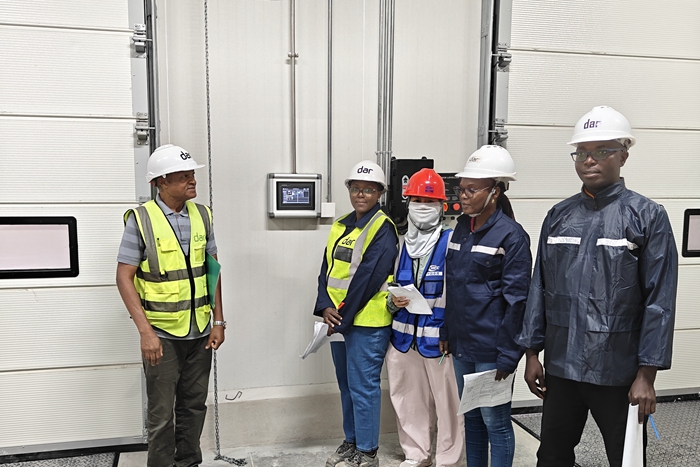
Refrigeration cost cannot be accurately estimated from 300 m² alone.
For example, two facilities with identical floor areas can have different refrigeration loads because one may store incoming produce at 5°C while the other receives frozen goods at a much higher temperature before final pull-down.
The refrigeration calculation should consider:
Refrigeration Load = Product Load + Transmission Load + Infiltration Load + Internal Loads + Defrost/Pull-Down Requirements
This is why professional cold storage suppliers normally request product temperature, daily throughput and operating conditions before preparing a final quotation.
Can a 300 m² Cold Storage Facility Be Automated?
Yes.
A 300 m² cold store can use different levels of automation depending on throughput and investment objectives.
Possible solutions include:
- Manual pallet storage
- Selective pallet racking
- Mobile racking
- Shuttle systems
- Conveyor systems
- AGVs or AMRs
- Automated storage and retrieval systems
- WMS/WCS integration
However, automation should be evaluated based on throughput and labor requirements, not simply floor area.
For a relatively small project, a fully automated warehouse may not provide the best return on investment. For high-throughput distribution operations, automation may significantly improve storage density and handling efficiency.
300 m² Cold Storage: New Building or Existing Warehouse?
Another major cost factor is whether the project uses an existing building or requires a complete new facility.
Existing Building Conversion
An existing building may reduce civil construction costs, but it still needs to be evaluated for:
- Floor load capacity
- Building height
- Roof structure
- Drainage
- Electrical capacity
- Fire protection
- Access for refrigeration equipment
- Insulation installation
New Cold Storage Building
A new project may include:
- Foundations
- Steel structure
- Insulated building envelope
- Cold storage rooms
- Refrigeration plant
- Electrical systems
- Loading areas
- Fire protection
- Drainage
- Office and technical areas
A turnkey EPC project therefore has a very different investment structure from a simple cold room installation inside an existing building.
How to Reduce the Cost of a 300 m² Cold Storage Facility
The lowest initial cost is not always the lowest total project cost.
A better approach is to optimize the entire system.
Optimize Storage Layout
Efficient pallet arrangement can increase storage capacity without increasing building area.
Select the Right Refrigeration Capacity
Oversized refrigeration equipment can increase investment and operating costs, while undersized systems may struggle to maintain temperature.
Improve Insulation Performance
Better insulation can reduce long-term heat gain and energy consumption.
Reduce Door Infiltration
High-frequency door opening can substantially increase refrigeration load. Proper door selection and loading-area planning can improve energy efficiency.
Design for Future Expansion
If the business is expected to grow, the refrigeration plant, electrical system and building layout can be planned with future expansion in mind.
What Information Is Needed for a 300 m² Cold Storage Quote?
To prepare a preliminary design and quotation, provide:
| Project Information | Example |
|---|---|
| Floor area | 300 m² |
| Storage temperature | 0–5°C / -18°C / other |
| Clear height | 4 m / 6 m / 8 m |
| Product type | Fruit / vegetables / meat / seafood / pharmaceutical |
| Storage capacity | Tons or pallets |
| Incoming product temperature | °C |
| Daily throughput | Tons or pallets/day |
| Storage period | Days / weeks / months |
| Packaging | Cartons / crates / pallets |
| Storage method | Floor stacking / racking / automation |
| Project location | City and country |
| Existing building | Yes / No |
| Automation | Manual / semi-automatic / automated |
| Scope | Cold room / refrigeration / complete EPC |
With this information, the engineering team can determine the required room dimensions, refrigeration load, equipment configuration, electrical demand and project investment.
300 m² Cold Storage Investment and ROI
The economic return of a cold storage project depends on more than the construction cost.
A basic investment analysis should compare:
- Total project investment
- Storage capacity
- Annual storage throughput
- Storage or rental revenue
- Electricity consumption
- Labor cost
- Maintenance cost
- Product loss reduction
- Expected annual operating profit
For example, a 300 m² cold store supporting a high-turnover fruit distribution business may generate a very different return from a low-utilization seasonal storage facility.
For investment decisions, the project should therefore be evaluated using capacity, utilization, operating cost and expected revenue, rather than construction cost alone.
Request a 300 m² Cold Storage Quote Today
Contact us for a customized 300 m² cold storage design and quotation based on your storage temperature, product type, storage capacity, throughput and project location.
We can provide cold storage design, refrigeration systems, insulated structures, cold storage doors, monitoring and control systems, installation, commissioning and complete turnkey EPC solutions.