 Haocool

Green Sichuan peppercorns, also known as rattan pepper (Tengjiao), are characterized by their distinctive aroma and numbing flavor. However, they have relatively demanding storage requirements. After harvesting, their quality can be affected by moisture, temperature, light, oxygen and other environmental factors.
If green Sichuan peppercorns are stored improperly or left at room temperature for too long, they may develop browning and discoloration, affecting their appearance and causing the loss of their characteristic aroma and numbing flavor.
Using a controlled-atmosphere (CA) cold storage facility can help preserve green Sichuan peppercorns under controlled conditions, reducing their dependence on natural environmental conditions. Properly managed storage can help inhibit enzyme activity, suppress the growth of various pathogenic microorganisms, and slow increases in the peroxide value and acid value of green Sichuan pepper oil, thereby extending its storage life.
This guide introduces the cold storage methods and temperature requirements for green Sichuan peppercorns.
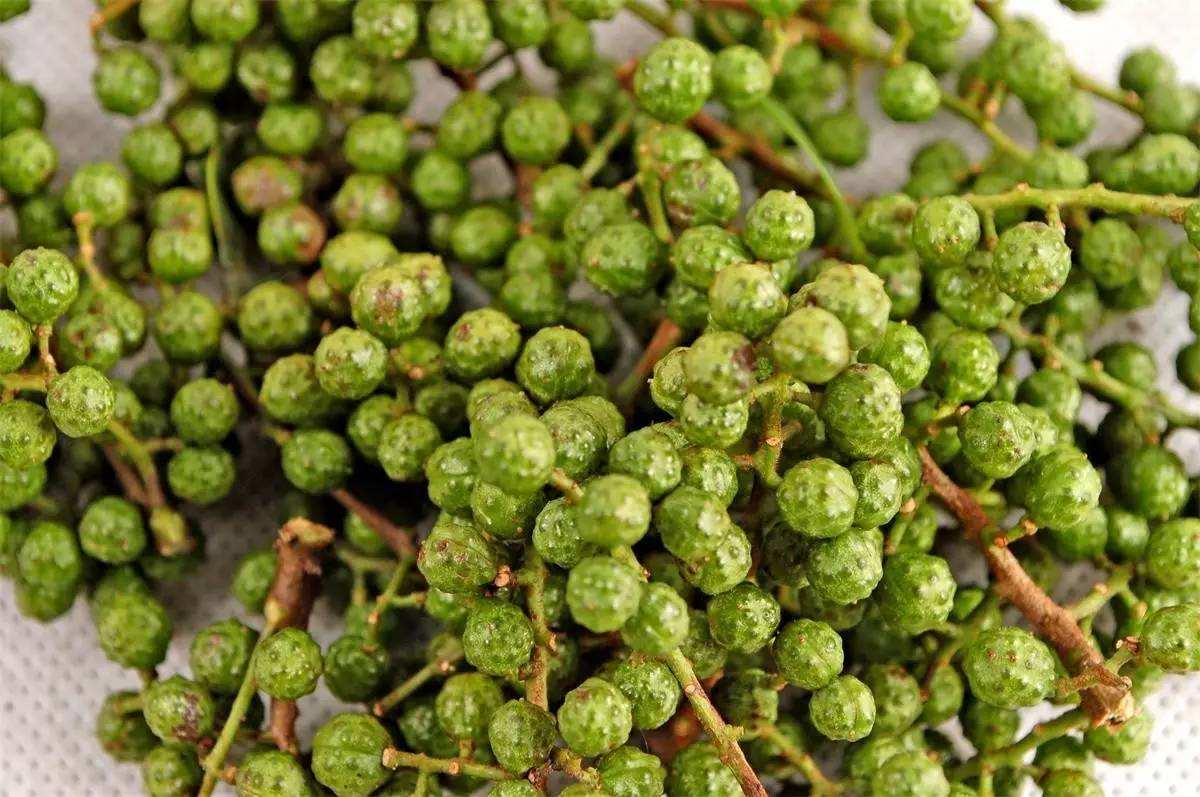
Green Sichuan Peppercorn Cold Storage Methods and Temperature Requirements
1. Harvesting
For better storage and preservation of green Sichuan peppercorns, harvesting should preferably be carried out on sunny or cloudy days.
Harvesting during rainy weather should be avoided to prevent excess moisture from accumulating on the fruit, which may increase the risk of decay during storage.
2. Sorting and Grading
After harvesting, green Sichuan peppercorns should be sorted and graded according to size and quality.
Diseased, pest-damaged and deformed peppercorns should be removed before storage to reduce the risk of quality deterioration and spoilage.
3. Pre-Cooling
Pre-cooling is an essential step in preserving green Sichuan peppercorns.
Its main purpose is to reduce the respiration rate of the harvested product. Without proper pre-cooling, the outer skin of green Sichuan peppercorns may develop browning and discoloration, and unpleasant musty odors may occur.
Forced-air cooling is recommended as a suitable pre-cooling method.
The pre-cooling period should not exceed 48 hours, and the actual cooling time should be determined according to the product condition and cooling requirements.
4. Cold Storage
The recommended cold storage temperature for green Sichuan peppercorns is approximately 1–2°C.
The temperature inside the cold storage room should remain stable. For safe storage, the recommended temperature control range is approximately ±1°C, and temperature fluctuations should preferably not exceed 1°C.
Excessive temperature fluctuations may increase the risk of mold growth, darkening, discoloration and fruit decay.
Relative humidity is also an important factor affecting moisture retention, nutritional quality and flavor.
The recommended relative humidity for green Sichuan peppercorn storage is approximately 80–90%.
If the humidity inside the cold room is insufficient, a conventional air humidifier or microwave air humidifier can be used to help maintain stable humidity levels.
For controlled-atmosphere storage, the recommended gas concentrations are:
- Oxygen (O₂): 5–10%
- Carbon dioxide (CO₂): 5–10%
Under these storage conditions, green Sichuan peppercorns may be preserved for approximately 30–45 days.
After storage, the fruit can maintain its original color, characteristic numbing flavor and overall quality with no significant deterioration. The reported product loss rate can be as low as approximately 6.5%, depending on storage conditions and product quality.
Important Note: Ventilation During Long-Term Storage
During storage, green Sichuan peppercorns may produce undesirable compounds associated with tissue deterioration, including acetaldehyde, ethanol and lactic acid.
Therefore, regular ventilation is recommended during extended storage to help prevent the accumulation of these substances.
The suggested ventilation schedule is:
- Ventilate every 12 hours.
- Each ventilation period should last approximately 2 hours.
The actual ventilation frequency and duration should be adjusted according to product condition, gas concentration monitoring and storage requirements.