 Haocool

If you grow apples for export, you already know the problem. Without proper cold storage, 20 to 30 percent of your crop can disappear to spoilage, shrivelling, and quality loss before it ever reaches a buyer.
But when you are planning your investment, do not get stuck on “price per square metre.” The real question is: how many tons of apples can I store safely, and for how many months, without losing crispness, colour, or market value?
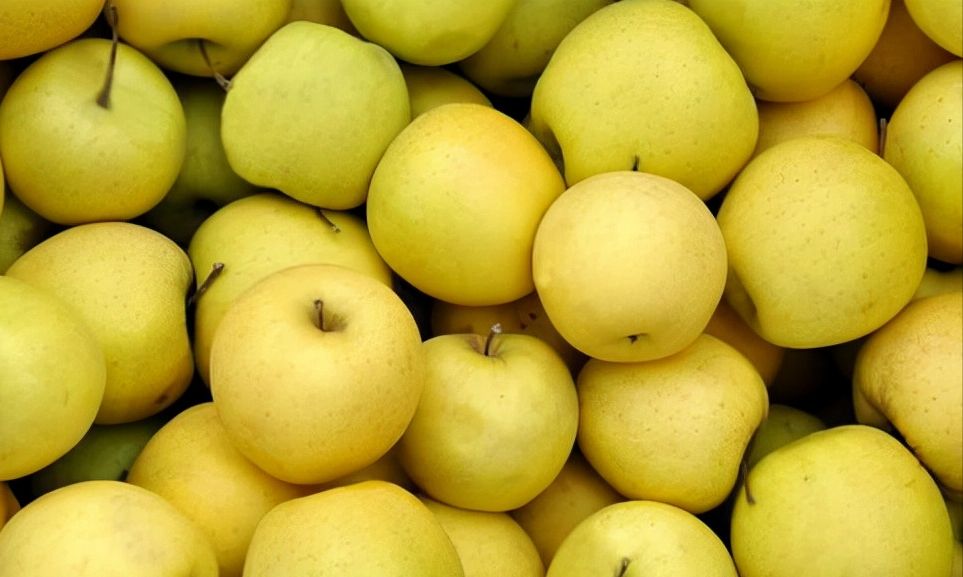
How Many Tons of Apples Fit in a Cold Room?
Apples are typically stored in standard wooden bins weighing 400 to 500 kilograms each, or in plastic crates stacked on pallets. With proper racking and space for air circulation, the storage density works out to roughly 4.0 to 5.0 cubic metres per metric ton.
Assuming a clear height of 5 metres, here is what that looks like in practice:
| Floor Area | Volume | Apple Storage Capacity |
|---|---|---|
| 100 m² | 500 m³ | 100 – 125 tons |
| 200 m² | 1,000 m³ | 200 – 250 tons |
| 1,000 m² | 5,000 m³ | 1,000 – 1,250 tons |
A 1,000‑square‑metre cold room can hold over 1,000 tons. That is enough for a large orchard’s entire premium harvest, stored for two to six months depending on the variety and the technology you choose.
What Does an Apple Cold Storage Cost?
To achieve long‑term storage without scald or shrivelling, you need precise control – not just cooling. The cost depends on the level of control you need.
A basic chilled room at 0°C to 2°C costs roughly $18,000 to $25,000 for a 100‑square‑metre unit. It is good for local markets and short‑term storage of two to three months, but it does not have gas control.
A standard controlled atmosphere room – with 0°C temperature, 90 to 95 percent humidity, oxygen at 2 to 3 percent, and carbon dioxide below 1 percent – costs $32,000 to $42,000 for the same size. This is ideal for Fuji, Gala, and Granny Smith apples and extends storage to five to six months.
For longer storage, an advanced CA room with ethylene scrubbing and automated gas control costs $60,000 to $78,000 for a 200‑square‑metre facility. This can keep apples for six to eight months.
A large‑scale CA facility at 1,000 square metres runs $260,000 to $340,000, with multi‑zone control, remote monitoring, and validation‑ready systems. Storage life can reach six to nine months.
All these prices are turnkey – panels, refrigeration, controls, installation, and commissioning are included. They do not include the civil foundation, but they do include insulated flooring, drainage, and lighting. The systems are engineered for high‑ambient climates, like the 40°C summers you see in Tashkent or Tehran.
Controlled Atmosphere – Why It Is Worth the Extra Investment
The difference between a regular cold room and a controlled atmosphere system shows up in the numbers.
A regular cold room gives you two to three months of storage. Firmness drops rapidly after 60 days, and you have limited market flexibility – you have to sell when the market is ready, not when prices are best.
A CA room gives you six to eight months. Firmness retention stays above 90 percent after 180 days. You can hold your crop through the low‑price period and sell during peak demand.
Yes, CA costs 40 to 60 percent more upfront. But it turns seasonal risk into year‑round profit.
If you need longer storage cycles and higher quality assurance, feel free to explore our controlled atmosphere storage solutions.
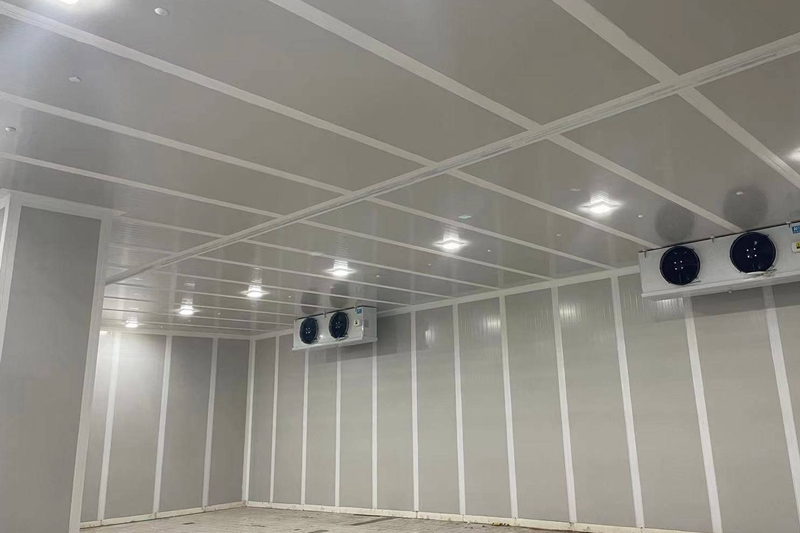
Real Projects – What Works in Key Apple Regions
In Namangan, Uzbekistan, an export cooperative needed to store 900 tons of Golden Delicious apples for EU shipment. We designed an 800‑square‑metre CA cold room at 0°C with 92 percent humidity and an ethylene scrubber. The total investment was $225,000. The apples arrived in Europe at Class I quality after 45 days of sea freight. The cooperative sold in August at 2.5 times the harvest price.
That is the difference a properly designed storage facility makes.