 Haocool

Author: Li Sen, Senior Fruit Cold Chain Engineer
12 years of professional experience in tropical fruit cold storage & CA system design. Completed over 30 banana cold storage projects across Ecuador, Philippines, Côte d’Ivoire and GCC Middle East markets. Member of Global Cold Chain Alliance (GCCA).
Introduction
Banana is a typical climacteric tropical fruit with ultra‑high ethylene release and extreme cold sensitivity. For exporters, importers and fruit wholesale hubs, improper cold storage will lead to massive peel browning, premature ripening or total spoilage, eroding seasonal profit spreads.
This guide complies with UC Davis Postharvest Center & GCCA banana storage standards, covering temperature/humidity/CA gas parameters, real warehouse capacity calculation, regional turnkey cost breakdown, authentic Middle East import project ROI analysis and common operational mistakes.
1 Scientific Storage Standards: Green vs Ripened Banana
1.1 Conventional Single‑Temp Cold Storage (Air Circulation Room)
Critical warning on chilling injury (UC Davis 2026 test data):
Green bananas suffer irreversible smoky peel browning if stored below 13℃ for over 24h; exposure ≤10℃ triggers severe vascular browning, fruit cannot ripen normally after warming up.
| Maturity Stage | Stable Storage Temp | Relative Humidity | Maximum Safe Shelf Life | Core Risk If Out Of Range |
|---|---|---|---|---|
| Mature Green Banana (Export Stock) | 13–14℃ (±0.5℃ fluctuation limit) | 85–95% RH | 25–35 days | Temp>16℃: Rapid ethylene accumulation & premature yellowing; Temp<13℃: Permanent chilling injury |
| Fully Ripened Ready‑to‑Sell Banana | 12–13℃ | 85–95% RH | 7–10 days | Low humidity: Peel shrivel & weight loss |
1.2 Controlled Atmosphere (CA) Storage For Long‑Distance Ocean Export
Mechanical CA system adjusts O₂ & CO₂ to suppress respiration and ethylene synthesis, extending shelf life by 30%–60% compared with ordinary cold rooms.
| Gas Index | Standard Operation Range | Upper Safety Threshold | Effect |
|---|---|---|---|
| Oxygen (O₂) | 2–5% | ≤1% causes off‑flavor pulp | Slow down ripening metabolism |
| Carbon Dioxide (CO₂) | ≤1% | Over 7% leads to internal tissue damage | Inhibit mold growth |
1.3 Core Ethylene Control Rules
- Bananas continuously release ethylene; strictly separate storage from apples, avocados, tomatoes, mangoes to avoid cross‑ripening.
- Daily forced air circulation for 1–2 hours to dilute accumulated ethylene; large warehouses install catalytic ethylene scrubbers or activated carbon adsorbent.
- Pre‑treat banana bunches with 1‑MCP before storage to cut ethylene generation by over 65%.
2 Pre‑Cooling Standard SOP (Mandatory Before Storage)
Most banana spoilage originates from ignoring field heat removal:
1. Harvest & sorting must finish within 12 hours, discard bruised, crown rot, over‑mature fruit.
2. Forced‑air pre‑cool target: Reduce fruit core temperature to 14–15℃ within 18 hours post picking.
3. Pallet stacking rule: Leave 10cm gap between cartons and warehouse walls for uniform airflow, avoid local hot zones.
4. Ban direct cold air blow onto fruit surface to prevent local dehydration.
3 Real Storage Capacity Calculation (With Pallet & Aisle Deduction)
Standard export specification: 13.5kg per carton; 40–48 cartons per standard wooden pallet (540–650kg/pallet).
Calculation deducts 35%–40% space for loading aisles, air coolers and operation passages (no overestimated empty volume data).
| Warehouse Nominal Capacity | Floor Area | Effective Internal Volume | Total Storable Export Cartons |
|---|---|---|---|
| Small 300‑ton Banana Warehouse | ~600 ㎡ | 2,700 m³ | 22,000 – 25,000 cartons |
| Medium 600‑ton Banana Warehouse | ~1,100 ㎡ | 5,000 m³ | 44,000 – 50,000 cartons |
| Large 1,000‑ton Banana Warehouse | ~1,800 ㎡ | 8,300 m³ | 73,000 – 83,000 cartons |
Industry mainstream design: Single constant temperature zone (13℃ ±0.5℃) with EC energy‑saving fans to eliminate uneven cooling and black fruit tips.
4 Turnkey Construction Cost Breakdown (USD, 2026 Global Standard)
Full package includes 100mm B1 fire‑rated PU insulated panels, variable frequency refrigeration unit, automatic humidifier, temperature/humidity data logger; ethylene monitoring system as optional upgrade.
Excludes land, concrete foundation, external power transformation and municipal pipeline connection fees.
| Nominal Storage Capacity | Full Turnkey Total Cost | Standard Configuration Highlights |
|---|---|---|
| 300 tons | 95,000 – 120,000 USD | Manual data recording, basic constant temp control |
| 600 tons | 160,000 – 200,000 USD | Cloud remote monitoring, SMS over‑temperature alarm, automatic humidity adjustment |
| 1,000 tons | 240,000 – 310,000 USD | Full automatic CA gas control, standby power docking, mobile remote access system |
All refrigeration systems are customized to adapt tropical & Middle East ambient temperature up to 45℃ and high monsoon humidity.
5 Authentic Commercial Project Case: 600‑Ton Banana Cold Storage in Jeddah, Saudi Arabia
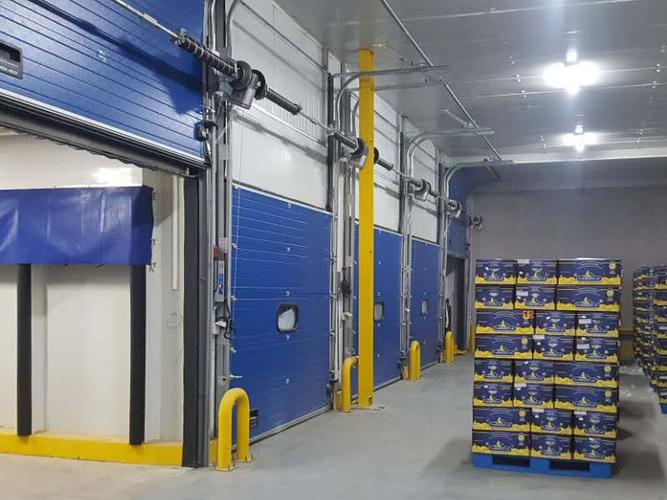
Basic Project Info
- Operator: GCC regional large fruit import & distribution enterprise
- Core demand: Stock massive green bananas to cover Ramadan consumption peak, eliminate expensive emergency air freight cost
- Warehouse scale: 1,100 ㎡ single‑temperature cold room, stable 13.5℃ operation with full humidity & ethylene removal equipment
- Total turnkey investment: 202,000 USD
Measurable Post‑Operation Benefits
- Extend safe banana holding cycle by 20 days, avoid rush air freight expenditure of over 300,000 USD per peak season.
- Postharvest spoilage rate reduced from original 22% down to below 7%.
- Annual net profit growth from seasonal price difference & loss control: 115,000–140,000 USD.
- Verified full investment payback period: 1.8 harvest seasons.
Local regional optimization: Oversized condenser installed to resist 42℃ summer outdoor temperature, cutting daily power consumption by 16%.
6 Common Operation Mistakes Leading To Mass Banana Loss
- Store bananas below 12℃ for long term → irreversible chilling injury, whole batch loses export value.
- Mix ethylene‑producing fruits inside the same cold room → all bananas ripen unevenly in advance.
- Skip pre‑cooling step, directly load hot field‑harvested fruit → internal temperature surge triggers mold & rot.
- Tightly stack pallets without ventilation gaps → local hot spots cause uneven yellowing.
- Rarely ventilate warehouse, ethylene accumulates to high concentration → accelerated softening.
- Humidity lower than 85% for long storage cycles → severe peel shrinkage and weight loss.
7 ROI Calculation Logic For Banana Cold Storage Investors
Core Calculation Formula
Annual Net Profit = (Seasonal Price Spread Income + Spoilage Loss Saving) − Annual Operating Cost (electricity, labor, maintenance)
Annualized ROI = (Annual Net Profit / Total Turnkey Investment) × 100%
Key Income Sources
- Off‑season price premium by stockpiling green bananas during low‑price harvest season;
- Spoilage cost reduction compared to ordinary temporary storage;
- Extra service revenue from banana ripening processing for retail clients.
Cost Reminder
Major fixed expenditure: Daily power consumption 0.9–1.3 kWh per ton; monthly equipment maintenance & sensor calibration fee.
8 FAQ For Banana Exporters & Cold Storage Investors
Q1 Can ordinary air cold storage achieve 40+ days storage for ocean export?
A: No. Regular single‑temp rooms only support maximum 35 days. Cross‑border sea freight over 30 days requires matched CA controlled atmosphere equipment to extend shelf life to 45–60 days.
Q2 What is the cheapest way to control ethylene in small banana cold rooms?
A: Deploy activated carbon ethylene adsorption bags inside each pallet, and perform full warehouse ventilation once every 24 hours; large‑scale warehouses recommend automatic catalytic scrubbers for long‑term cost savings.
Q3 Why cannot we set banana storage temperature to 10℃ for longer holding?
A: Per UC Davis postharvest test, green bananas exposed below 13℃ will generate irreversible peel browning substances. Even if reheated to normal temp later, fruit peel remains dull smoky black and cannot be sold as premium fresh fruit.
Q4 What supporting facilities must be equipped for tropical banana origin cold storage?
A: Forced‑air pre‑cool zone, automatic humidity adjustment system, ethylene removal device, air curtain buffer doors to block hot air inflow, and real‑time temperature traceability sensors.
Custom Cold Storage Quote Inquiry
If you plan to build banana dedicated cold storage or CA controlled atmosphere warehouse in Latin America, Southeast Asia and GCC Middle East markets, send the following information for accurate layout drawing and detailed budget quotation:
1. Monthly banana storage volume (tons or export cartons)
2. Target sales market (EU, GCC, local wholesale retail)
3. Local power supply stability & average summer ambient temperature
4. Demand for ordinary air storage or long‑distance export CA system
Our engineering team will provide customized capacity planning, full cost breakdown and estimated annual ROI report free of charge.