 Haocool

If you grow or trade green peppers, you know the problem well. Peppers are delicate. They lose moisture quickly, and even in a regular cold room, they start to shrivel and lose quality within a few weeks.
A controlled‑atmosphere (CA) cold room changes that. By adjusting the oxygen and carbon dioxide levels inside the storage space, you can slow down the peppers’ respiration rate dramatically. The result is fresh‑looking, firm peppers that last two to three months – long enough to wait out the price lows and sell when the market is strong.
Here is what you need to know about CA storage for green peppers, including the optimal conditions, storage capacity, cost, and energy consumption.
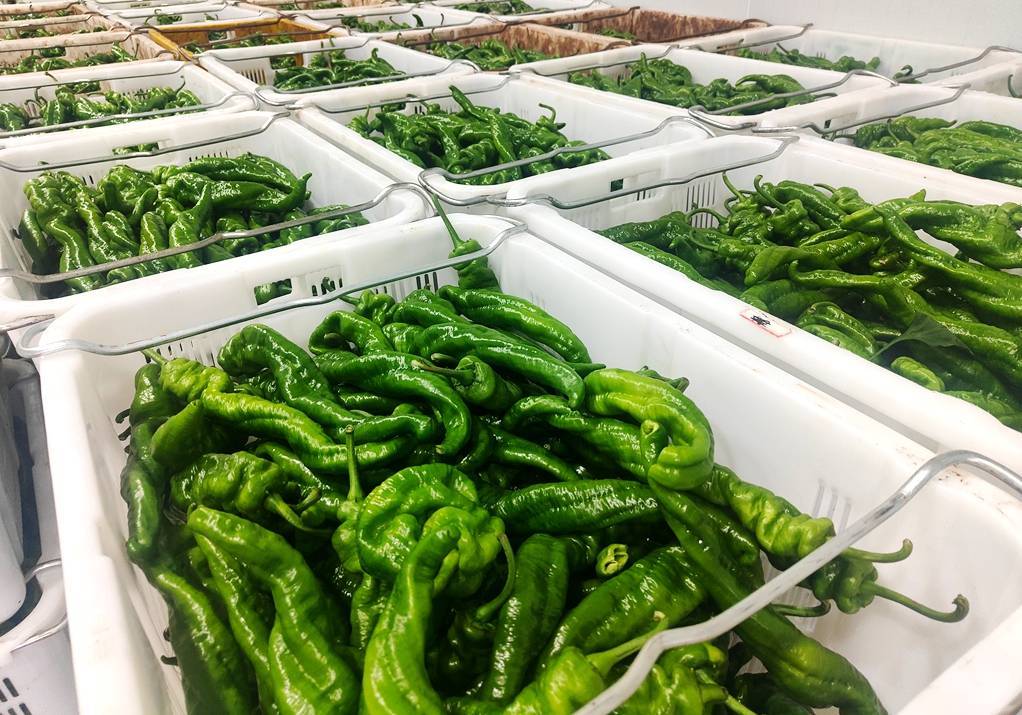
What Are the Right Storage Conditions for Green Peppers?
Green peppers have specific requirements. They do not store well at very low temperatures – chilling injury sets in below 8°C. They also need high humidity to prevent shrivelling, and they respond well to reduced oxygen levels.
| Parameter | Recommended Value |
|---|---|
| Temperature | 8–12°C (fluctuation within ±2°C) |
| Relative humidity | 85–95% |
| Oxygen concentration | 3–5% |
| Carbon dioxide concentration | 1–5% |
Under these conditions, green peppers can stay fresh for 60 to 90 days while retaining the same appearance and firmness as fresh‑picked produce.
The temperature range is narrower than it looks. Above 12°C, peppers ripen quickly and lose quality. Below 8°C, they develop pitting and become susceptible to decay. The gas balance is also important – oxygen levels below 3 percent can cause off‑flavours, while carbon dioxide above 5 percent can damage the fruit.
How Much Can a Pepper CA Cold Room Hold?
The storage capacity depends on the size of the room and how the peppers are stacked. Here are some typical numbers for a CA cold room with a 4‑metre ceiling height.
| Facility Size | Storage Capacity |
|---|---|
| 100 m² | 40–50 tons |
| 500 m² | 200–250 tons |
| 1,000 m² | 400–500 tons |
These figures assume efficient pallet stacking with proper ventilation channels between the stacks. The actual capacity depends on the palletising method, packing density, and how often the stock is turned over.
How Much Does It Cost to Build a Green Pepper CA Cold Room?
The cost of a controlled‑atmosphere cold room varies by size and the level of automation. Typical construction costs run from $150 to $250 per cubic metre.
That price includes the insulation panels, refrigeration equipment, atmosphere‑control devices (oxygen and carbon dioxide regulation), humidity control, sensors, and electrical installation.
For a 100‑square‑metre room with a 4‑metre height – 400 cubic metres of volume – the total cost is roughly $60,000 to $80,000 USD.
For a 500‑square‑metre room – 2,000 cubic metres – the cost ranges from $300,000 to $400,000 USD.
These facilities operate year‑round, giving growers and wholesalers a stable supply window and reducing the risk of seasonal price drops.
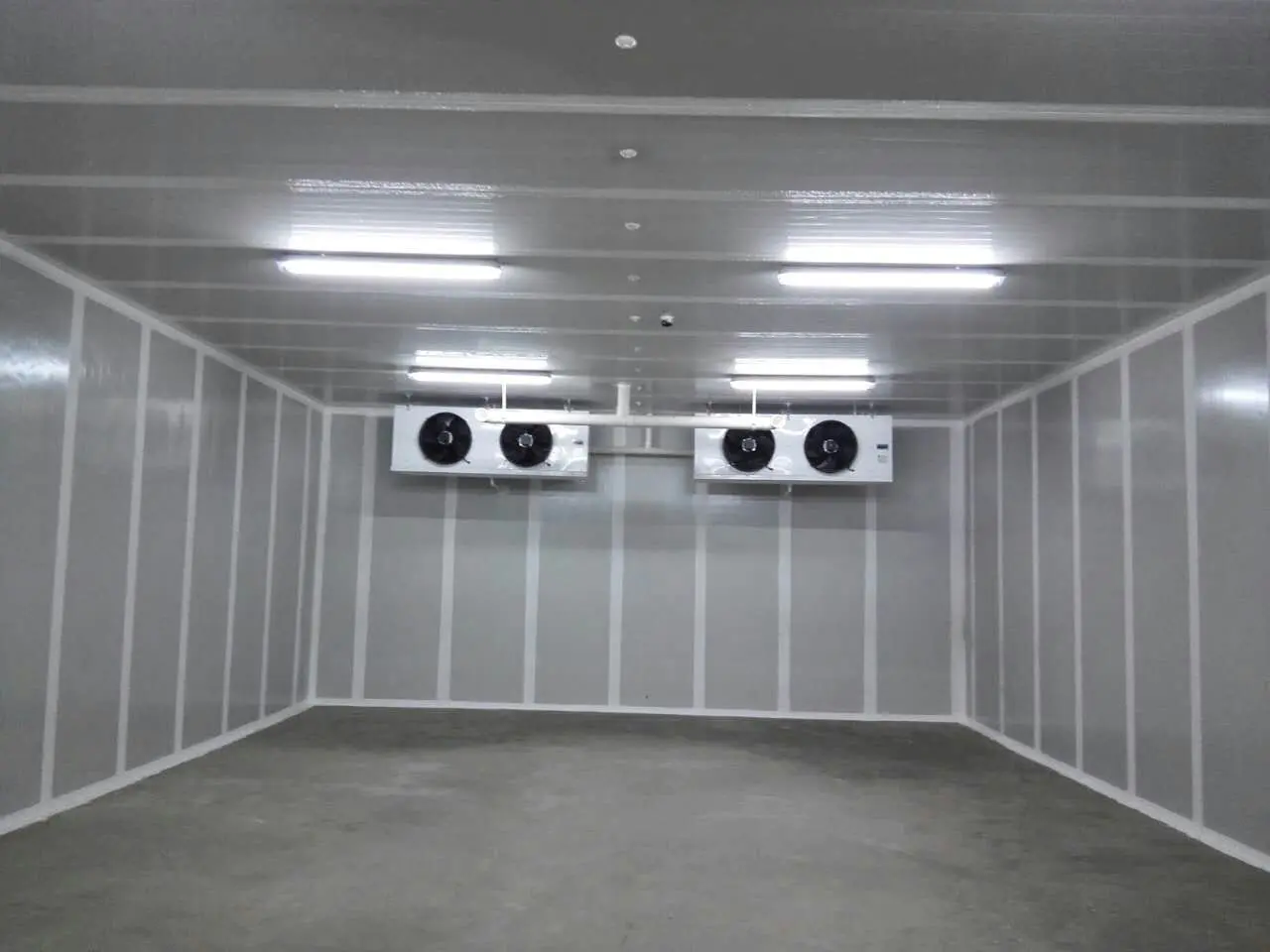
How Much Electricity Does a Pepper CA Cold Room Use?
Controlled‑atmosphere cold rooms are more energy‑efficient than regular cold rooms because the reduced oxygen levels slow down respiration. The refrigeration system does not have to work as hard to remove the heat that the peppers produce.
Typical consumption is 45 to 65 kWh per cubic metre per year. The actual number depends on the local climate, the quality of the insulation, and how often the room is opened.
Using high‑efficiency compressors and evaporators can reduce operating costs by 10 to 15 percent. So can a well‑designed humidity control system that avoids excess condensation.
Why Growers Choose CA Storage for Peppers
A properly designed CA cold room solves several problems at once. It prevents shrivelling by maintaining high humidity. It slows down ripening by controlling oxygen levels. It reduces decay by keeping temperature stable.
For large pepper suppliers, the benefits are clear: longer shelf life, lower storage losses, and the ability to supply customers consistently even when the harvest season is over.
The investment pays for itself through reduced waste and better timing in the market.