 Haocool

If you grow or trade pomelos, you already know the problem. The fruit has a short window for fresh sales, and prices fluctuate wildly depending on the season. Without proper storage, you are forced to sell everything at once, often at the lowest price of the year.
A well‑designed cold storage changes that. At the right temperature and humidity, pomelos can stay fresh for six to eight months. That gives you the flexibility to sell when prices are high, not just when the fruit is ready to pick.
But the first question is always the same: how much does it cost to build one?
Here is a practical breakdown of the factors that affect the price and what you can expect to pay for a pomelo cold storage facility.
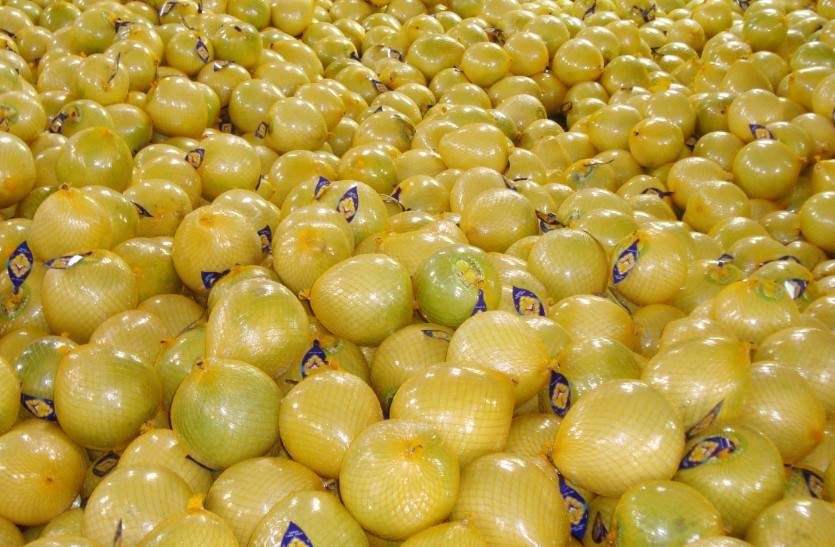
How Big Should Your Cold Storage Be?
The size of the facility is the most obvious cost driver. A larger room needs more insulation panels, a bigger refrigeration system, and more accessories. But there is a twist: very small cold rooms have a higher cost per cubic metre than medium‑sized ones, because the basic equipment (compressor, controls, doors) does not scale down proportionally.
For pomelos, a good rule of thumb is 4 to 5 cubic metres per ton of fruit. That includes space for pallets, aisles, and air circulation. So if you are planning to store 100 tons of pomelos, you are looking at roughly 400 to 500 cubic metres of storage volume.
Temperature and Humidity – Getting It Right
Pomelos store best at 3°C to 5°C with 85% to 90% relative humidity. At this range, respiration slows down, moisture loss is minimised, and the fruit stays fresh for months.
Lower temperatures are not better. Below 3°C, pomelos can develop chilling injury – the skin becomes pitted, and the flavour turns flat. Higher temperatures, on the other hand, speed up ripening and shorten shelf life.
The temperature requirement matters for cost because it determines the thickness of the insulation panels and the size of the refrigeration equipment. A room at 3–5°C is considered a medium‑temperature application, which is less expensive than a freezer at -18°C or below.
Insulation Panels – A Critical Choice
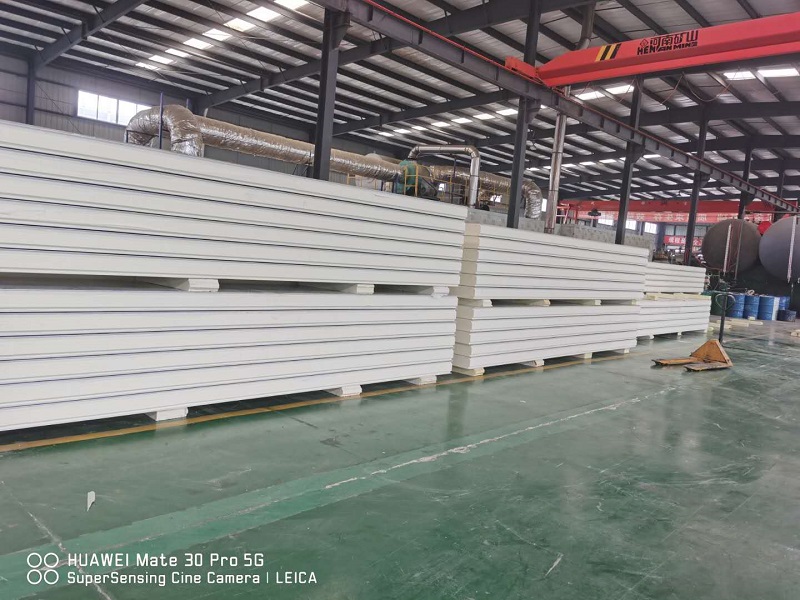
Most cold storages use either polyurethane (PU) or expanded polystyrene (EPS) panels. PU panels are more expensive, but they offer better thermal performance and last longer. EPS panels are cheaper but less effective, which means the refrigeration system has to work harder to maintain temperature.
For a pomelo cold storage, PU panels are the common choice. They provide consistent temperature control and lower operating costs over the life of the facility. The panel thickness is typically 100mm for a 3–5°C room, though hotter climates may require 120mm.
Refrigeration Equipment – The Heart of the System
The core refrigeration components include:
- A compressor
- A condenser
- An evaporator (air cooler)
- A control system
You have a choice between imported brands and local manufacturers. Imported equipment – like Bitzer, Copeland, or GEA – costs more upfront but is more reliable and energy‑efficient. Local brands are more affordable and usually adequate for standard applications.
For a medium‑temperature pomelo cold storage, the compressor size depends on the total cooling load, which is calculated from the room volume, ambient temperature, and insulation quality. A common configuration for a 1,000m³ room is a 10–15HP condensing unit.
Other Components That Add to the Cost
Beyond the main equipment, several other items affect the final price:
- Cooling towers or air‑cooled condensers
- Refrigerant piping and insulation
- Liquid receivers and separators
- Electrical wiring and control panels
- Cold room doors (sliding or swing type)
Each of these adds to the total budget, and the quantity and quality of these components depend on the size and complexity of the facility.
Installation and Labour Costs
Installation costs vary significantly by location. If the site is in a remote area, transport and logistics expenses are higher. Labour rates also differ between regions – building in a major city is usually more expensive than in rural areas.
Good installation is important because poor workmanship leads to air leaks, condensation, and higher energy consumption. It is worth hiring a contractor with experience in cold storage construction.
Location – Why It Matters
The geographic location of your cold storage affects both cost and design. In very hot climates, the refrigeration system needs to handle higher ambient temperatures, which may require oversized condensers or additional dehumidification. In cold climates, you may need to prevent the ground from freezing under the room – which adds insulation and possibly heating cables.
For export‑oriented growers, proximity to a port or major road is also a factor. Transport costs for equipment and materials increase with distance from urban centres.
Realistic Price Estimate
To give you a concrete figure, consider a 1,000m³ pomelo cold storage in China at 3–5°C. The total cost, including insulation panels, refrigeration equipment, controls, and installation, is typically in the range of $35,000 to $40,000 USD.
This is a general reference. The final price will depend on the specific brand of equipment, the quality of insulation panels, and the local labour market. In other countries, costs may be higher or lower depending on import duties, availability of materials, and local construction standards.