 Haocool

Red grapes are a popular fruit known for their firm, crisp texture, distinctive flavor and relatively high sugar content. However, after harvesting, their respiration rate and quality can change significantly. Under ordinary room-temperature conditions, red grapes may only remain fresh for approximately 5–7 days before softening and deteriorating.
Cold storage can extend the storage life of red grapes while helping maintain their moisture, flavor and sugar content. It also allows growers and distributors to store grapes during the harvest season and sell them during the off-season, increasing their commercial value and meeting consumer demand throughout the year.
This guide explains the harvesting, pre-cooling and cold storage methods for red grapes, together with the recommended temperature and humidity requirements.
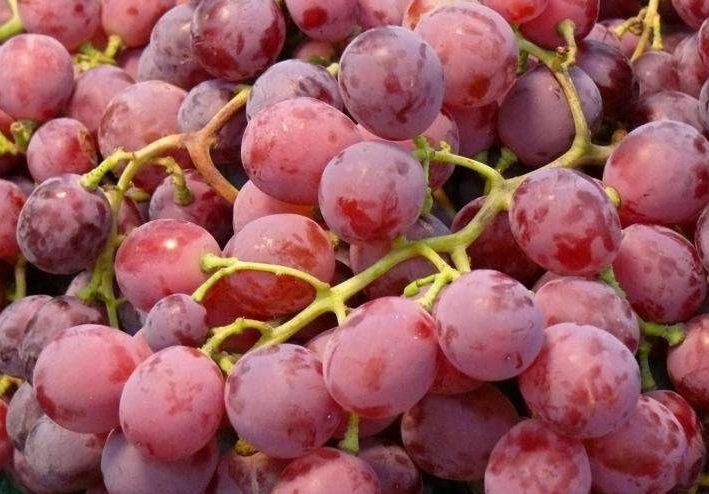
Red Grape Cold Storage Methods and Temperature Requirements
1. Harvesting
For better storage quality, red grapes should preferably be harvested after the morning dew has dried or during the cooler hours of the evening.
Manual harvesting is recommended where practical to reduce mechanical damage to the grapes.
Harvesting during rainy weather should be avoided, as excess moisture and wet fruit can increase the risk of decay during storage.
2. Sorting and Grading
After harvesting, red grapes should be sorted according to quality.
Grapes showing signs of disease, pest damage, deformation or mechanical injury should be removed before storage.
Careful sorting helps reduce the risk of spoilage spreading to healthy grapes and improves the overall quality of stored products.
3. Pre-Cooling
Pre-cooling is essential for maintaining the freshness of red grapes before they enter cold storage.
Forced-air cooling is recommended as a method of rapidly removing field heat.
According to the original storage recommendation, the pre-cooling temperature should be maintained at approximately -1°C to -2°C, and the pre-cooling period should not exceed 24 hours.
The actual pre-cooling temperature and duration should be confirmed according to the grape variety, fruit condition and freezing-point characteristics to avoid freezing injury.
4. Cold Storage Requirements
The recommended cold storage temperature for red grapes is approximately -1°C to 0°C.
The temperature inside the storage room should remain stable, with fluctuations preferably kept within 0.5°C.
Excessive temperature fluctuations may cause condensation on the fruit surface, increasing the risk of mold growth and fruit deterioration.
Relative humidity is also important for maintaining grape moisture and preventing softening and shriveling caused by water loss.
The recommended relative humidity for red grape cold storage is approximately 90–95%.
If humidity is insufficient, appropriate humidification methods can be used to help maintain stable conditions inside the cold storage room.
Under the storage conditions described above, red grapes may be stored for approximately 1.5–2 months.
With proper harvesting, sorting, pre-cooling and temperature and humidity management, the grapes can retain a flavor and moisture level largely comparable to their original condition at the time of storage. The reported marketable fruit rate can reach approximately 90%, depending on the grape variety, initial quality and storage conditions.
“`