 Haocool

Honey has hygroscopic properties, meaning it can absorb moisture and odors from its surrounding environment. It may also undergo fermentation if it is not stored properly. Improper storage can therefore cause honey to deteriorate and lose its original quality.
To preserve honey for an extended period, cold storage can help maintain its quality and extend its storage life. This guide introduces the cold storage methods, preservation techniques and temperature requirements for long-term honey storage.
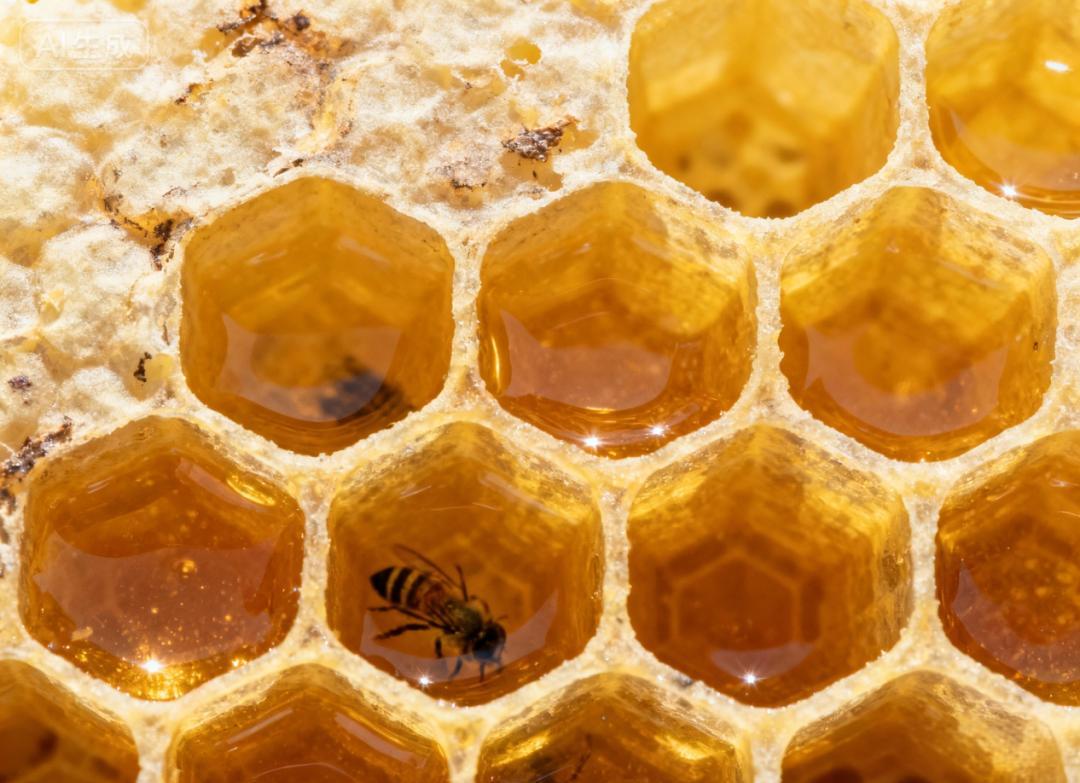
Honey Cold Storage Methods and Temperature Requirements
1. Store Honey Separately According to Its Floral Source
Different varieties of honey have different colors, aromas and nutritional characteristics.
Before placing honey into cold storage, it should be classified and stored separately according to its floral source. This helps prevent different varieties from mixing or transferring odors, which could affect the original flavor and quality of the honey.
2. Prevent Fermentation
Honey naturally contains certain types of yeast.
When temperature and moisture conditions are suitable, these yeasts may grow and reproduce, causing fermentation. This can make the honey acidic and negatively affect its taste.
Proper temperature control and moisture management are therefore important for long-term honey storage.
3. Reduce Excess Moisture Before Storage
If the moisture content of honey is relatively high, moisture reduction should be considered before storage.
The original storage method recommends placing the honey in wide-mouth containers and leaving them uncovered in a dry, well-ventilated indoor environment at approximately 25°C for several days to allow excess moisture to evaporate before placing the honey into storage.
However, any moisture-reduction process should be carried out under appropriate hygienic conditions to prevent contamination or further moisture absorption.
4. Temperature and Humidity Requirements for Honey Cold Storage
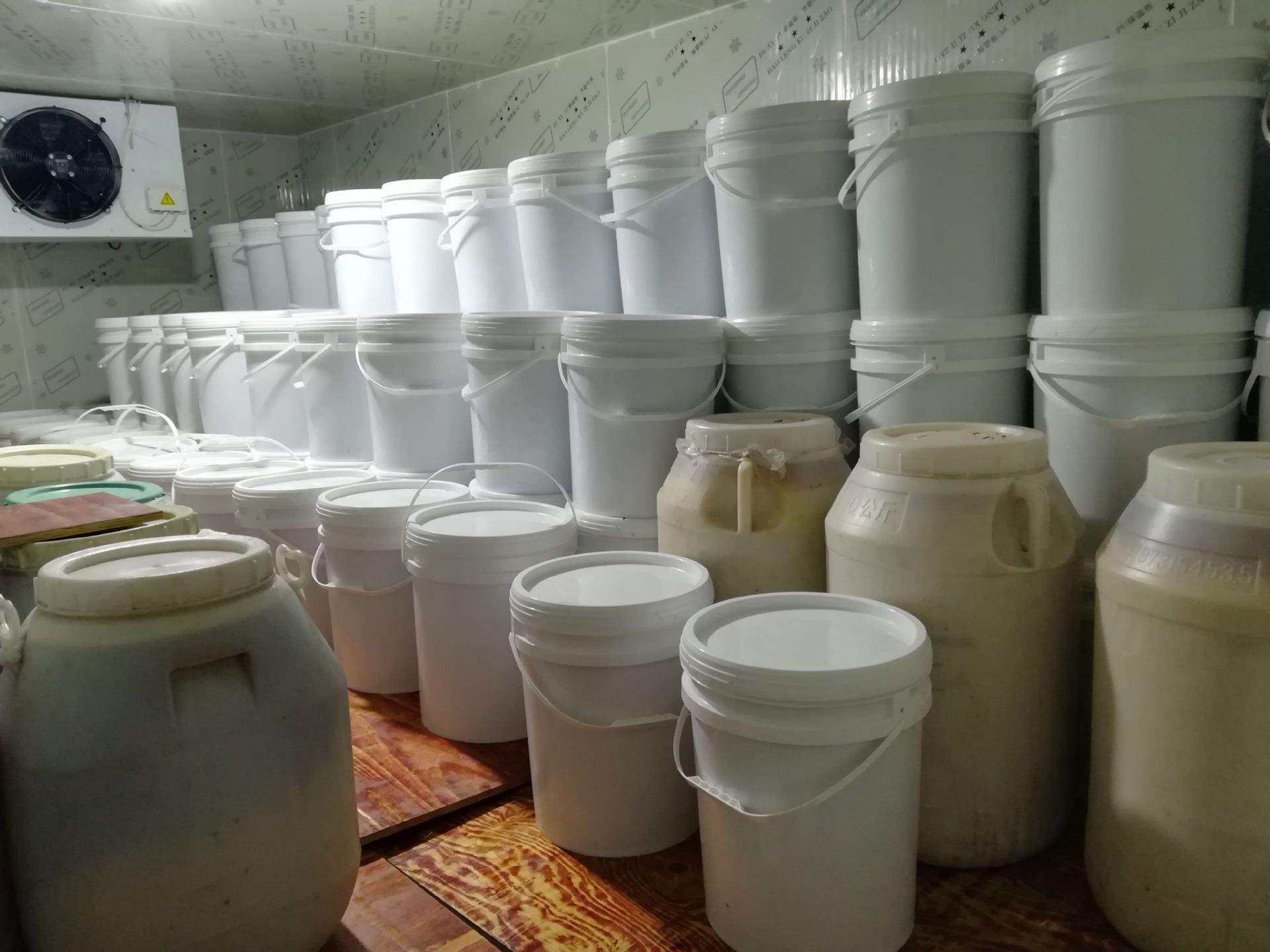
View of the interior of a cold storage facility filled with honey
The recommended cold storage temperature for honey in this method is approximately -18°C.
The temperature inside the cold storage room should remain stable, with fluctuations preferably kept within 3°C.
Honey may crystallize during low-temperature storage. Crystallization is a physical change rather than a chemical reaction, so it does not necessarily mean that the honey’s original composition has deteriorated.
Honey also has a strong ability to absorb moisture from the surrounding air. Excessive moisture absorption can increase the risk of fermentation and quality deterioration.
Therefore, the recommended relative humidity inside the honey cold storage facility is approximately 80%.
The containers used to store honey should be tightly sealed to prevent contact with ambient air and reduce moisture absorption, which could otherwise affect honey quality and preservation.
If the humidity inside the cold storage room becomes excessively high, appropriate ventilation can be used to help maintain stable environmental conditions.
Under the storage method described above, honey may be stored for up to approximately five years, depending on its initial moisture content, quality, packaging, sealing conditions and storage environment.