 Haocool

Strawberries are among the most popular fruits worldwide—and among the most perishable. Naturally ripened strawberries typically have a shelf life of only 3–5 days at room temperature. For commercial growers, distributors, and exporters, finding the right preservation method is critical to maintaining fruit quality and reducing post-harvest losses.
This guide provides a complete breakdown of strawberry cold storage methods, key parameters, cost considerations, and best practices for commercial operations.
Strawberry Cold Storage: Key Parameters
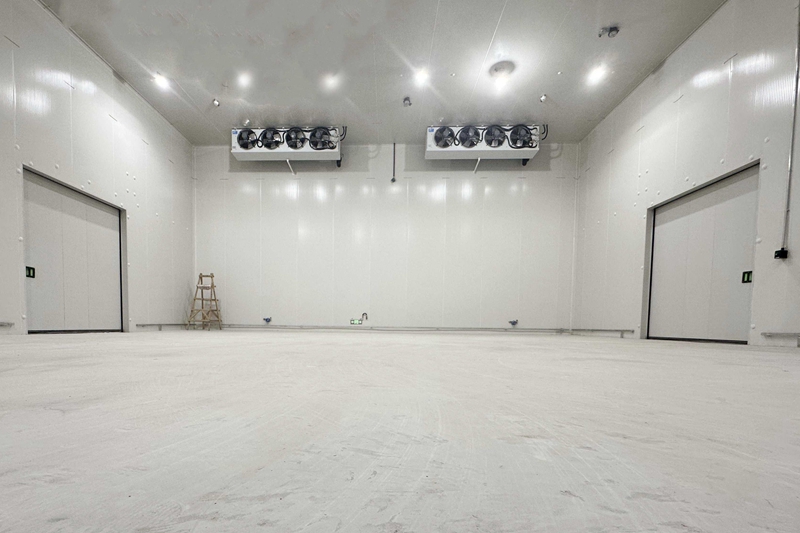
| Parameter | Recommended Value | Why It Matters |
|---|---|---|
| Storage Temperature | 0°C (–1°C to 1°C acceptable) | 0°C provides the longest shelf life |
| Relative Humidity | 90–95% RH | Prevents dehydration and wilting |
| Freezing Point | 0.6°C to –0.8°C (varies by sugar content) | Below freezing causes tissue damage |
| Minimum Safe Temperature | Do not go below –3°C | Below –3°C for 3–4 days causes chilling injury |
⚠️ Critical Warning: The freezing point of strawberries ranges from 0.6°C to –0.8°C, depending on total soluble solids content. Storing strawberries below –3°C for just 3–4 days will cause irreversible chilling injury.
Four Preservation Methods Compared
| Method | Temperature | Shelf Life | Best For | Cost Level |
|---|---|---|---|---|
| Ambient Storage | Room temperature | 1–3 days | Immediate retail sale | Lowest |
| Refrigerated Storage | 0°C, 90–95% RH | 6–9 days | Local distribution | Low–Medium |
| Controlled Atmosphere (CA) | 0°C, 5–10% O₂ + 15–20% CO₂ | 10+ days | Export, long-distance transport | Medium–High |
| IQF Freezing | –35°C to –40°C | 12–18 months | Long-term storage, export | High |
Pre-Cooling: The Most Critical Step
Pre-cooling is arguably more important than the cold room itself. Strawberries should be pre-cooled within 2–4 hours of harvest. Delaying pre-cooling by just one hour can reduce shelf life by one day.
Pre-Cooling Methods
| Method | Effectiveness | Best For |
|---|---|---|
| Forced Air Pre-Cooling (FAPC) | Most effective | Commercial operations |
| Cold Room Pre-Cooling (CRPC) | Effective | Smaller operations |
| Ice/Fluid Cooling | Limited | Emergency cooling |
💡 Pro Tip: Pre-cool strawberries to 0–2°C as quickly as possible after harvest. The faster you cool them, the longer they will last.
Refrigerated Storage (0°C)
Refrigerated storage is the most common method for short-to-medium term strawberry preservation.
Key Requirements
- Temperature: 0°C (consistent, no fluctuations)
- Humidity: 90–95% RH
- Airflow: Gentle, uniform circulation to prevent moisture pockets
- Packaging: Perforated plastic films or clamshells with ventilation
Expected Shelf Life
At 0°C with 90–95% RH, strawberries typically last 6–9 days. Under optimal conditions with disease-free fruit, they can last up to 7 days.
⚠️ Important: Do not store strawberries at temperatures above 0°C for extended periods. At 5°C, shelf life drops significantly.
Controlled Atmosphere (CA) Storage
For exporters and distributors shipping strawberries over long distances, CA storage provides an additional 2–4 days of shelf life.
Recommended Gas Composition
| Gas | Recommended Level | Purpose |
|---|---|---|
| O₂ | 5–10% | Reduces respiration rate |
| CO₂ | 15–20% | Inhibits mold growth, delays senescence |
Benefits of CA Storage
- Extended shelf life: 10+ days vs. 6–9 days in regular cold storage
- Reduced weight loss: CA conditions significantly reduce moisture loss
- Fungal suppression: High CO₂ (20%+) effectively inhibits Botrytis cinerea (gray mold)
💡 When to choose CA: If you’re exporting strawberries by sea freight (2–4 weeks), CA storage is essential to maintain quality through the journey.
IQF Freezing: Long-Term Storage Solution
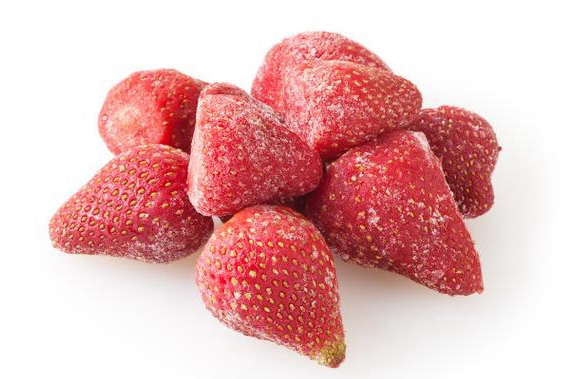
Real scene of strawberries in low-temperature quick-frozen cold storage
For growers and processors who need to store strawberries for 12–18 months, Individual Quick Freezing (IQF) is the standard solution.
The IQF Process
- Selection & Preparation: Choose strawberries at about 80% maturity, free of damage. Remove stems and leaves, rinse gently, and air dry.
- Pre-Cooling: Cool strawberries to 5°C before entering the freezer.
- Quick Freezing: Freeze at –35°C to –40°C until the fruit core reaches –15°C.
- Packaging & Storage: After freezing, pack and store at –18°C.
Temperature vs. Shelf Life Relationship
| Storage Temperature | Shelf Life |
|---|---|
| –18°C | 14–18 months |
| –15°C | Quality deterioration evident in 20 weeks |
| –12°C | Quality lost within 6 weeks |
Defrosting Guidelines
When removing from storage, thaw frozen strawberries slowly at 5–10°C for 80–90 minutes to restore optimal texture and flavor.
Cold Room Investment Costs (Reference)
| Facility Size | Application | Temperature | Estimated Investment (USD) |
|---|---|---|---|
| 50–100 m² | Small farm cold storage | 0°C | $15,000–25,000 |
| 200–500 m² | Medium distributor cold storage | 0°C + CA | $50,000–120,000 |
| 300–500 m² | IQF line + cold storage | –35°C to –18°C | $150,000–350,000 |
💡 Note: These are estimates based on using an existing building shell. Actual costs vary by location, equipment brand, and specific requirements.
Frequently Asked Questions
Q1: How long can strawberries last in a 0°C cold room?
At 0°C with 90–95% RH, strawberries typically last 6–9 days. With CA storage (5–10% O₂ + 15–20% CO₂), shelf life can extend to 10+ days.
Q2: What humidity is required for strawberry cold storage?
Strawberries require 90–95% relative humidity. Lower humidity causes dehydration and wilting; higher humidity promotes mold growth.
Q3: Is controlled atmosphere (CA) storage worth the extra investment?
For local distribution, probably not. For export or long-distance transport, CA storage is essential. The 2–4 extra days of shelf life can make the difference between a profitable export shipment and a rejected one.
Q4: How long can IQF frozen strawberries be stored?
At –18°C, IQF strawberries maintain quality for 12–18 months. At –15°C, quality deterioration becomes evident within 20 weeks.
Q5: What happens if strawberries are stored below –3°C?
Strawberries stored below –3°C for more than 3–4 days will suffer chilling injury—tissue damage, loss of texture, and accelerated decay upon thawing.
Q6: What’s the difference between a strawberry cold room and a general fruit cold room?
Strawberries require 0°C and 90–95% RH, while many other fruits (e.g., apples at –1°C to 4°C, mangoes at 10–13°C) require different temperatures. A general fruit cold room may not provide the precise conditions strawberries need.
Ready to Build Your Strawberry Cold Storage?
Whether you need a 0°C cold room for local distribution, a CA storage facility for export, or an IQF line for long-term preservation, the right cold storage solution can dramatically reduce post-harvest losses and open new markets.
Tell us:
✅ Your annual strawberry volume and peak season
✅ Target markets (local, regional, or export)
✅ Desired storage duration (days, weeks, or months)
We’ll send you a free layout + cost estimate—customized for your specific needs.