 Haocool

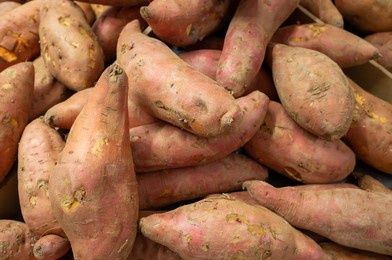
Sweet potatoes are one of the most widely grown staple crops in the world. They are nutritious, versatile, and store relatively well compared to many other vegetables. But “relatively well” does not mean you can just pile them in a shed and forget about them. Without proper storage, losses can be staggering.
According to FAO studies, inadequate storage causes 30 to 50 percent spoilage in developing regions. That is a massive waste of food and money. Modern cold storage technology changes the equation – it extends market availability to eight months or more, enables off-season premium pricing, and reduces waste to under 4 percent.
Here is a practical guide to sweet potato cold storage, from the optimal conditions to the pre-storage steps that make the difference between a profitable season and a loss.
The Gold Standard: Commercial Refrigerated Storage
Sweet potatoes are sensitive to both temperature and humidity. Getting these parameters right is the key to long-term storage.
| Factor | Optimal Range | Critical Impact |
|---|---|---|
| Temperature | 2–8°C (35.6–46.4°F) | Prevents chilling injury and sprouting |
| Humidity | 80% ± 5% RH | Minimises weight loss and shrivelling |
| Ventilation | 20–30 air changes per hour | Controls CO₂ buildup |
The temperature range is important. Above 8°C, sweet potatoes start to sprout and lose quality. Below 2°C, they suffer from chilling injury – the flesh becomes hard and discoloured. The humidity needs to be high enough to prevent moisture loss but not so high that it promotes mould growth.
Pre-Storage Protocol – Four Steps You Cannot Skip
Before you put sweet potatoes into cold storage, there are four critical steps to follow. Skipping any of them will reduce the storage life and increase losses.
Grading is the first step. Reject any tubers with mechanical damage, fungal or bacterial lesions, or insect infestation. One damaged sweet potato can ruin a whole batch.
Curing is optional but recommended. It involves holding the sweet potatoes at 30°C with 85–90 percent humidity for four to seven days. This allows minor wounds to heal over and reduces the risk of rot during storage.
Sanitisation is next. The cold room should be fogged with food-grade disinfectants before loading. Pallets and equipment also need treatment to prevent contamination.
Forced-air precooling is the final step before long-term storage. This rapidly removes field heat from the sweet potatoes so they enter the cold room at the right temperature. The faster you cool them, the better they keep.
Traditional Storage Methods – Why They Fall Short
Before modern cold storage, farmers relied on traditional methods. These work in some conditions, but they are unreliable and often lead to high losses.
Clamp storage involves digging insulated underground pits with ventilation shafts. It works for small quantities – under ten tons – but losses are typically 40 to 60 percent within three months. Temperature monitoring is labour-intensive, and rot spreads quickly.
Well cellar storage uses vertical shafts three to five metres deep with horizontal chambers. This method carries a real safety risk – carbon dioxide buildup can be lethal without gas detectors. Temperature fluctuations are also common, often within plus or minus 5°C. Losses exceed 50 percent in humid climates.
Shed storage uses semi-underground structures with straw insulation. It is simple and cheap, but rodent damage is a constant problem. It only works in cold, dry climates, and storage is limited to four months at most.
Why Cold Storage Is Worth the Investment
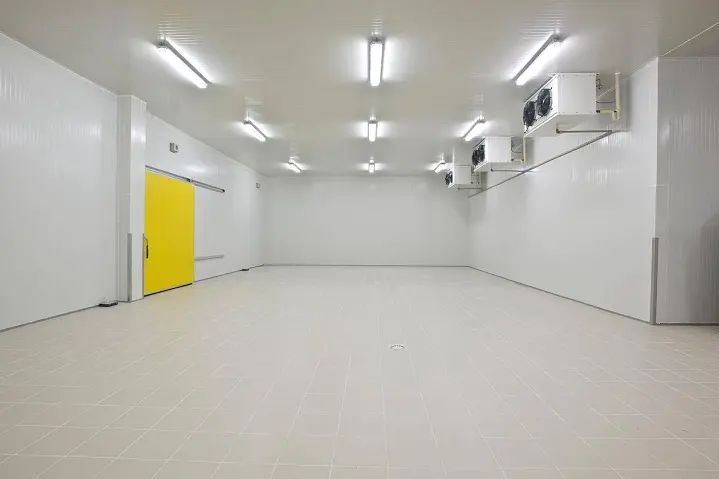
Modern cold storage solves the problems that traditional methods cannot. It controls temperature and humidity precisely, so sweet potatoes stay fresh for eight months or more. It reduces waste from 30–50 percent to under 4 percent. And it allows farmers and traders to hold stock until prices improve.
For commercial growers, exporters, and wholesalers, the investment in a proper cold room pays for itself through reduced losses and better market timing.
Final Thoughts
Sweet potato cold storage is not complicated, but it requires attention to detail. The temperature must stay between 2°C and 8°C, humidity at 80 percent, and ventilation at 20 to 30 air changes per hour. The pre-storage steps – grading, curing, sanitisation, and precooling – are just as important as the cold room itself.
Traditional storage methods have their place, but they cannot match the reliability and shelf life of a properly designed cold room. If you are storing sweet potatoes commercially, a cold storage facility is a practical investment that protects your product and your profit.
Note: Prices and exchange rates change. These estimates are based on mid‑2026 market data. Always request a detailed proposal for your specific project.