 Haocool

Vermicelli—whether made from rice, mung bean, or sweet potato starch—is a staple food across Asia, Africa, and increasingly in global export markets. But unlike dry pasta, fresh vermicelli has a short shelf life and requires proper cold storage to maintain quality, texture, and safety.
For manufacturers and distributors, investing in the right cold storage solution can mean the difference between a profitable export business and a warehouse full of spoiled product. This guide provides a complete breakdown of vermicelli cold storage methods, costs, and investment returns.
Why Does Vermicelli Need Cold Storage?
Fresh vermicelli has a high moisture content (typically 50–70%), making it highly perishable. Without proper temperature control, fresh noodles can spoil within 1–2 days at room temperature due to:
- Microbial growth: Bacteria and mold thrive in warm, moist environments
- Starch retrogradation: Temperature fluctuations cause starch to crystallize, making noodles hard and brittle
- Moisture loss: Improper humidity causes noodles to dry out or become sticky
- Color change: Exposure to oxygen and light causes discoloration
For commercial operations, cold storage is essential for:
- Extending shelf life from days to weeks or months
- Enabling distribution to distant markets
- Reducing post-harvest losses
- Meeting food safety regulations
Vermicelli Cold Storage: Three Main Methods
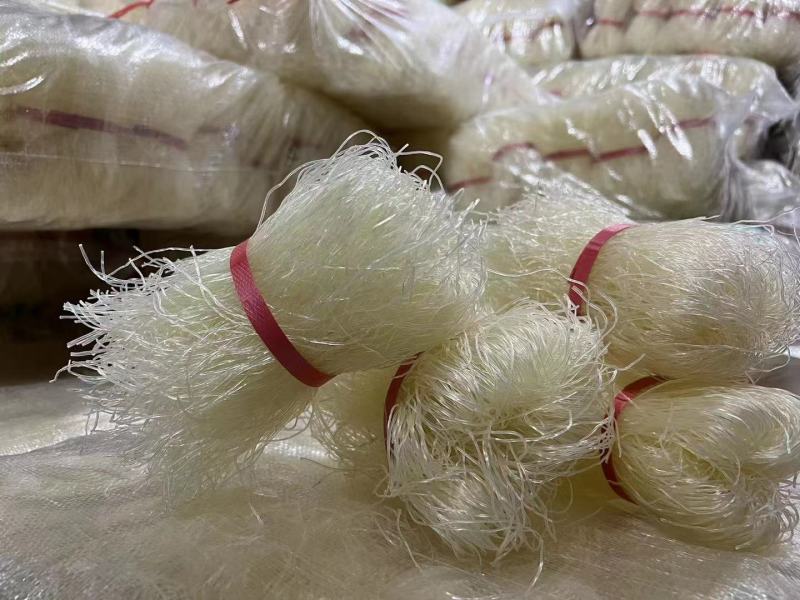
Method 1: Fresh Vermicelli Cold Storage (Chilled)
Best for: Local distribution, short-term storage (7–14 days)
| Parameter | Recommended Value |
|---|---|
| Temperature | 0–4°C |
| Relative Humidity | 85–90% RH |
| Shelf Life | 7–14 days |
| Packaging | Vacuum-sealed or modified atmosphere packaging (MAP) |
Fresh vermicelli stored at 0–4°C with 85–90% RH maintains its texture and flavor for 1–2 weeks. For longer shelf life, modified atmosphere packaging (MAP) with reduced oxygen levels can extend freshness to 3–4 weeks.
Key requirements:
- Consistent temperature (avoid fluctuations that cause condensation)
- Proper air circulation to prevent moisture pockets
- Separation from strong-smelling foods (noodles absorb odors)
Method 2: Refrigerated Storage (Advanced Chilled)
Best for: Extended fresh storage, export-ready products
| Parameter | Recommended Value |
|---|---|
| Temperature | -2°C to 0°C (superchilled) |
| Relative Humidity | 85–90% RH |
| Shelf Life | 14–30 days |
| Packaging | Vacuum-sealed or MAP |
Superchilled storage at -2°C to 0°C keeps vermicelli in a fresh state without freezing. This method is increasingly used for export products where “fresh” labeling commands premium prices.
Method 3: Frozen Vermicelli Storage
Best for: Long-term storage, bulk production, export
| Parameter | Recommended Value |
|---|---|
| Temperature | -18°C or below |
| Shelf Life | 6–12 months |
| Pre-freezing | IQF at -35°C to -40°C recommended |
| Packaging | Airtight, moisture-proof |
For long-term storage, frozen vermicelli offers the best return. The key is the freezing method:
- IQF (Individual Quick Freezing): Freezes individual noodles at -35°C to -40°C, preventing clumping and preserving texture
- Block freezing: Freezes in bulk blocks—lower cost but noodles may stick together
💡 Pro Tip: For maximum quality retention, flash freeze at -35°C to -40°C, then store at -18°C. This prevents large ice crystals from forming and maintains noodle texture upon thawing.
Cost Comparison by Method
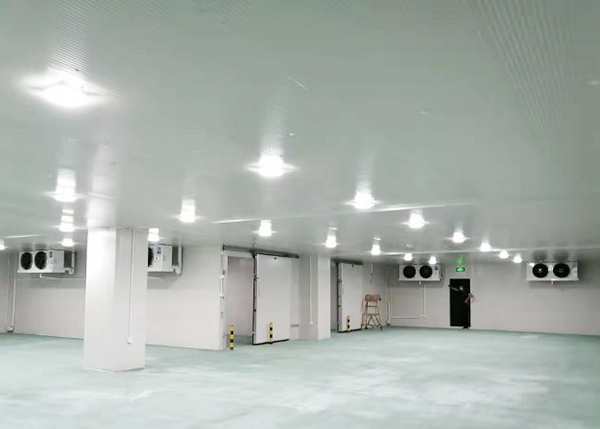
| Storage Method | Temperature | Shelf Life | Turnkey Cost (per m²) | Best For |
|---|---|---|---|---|
| Fresh Chilled Storage | 0–4°C | 7–14 days | $130–200/m² | Local distribution |
| Superchilled Storage | -2°C to 0°C | 14–30 days | $180–250/m² | Extended fresh, export |
| Frozen Storage | -18°C | 6–12 months | $200–300/m² | Long-term, export |
| IQF + Frozen Storage | -35°C to -40°C + -18°C | 12–18 months | $350–500/m² | Premium quality export |
💡 Cost Context: Standard chilled storage (0–4°C) is the most affordable entry point. Frozen storage requires thicker insulation (150mm vs. 100mm) and more powerful compressors, increasing investment by 30–50%. The IQF line adds significant cost but enables premium product positioning.
Investment Costs by Scale (Reference)
| Facility Scale | Area | Method | Estimated Investment (USD) |
|---|---|---|---|
| Small Manufacturer | 50–100 m² | Chilled (0–4°C) | $8,000–15,000 |
| Medium Manufacturer | 200–300 m² | Chilled + Frozen | $40,000–70,000 |
| Large Manufacturer | 500–1,000 m² | Chilled + Frozen + IQF | $150,000–350,000 |
| Export Facility | 1,000+ m² | Full cold chain + IQF | $300,000–600,000+ |
💡 Note: These estimates assume an existing building shell. Land acquisition and building construction are additional costs.
Return on Investment (ROI) Analysis
For a medium-scale operation (200–300 m² chilled + frozen facility):
| Metric | Value |
|---|---|
| Initial Investment | $50,000 USD |
| Daily Production | 3–5 tons |
| Storage Capacity | 50–80 tons |
| Shelf Life Extension | 1–2 days → 14–30 days |
Key ROI Drivers
- Reduced spoilage: Extending shelf life from 2 days to 14 days reduces waste by 80–90%
- Market expansion: Cold storage enables distribution beyond local markets
- Bulk production efficiency: Store production during low-demand periods, sell during peak seasons
- Export capability: Frozen vermicelli can be shipped globally
ROI Timeline Estimate
| Factor | Impact |
|---|---|
| Spoilage reduction | 80–90% waste reduction |
| Market reach | Local → Regional → Export |
| Production flexibility | Smooth seasonal demand |
| Typical ROI Period | 12–18 months |
Key Design Considerations
Insulation Requirements
| Temperature Zone | Recommended Insulation |
|---|---|
| Chilled (0–4°C) | 100mm PU panels |
| Superchilled (-2°C to 0°C) | 100–120mm PU panels |
| Frozen (-18°C) | 150mm PU panels |
| IQF (-35°C to -40°C) | 150–200mm PU panels |
Refrigeration System
- Chilled storage: Scroll compressors are sufficient and more cost-effective
- Frozen storage: Screw compressors provide better efficiency and reliability
- IQF: High-capacity systems required for rapid freezing
Humidity Control
For fresh vermicelli storage, 85–90% RH is essential. Too dry = noodles crack and become brittle. Too humid = sticky surfaces and mold growth.
Frequently Asked Questions
Q1: What temperature is best for fresh vermicelli storage?
Fresh vermicelli is best stored at 0–4°C with 85–90% RH. This maintains freshness and texture for 7–14 days.
Q2: How long can frozen vermicelli be stored?
At -18°C, vermicelli can maintain quality for 6–12 months. IQF frozen products can last 12–18 months at -18°C.
Q3: Does vermicelli need to be pre-frozen before storage?
For frozen storage, vermicelli should be quick-frozen to -18°C as quickly as possible to prevent large ice crystal formation. IQF is the preferred method for premium quality.
Q4: What is the typical ROI period for vermicelli cold storage?
For medium-scale operations, typical ROI is 12–18 months, driven by reduced spoilage, expanded markets, and production flexibility.
Q5: What humidity level is required for fresh vermicelli storage?
85–90% RH is ideal for fresh vermicelli. Proper humidity control prevents the noodles from drying out or becoming sticky.
Q6: Can I use a standard fruit/vegetable cold room for vermicelli?
Fresh vermicelli requires 0–4°C with 85–90% RH, which overlaps with some fruit storage but is not suitable for all produce. Standard fruit cold rooms set at 4–8°C are too warm. A dedicated cold room with precise temperature and humidity control is recommended.
Q7: What is the shelf life at different temperatures?
| Storage Temperature | Shelf Life |
|---|---|
| Room temperature | 1–2 days |
| 0–4°C | 7–14 days |
| -2°C to 0°C | 14–30 days |
| -18°C | 6–12 months |
| -18°C (IQF) | 12–18 months |
Ready to Build Your Vermicelli Cold Storage?
Whether you need chilled storage for fresh noodles, frozen storage for long-term preservation, or a full IQF line for export markets, the right cold storage solution can transform your production economics.
Tell us:
✅ Your production volume and storage duration needs
✅ Target markets (local, regional, or export)
✅ Fresh or frozen product focus
We’ll send you a free layout + cost estimate + ROI calculation—customized for your specific requirements.
The storage parameters provided above are for reference only. Optimal conditions vary by product formulation, packaging, climate, and operational requirements. Consult with a cold storage specialist for a customized solution.