 Haocool

Author: Wang Hao, Senior Southern Humid Nut Cold Chain Engineer
10 years specialized in walnut, cashew, almond cold storage design. Familiar with GB 50072 Cold Storage Standard, T/AHFIA 025 Nut Food Storage Specification, NB/T 10771 Dehumidification Norm & HACCP food safety CCP control standards, completed dozens of nut processing warehouse projects in Anhui Jiangsu humid regions.
Core Basic Project Data
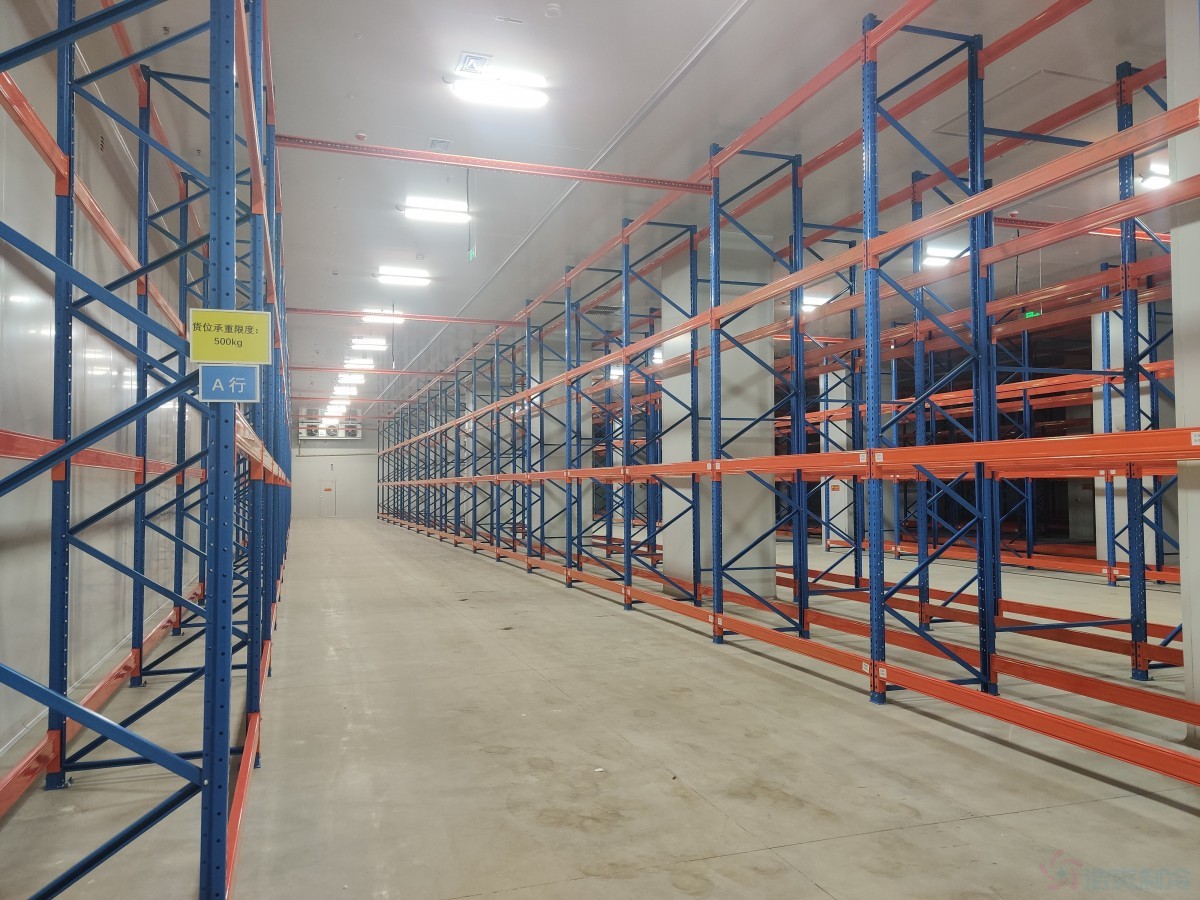
- Total floor area: 3,000 ㎡ | Clear height: 5m | Total effective volume: 15,000 m³
- Standard pallet storage capacity: 2,800 tons mixed shelled & in-shell nuts (GB 50072 0.60 space utilization × nut pallet density calculation)
- Stable warehouse control target: Temp 0–8℃, RH 55–65%, temp fluctuation ≤±0.8℃
- Independent functional zones (HACCP three-zone isolation mandatory):
- Two main nut storage chambers (0–8℃ finished goods)
- 10–15℃ packaging sorting workshop
- Sealed air curtain loading buffer hall
- Separate pending inspection / non-conforming goods isolation room
- Full construction cycle: 90–100 calendar days (design → production → installation → full-load commissioning)
- Compliance standard: GB 50072, T/AHFIA 025 nut storage, HACCP CCP oxidation control
Pre-Construction Core Operational & Quality Pain Points
- Old temporary warehouse without professional dehumidification system, plum rain season nut mildew & rancidity scrap rate up to 11.3%;
- No independent standby refrigeration unit, summer unit overload leads large batch raw material quality loss;
- Mixed storage of qualified & defective nuts without physical partition, failed local food supervision inspection twice;
- Single-layer insulation without continuous vapor barrier, severe wall condensation increases annual power consumption;
- Uncontrolled temperature fluctuation accelerates lipid oxidation, nut shelf life shortened by 40% for export orders.
1 High-Humidity Anti-Mildew Envelope System
Comply with NB/T 10771 continuous moisture barrier clause to block outdoor high-humidity air infiltration:
| Structural Component | Standard Configuration | Anti-Oxidation & Anti-Mold Optimization |
|---|---|---|
| Wall & Ceiling PU Panel | 100mm B1 flame retardant double color steel PUR, density ≥40kg/m³ | Double-layer HDPE full warm-side vapor barrier, all joint mildew-proof sealant filling |
| Floor Insulation | Staggered 50mm XPS anti-freeze board + waterproof epoxy wear layer | Slight drainage slope for regular warehouse cleaning |
| Cold Door & Air Curtain | Thermal break stainless sliding door + full heating air curtain | Auto-close buffer hall to cut hot humid air inflow during loading |
Core construction rule: All ceiling suspension bolts fitted nylon insulation gaskets to eliminate cold bridge ceiling sweating.
2 Redundant Refrigeration & Constant Dehumidification System

Refrigeration Matching
Bitzer / Emerson scroll one-main-one-standby parallel rack for each storage zone, low-speed anti-dehydration air coolers to avoid nut surface drying shrinkage; hot gas circulation defrost only without electric heating ignition source.
Dedicated Rotary Dehumidifier (Core Nut Freshness Equipment)
- Total dehumidification capacity: 160kg/h industrial rotary unit interlocked with PLC;
- Auto startup when RH exceeds 65%, lock warehouse humidity within 55–65%;
- Pre-dehumidify air entering buffer hall to avoid humid air mixing into storage zone;
Function value: Reduce nut oxidation speed by over 60%, extend export shelf life 3–6 months.
3 HACCP Compliant Intelligent Monitoring Platform
Siemens PLC central control + multi-point high-precision temp & humidity sensors (1 set per 120㎡):
1. 5-year non-editable data storage, support one-click export for food supervision audit;
2. Multi-level SMS + on-site sound-light alarm for over-limit RH/temp;
3. Automatic standby unit switching upon main machine fault;
4. Batch inbound/outbound record linkage for full traceability of nut raw materials.
4 Full Turnkey Cost Breakdown & Price Floating Factor
Total Budget Reference (Standard B1 domestic inverter configuration, USD)
Total turnkey investment range: $370,000 – $470,000
Unit average price: $120 – $155 per square meter
Four Core Cost Fixed Proportion (Industry Standard)
- PU Enclosure Project (32–38%): Wall, roof, floor panels, cold doors, full sealing works
- Refrigeration + Rotary Dehumidification System (38–45%): Parallel compressor racks, air coolers, large dehumidifier (unique extra cost for nut warehouse)
- Intelligent Electrical Monitoring (10–14%): PLC, sensors, remote APP alarm
- Installation & Auxiliary Labor (12–18%): Pipe welding, insulation construction, full commissioning
Main Cost Premium Items
- Import Bitzer full set unit: +28–35% total budget
- Upgrade full stainless steel interior for food hygiene: +10–15%
- Add independent gas-adjustment anti-oxidation equipment for long-term export: +40–60%
- Each extra isolated partition: +10–12% investment
5 Measurable Post-Operation 12-Month Benefits
- Constant humidity control cuts nut mildew & rancidity scrap rate from 11.3% down to below 1.1%;
- One-main-one-standby + full vapor barrier energy-saving design reduces annual electricity consumption by 13%;
- Three independent isolation zones fully pass local food supervision HACCP inspection without rectification;
- Stable low-humidity environment extends export nut shelf life by 4 months, greatly improving overseas order competitiveness;
- Digital batch traceability system cuts manual inventory & inspection labor cost by 42%.
6 5 Common Nut Cold Storage HACCP Inspection Pitfalls
- No independent dehumidifier for Anhui high-humidity region → Mass mildew & lipid oxidation loss
- No physical partition for defective nuts → Direct food supervision inspection failure
- Single refrigeration unit without standby → Summer overload full batch raw material risk
- Single-layer vapor barrier on wall & ceiling → Continuous wall condensation year-round
- Editable temperature & humidity recording system → All audit trace data invalid
FAQ For Nut Processing & Export Enterprises
Q1 What’s the core design difference between nut warehouse and ordinary fruit cold room?
Nuts need strict constant humidity 55–65% to prevent fat rancidity; Anhui plum rain area must equip large rotary dehumidifier, which is not required for common fruit storage.
Q2 What’s the best storage temperature for walnuts vs cashews?
Walnuts: 3–8℃, RH 58–65%; Cashews: 0–5℃, RH 55–60%; Lower humidity for high-oil cashews to slow oxidation.
Q3 Why separate non-conforming nut isolation room is mandatory?
Comply with T/AHFIA 025 nut food standard; mixed qualified & defective products will trigger food safety supervision rectification.
Q4 How much extra cost to add anti-oxidation CA gas system for export nuts?
Add nitrogen filling & oxygen scrubber equipment increases total investment by 40–60%, suitable for sea freight over 2 months.
Custom Nut Cold Storage Inquiry
If you are planning to build a 2000-5000㎡ high-humidity nut cold storage facility, please provide your daily processing volume and export cycle to receive a free mold-proof layout and detailed quote.