 Haocool

Author: Wang Hao, Senior Cold Chain EPC Engineer
10 years cross-industry cold storage design experience covering agriculture, food, pharmaceutical and aquatic products. Familiar with GB 50072 national cold storage design standard, GSP pharmaceutical specification and ISO 23953 refrigeration standard, completed hundreds of single & multi-temperature warehouse projects for global clients.
Temperature zone design is the core foundation of cold storage construction. Different storage goods have strict limits on temperature, humidity and temperature fluctuation, which directly determine insulation thickness, refrigeration unit model, one-time investment and long-term electricity cost.
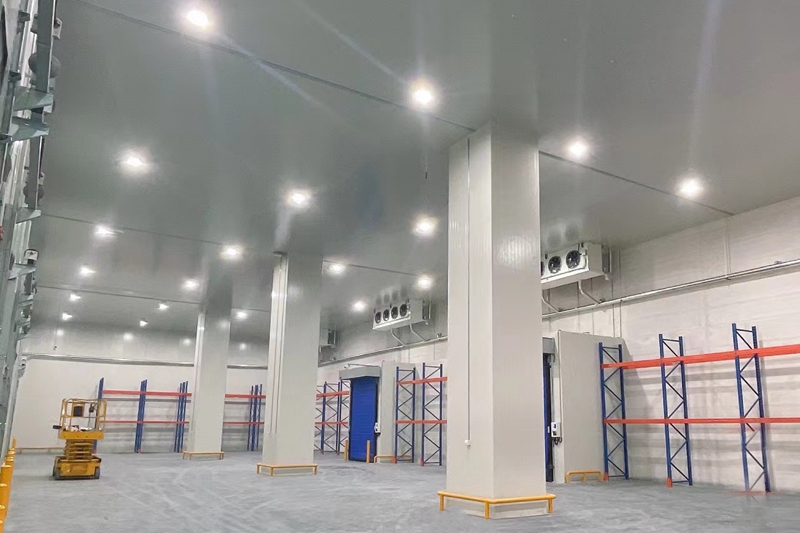
Full Standard Parameter Comparison Table For 6 Cold Storage Types
| Cold Room Type | Fixed Temp Range | Mandatory RH | Allowable Temp Fluctuation | Standard PU Panel Thickness | Core Refrigeration Scheme | Turnkey Cost Per ㎡ (USD) | Daily Power Consumption Per ㎡ | Core Application |
|---|---|---|---|---|---|---|---|---|
| Fresh Chiller (0~15℃) | 0–10℃ | 85–95% | ≤±0.8℃ | 100mm B1 PUR | Single scroll/compressor | $150–250 | 3–6 kWh | Fruits, veggies, flowers, dairy |
| Mid-Low Freezer (-5~-18℃) | -18℃ | ≤80% | ≤±1.0℃ | 150mm B1 PUR | Single/parallel screw | $220–300 | 8–10 kWh | Frozen meat, seafood, prepared food |
| Blast Freezer (-30~-35℃) | -30~-35℃ | ≤75% | ≤±1.5℃ | 200mm B1 PUR | Two-stage compressor | $350–450 | 12–18 kWh | Seafood IQF, poultry quick-freezing |
| Ultra-Low Temp ULT (-40~-60℃) | -40~-60℃ | ≤70% | ≤±2.0℃ | 200mm+ thick PUR | Cascade compound unit | $600–900 | 18–25 kWh | Tuna, biological samples, aerospace raw materials |
| GSP Pharmaceutical Cold Room | 2–8℃ | 45–75% | ≤±0.5℃ | 120mm B1 anti-corrosion PUR | 1-main-1-standby redundant unit | $250–400 | 4–7 kWh | Vaccines, reagents, blood products |
| Constant Temp Warehouse (10~20℃) | 10–20℃ | 60–80% | ≤±0.5℃ | 100mm B1 PUR | Inverter constant temp unit | $180–250 | 2–5 kWh | Tropical fruit, wine, chocolate raw material |
Supplementary Cost Explanation
- Price benchmark: Domestic variable frequency unit + B1 fire insulation, single independent zone;
- Import Bitzer/Copeland compressors add 25–35% total cost;
- Extra partition for multi-temperature zones increases overall budget by 12–20%;
- Tropical regions with summer ambient over 36℃ need oversized condensers, cost up 8–15%.
1 Detailed Design Standard For Each Cold Storage Category
1.1 Fresh Chiller (0–10℃)
Core rule: Equip low-speed air coolers + automatic humidifier to avoid fruit weight loss; separate ethylene-rich fruits to prevent premature ripening.
Capacity calculation reference: 1m³ ≈ 0.23 tons bulk fruits (GB 50072 space utilization coefficient 0.5). Example: 100㎡ ×3m height = 300m³ → ~65 tons fruits.
12 -18℃ Standard Freezer
Mandatory ground XPS anti-freeze insulation layer; hot gas defrost only, prohibit electric heating strip to reduce fire risk. Daily power consumption 8–10 kWh/㎡ under full load.
1.3 Blast Freezer (-30~-35℃)
Core function: Reduce central product temp from 25℃ to -30℃ within 6–8h; two-stage compression unit is mandatory, single compressor cannot reach low-temperature load. 200mm ultra-thick insulation required to avoid continuous overload.
1.4 ULT Ultra-Low Storage (-40~-60℃)
Adopt cascade compound refrigeration system; suitable long-term tuna deep preservation and laboratory biological samples. Higher operation cost, only for high-value goods. Example: 500㎡ ULT warehouse can store ~400 tons tuna.
1.5 GSP Pharmaceutical Cold Room (2–8℃)
Full GSP mandatory compliance configuration (non-negotiable for audit):
1. One-main-one-standby redundant refrigeration set + dual municipal power / standby generator;
2. Intrinsically safe monitoring system, data non-editable, storage ≥5 years;
3. Multi-point temperature sensors (1 set per 100m³), multi-level SMS + local sound-light alarm;
4. Inner arc hygienic wall corners for regular disinfection, no mold dead angles.
1.6 10–20℃ Constant Temp Room
High precision ±0.5℃ constant control for temperature-sensitive commodities such as wine and cocoa; low air velocity design to prevent raw material surface dehydration.
2 Major Cost Influencing Factors
- Temperature difference between indoor & outdoor: The lower the warehouse temperature, the thicker insulation required, higher equipment investment;
- Compressor brand: Domestic inverter vs imported screw unit has 25–35% price gap;
- Fire rating: B1 flame retardant panels cost 10–20% higher than B2 ordinary grade;
- Supporting upgrades: Air curtain dock, AS/RS rack, GSP monitoring, explosion-proof structure all bring extra cost;
- Regional climate: High temperature & high humidity coastal areas add anti-corrosion and oversized condenser cost.
3 Mixed Multi-Temp Warehouse Investment Reference
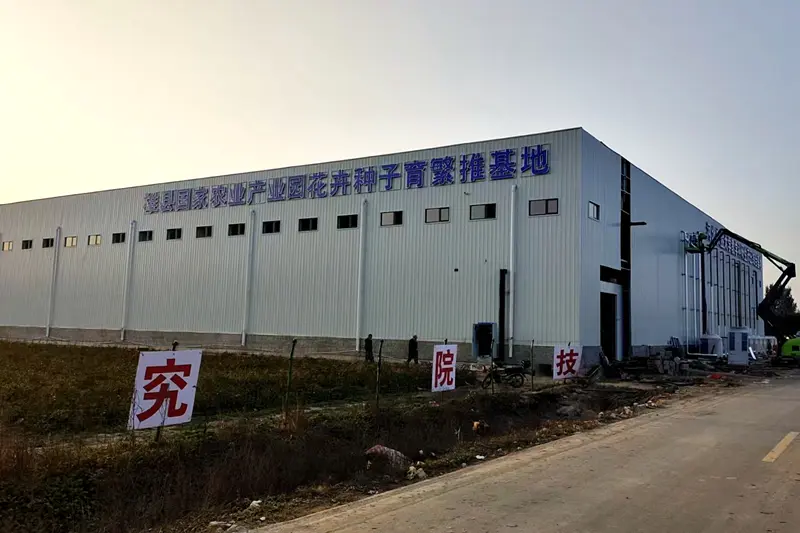
Case: 500㎡ integrated cold storage (0–5℃ fresh zone + -18℃ frozen zone)
- Total turnkey investment range: $130,000 – 180,000
- Comprehensive storage capacity: 300–400 tons mixed pallet goods
- Energy-saving suggestion: Independent refrigeration loop for each zone, avoid cross-temperature interference.
6 Common Cold Storage Temperature Design Pitfalls
- Use thin 80mm panels for -18℃ freezer → Severe cold leakage, daily power consumption rises 30%+
- Omit standby unit for pharmaceutical warehouse → Fail GSP audit, batch drug scrap risk during breakdown
- Select single-stage compressor for -35℃ blast freezer → Cannot reach target low temp, unit continuous overload burnout
- Ignore humidifier for fruit chiller → 8–12% goods weight loss, direct profit reduction
- Mix ethylene fruits & leafy greens in one fresh room → Mass premature yellowing & rot within one week
FAQ For Cold Storage Investors & Factory Infrastructure Managers
Q1 What’s the mandatory difference between pharmaceutical cold room and ordinary fresh cold room?
A GSP requires dual backup refrigeration, double power supply, 5-year tamper-proof temperature data and full hygienic construction; ordinary fruit cold storage has no above mandatory configuration.
Q2 What compressor to choose for -35℃ blast freezing workshop?
A Must adopt two-stage compression unit; single scroll compressor cannot bear large low-temperature load, leading to frequent shutdown.
Q3 How to calculate storage tonnage of a cold room?
Follow GB 50072 standard: Effective volume × 0.5 space utilization × goods density coefficient (0.23 tons/m³ fruit, 0.5 tons frozen meat).
Q4 Does constant temperature wine warehouse need special humidity control?
Yes, maintain 60–80% RH; too dry causes cork shrinkage, excessive humidity triggers bottle mold.
Custom Multi-Temp Cold Storage Layout & Quotation Inquiry
Provide warehouse area, required temperature zones and stored product types, we can send free layout drawing and itemized full turnkey cost breakdown.