 Haocool

Summer is coming, which means apricot season is near. Apricots are sweet and sour, packed with vitamins, and loved by many. But they have a big problem: they don’t store well. Leave them at room temperature for a few days, and they turn soft, brown, and mouldy.
If you grow or sell apricots, you need a better way. A CA (controlled atmosphere) cold storage is the answer. It slows down the fruit’s natural ripening, kills surface microbes, reduces moisture loss, and keeps apricots fresh for weeks. You can even store them off‑season and sell when prices are higher.
For more details on the investment, check out our CA cold storage construction cost page.
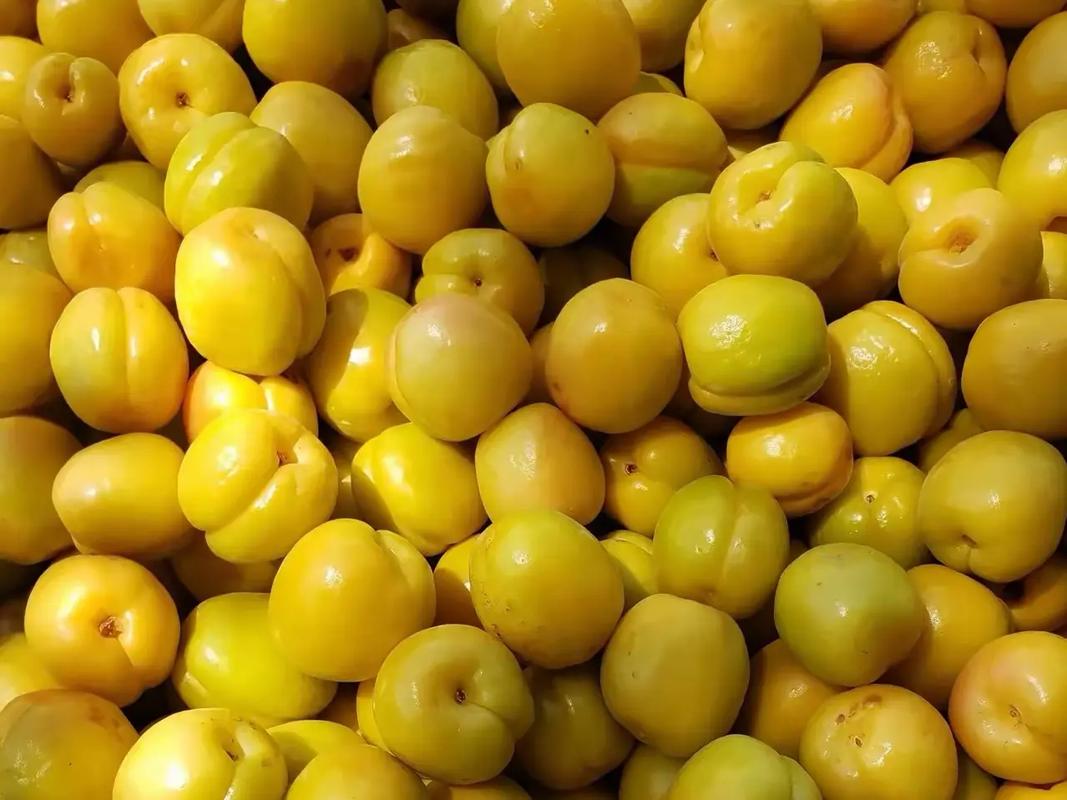
How Long Can Apricots Last in a CA Cold Storage?
Under the right conditions – temperature at -0.5°C to 1°C, humidity at 85–95%, oxygen at 2–3%, and CO₂ at 2.5–3% – apricots can stay fresh for 30 to 35 days. The spoilage rate is below 10%, and over 90% of the fruit remains in good condition. The colour, flavour, and texture stay almost the same as freshly picked.
Without CA storage, apricots might last only 5–10 days even in a normal cold room. So CA makes a big difference.
Step‑by‑Step: Apricot CA Cold Storage Method
Follow these four steps carefully.
1. Harvest at the Right Time
Pick apricots in the early morning or late evening when it’s cool. Always harvest by hand to avoid bruises and cuts.
Never harvest in rainy weather – wet fruit rots much faster inside storage, no matter how good your CA room is.
2. Sorting and Grading
Right after harvest, sort the apricots by size. Remove any fruit that is:
- Damaged by insects or disease
- Misshapen or bruised
- Overripe or already soft
Only store healthy, firm apricots. One bad fruit can release ethylene and spoil a whole batch.
3. Pre‑Cooling – Don’t Skip This
Pre‑cooling quickly pulls field heat out of the apricots. If you skip this, the fruit will sweat inside the CA room, causing condensation and rot.
Use forced‑air cooling – it’s the fastest. Set the pre‑cooling temperature to around 2–4°C, and complete the process within 24 to 48 hours after harvest. The faster, the better.
4. Temperature, Humidity, and Gas Control
This is the heart of apricot CA storage.
Temperature
Keep the room at -0.5°C to 1°C (31–34°F) .
– Below -2°C → chilling injury (the fruit becomes watery and mushy)
– Above 1°C → apricots ripen too fast and lose flavour
Stable temperature is critical. Fluctuations larger than 1°C cause condensation and decay.
Humidity
Maintain 85% – 95% relative humidity (RH) .
Apricots lose water easily. High humidity keeps them plump and juicy. If the air is too dry, lightly spray water on the floor (never directly on the fruit) or use a humidifier.
Gas Composition (CA settings)
| Gas | Target level |
|---|---|
| Oxygen (O₂) | 2% – 3% |
| Carbon dioxide (CO₂) | 2.5% – 3% |
The rest is nitrogen. This low‑oxygen, moderate‑CO₂ environment slows respiration dramatically. Apricots stop ripening and stay in a “pause” state.
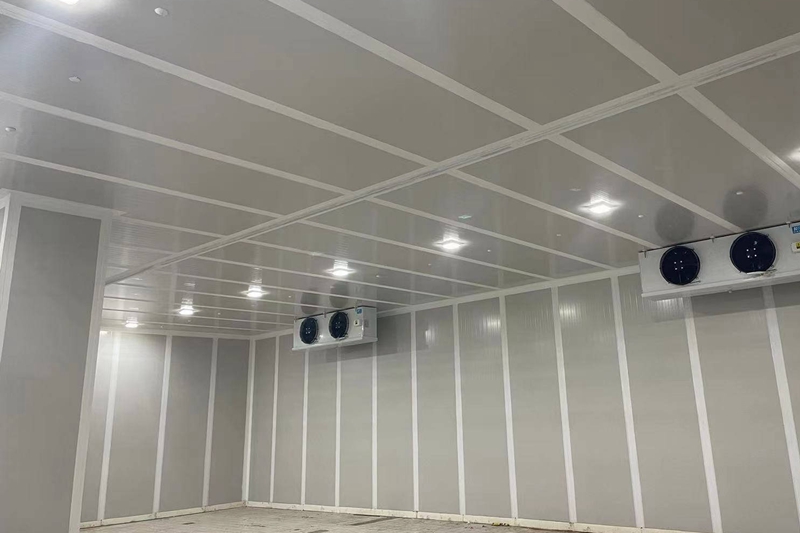
Actual photos of the interior of the controlled atmosphere storage facility
What to Expect After 30–35 Days
After a month in a proper CA cold storage, your apricots should still look bright orange‑yellow, feel firm, and taste fresh. The skin won’t wrinkle, and there will be very little rot – less than 10% loss, with over 90% marketable fruit.
Extra Tips for Success
- Don’t overload the room. Leave space between pallets for air circulation.
- Use shallow crates. Deep piles crush the fruit on the bottom.
- Check every week. Remove any apricot that shows signs of softening or mould – it can affect the whole batch.
- Keep the door closed. Frequent opening lets in oxygen and disturbs the gas balance.