 Haocool

Cherry tomatoes are small, colourful, and packed with flavour. They are actually a variety of tomato, sometimes called “baby tomatoes” or “grape tomatoes.” They are popular in salads, snacks, and cooking — and they are more nutritious than regular tomatoes, with higher vitamin content.
But here is the problem. Cherry tomatoes are climacteric fruits. That means they continue to ripen after harvest. At room temperature, they start to lose moisture, soften, and develop mould within four to six days. Without proper storage, a beautiful harvest turns into waste in less than a week.
The solution is a properly designed cold storage facility. With the right temperature and humidity, cherry tomatoes can stay fresh for up to 90 days — still colourful, still firm, and still full of flavour.
Here is a step‑by‑step guide to storing cherry tomatoes in a cold room.
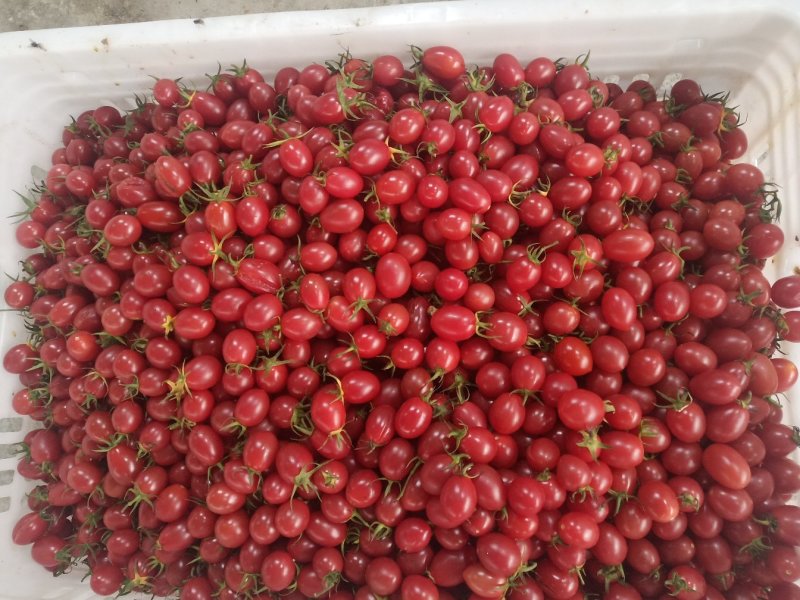
Step 1: Harvest at the Right Time
Harvest cherry tomatoes on a dry, sunny or cloudy day. Never harvest in rainy weather. Wet fruit carries moisture into storage, which leads to rot and mould. If the fruit is wet when picked, spread it out in a shaded, well‑ventilated area to dry before moving to the next step.
Step 2: Sorting and Grading
After harvest, sort the tomatoes carefully. Remove any fruit that is:
- Damaged by insects or disease
- Misshapen or cracked
- Bruised or overripe
- Too small or showing signs of decay
Only store healthy, undamaged fruit. One bad tomato can release moisture and ethylene that affects the whole batch.
Step 3: Pre‑Cooling — Essential for Freshness
Pre‑cooling is not optional for cherry tomatoes. It quickly pulls field heat out of the fruit, reducing respiration and slowing down ageing. Without pre‑cooling, tomatoes sweat inside the cold room, leading to condensation and mould.
Use forced‑air cooling for the best results. The faster you cool the fruit, the better it keeps. Aim to bring the core temperature down to storage temperature within 24 to 48 hours of harvest.
Step 4: Storage Temperature and Humidity
Now we get to the main part — the conditions inside the cold room.
| Parameter | Recommended Value |
|---|---|
| Temperature | 5°C – 8°C (41–46°F) |
| Relative humidity | 85% – 90% |
| Maximum storage life | Up to 90 days |
Temperature: Keep the room at 5–8°C. Below 5°C, cherry tomatoes lose their flavour and develop chilling injury — the fruit becomes soft and decays quickly. Above 8°C, they ripen too fast, mould grows, and shelf life shortens.
Humidity: 85–90% relative humidity is ideal. If the air is too dry, the fruit shrivels and loses weight. If it is too wet, mould develops. You can add moisture by spraying water on the floor — never directly on the fruit — or by using a humidifier.
Under these conditions, cherry tomatoes can stay fresh for up to 90 days. They retain their bright colour, firm texture, and nutritional value.
What to Expect After Storage
After three months in a properly managed cold room, cherry tomatoes should still look vibrant and taste fresh. The skin remains smooth, the flesh stays firm, and the flavour is almost the same as the day they were picked. The spoilage rate is low, and the fruit is ready for market or further processing.
Why Cold Storage Makes Sense for Cherry Tomatoes
Cherry tomatoes are a high‑value crop. Without cold storage, you have a very short selling window — four to six days at most. With a cold room, you can extend that to three months. That gives you the flexibility to sell when prices are high, not just when the fruit is ready.