 Haocool

If you are in the ice cream or frozen dessert business, you already know the stakes. Ice cream is one of the most temperature‑sensitive food products on the market. Unlike frozen meat or seafood, which can tolerate small fluctuations, ice cream is unforgiving. A few degrees too warm, and it melts and refreezes into a gritty, icy mess. Too cold for too long, and it becomes rock‑hard and loses its creamy texture.
For businesses operating in Dubai – especially in the Jebel Ali Free Zone (JAFZA) – the challenge is even greater. Summer temperatures regularly exceed 45°C, and the demand for ice cream and frozen novelties is year‑round.
A customer recently asked us: what does it take to build an ice cream cold storage in Jebel Ali, and how much does it cost?
We put together a practical guide covering temperature requirements, design considerations, and a realistic budget.
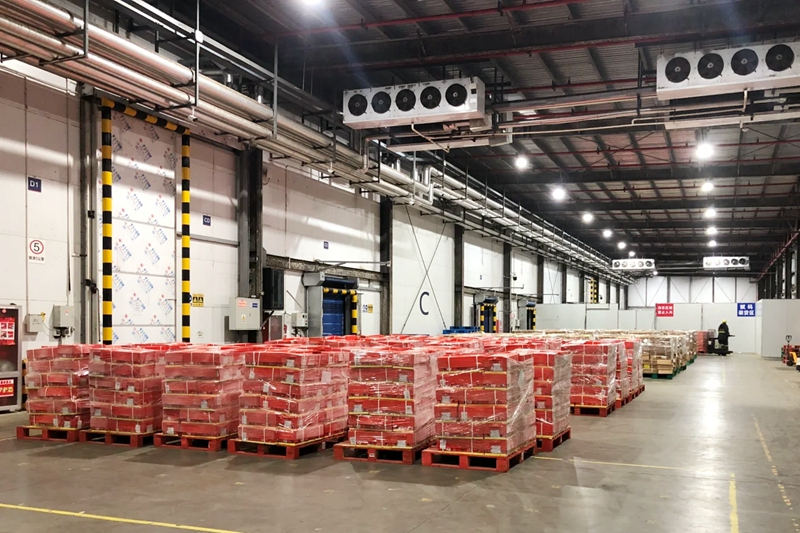
Why Ice Cream Cold Storage Is Different
Ice cream is not just “frozen food.” It has specific requirements that set it apart from meat or seafood storage.
The ideal storage temperature for ice cream is between -20°C and -25°C. At this range, the product maintains its firmness without losing creaminess. Below -24°C, it becomes too hard and difficult to serve. Above -16°C, it starts to soften and lose quality.
For long‑term storage and export, some premium ice cream brands require -28°C or even lower deep‑freeze conditions to prevent ice crystal growth and preserve texture over many months.
| Storage Type | Temperature | Typical Use |
|---|---|---|
| Standard ice cream storage | -20°C to -25°C | Wholesale, retail, short‑term |
| Premium / deep‑freeze storage | -28°C or below | Export, long‑term storage |
Design Requirements for an Ice Cream Cold Storage in JAFZA
Building an ice cream cold storage in Jebel Ali Free Zone requires attention to several key areas.
1. Temperature Stability
Temperature fluctuation is the enemy of ice cream. Even a 2–3°C swing can cause partial thawing and refreezing, which leads to ice crystals and a gritty texture. The refrigeration system must be sized for Dubai’s extreme summer ambient temperatures, not just average conditions.
For a facility in JAFZA, this typically means:
- Oversized condensing units – to handle peak summer loads
- Redundant systems – one main, one backup, especially for pharmaceutical‑grade or export‑quality storage
- Automated temperature logging – continuous monitoring with alarms for any deviation
2. Insulation Panel Thickness
For an ice cream cold storage at -20°C to -25°C, you need at least 150mm polyurethane panels with double‑face steel cladding. Thicker panels (180mm or 200mm) cost more upfront but significantly reduce electricity consumption – a critical consideration in Dubai’s hot climate.
3. Floor Insulation and Heating
At -25°C, the ground beneath the cold room can freeze and heave, damaging the concrete slab. Proper floor insulation – typically XPS extruded polystyrene – is essential. Some facilities also install electric heating cables in the floor slab to prevent frost heave.
4. Door Design
Ice cream cold rooms are accessed frequently – for loading, picking, and dispatch. Each door opening lets in warm, humid air, which can cause ice buildup on evaporator coils and temperature spikes. For high‑traffic facilities, consider:
- High‑speed insulated doors – open and close quickly
- Strip curtains or air curtains – reduce warm air infiltration
- Dock levellers and dock shelters – for efficient truck loading
5. Humidity Control
Humidity management is an important aspect of ice cream preservation. Excess moisture in the air leads to frost buildup on evaporator coils and ice crystals on product surfaces. A well‑designed system includes:
- Proper evaporator sizing – to remove moisture without overcooling
- Automatic defrost cycles – to prevent coil icing
- Vapour barriers – in walls and ceilings to prevent moisture ingress
6. Hygiene and Food Safety
Ice cream is a dairy product and falls under strict food safety regulations. The cold storage must comply with HACCP and ISO 22000 standards. This means:
- Smooth, cleanable interior surfaces (stainless steel or food‑grade panels)
- No exposed insulation or gaps where mould can grow
- Proper drainage and wash‑down facilities
7. JAFZA Regulatory Requirements
Building in Jebel Ali Free Zone means you must comply with JAFZA’s specific building codes and approval processes. Key requirements include:
- Minimum internal height of 4–9 metres
- Minimum door width of 3 metres for truck access
- Approval from JAFZA authorities and, for food storage, relevant food safety agencies
- For pharmaceutical or export‑grade storage, additional certifications may be required
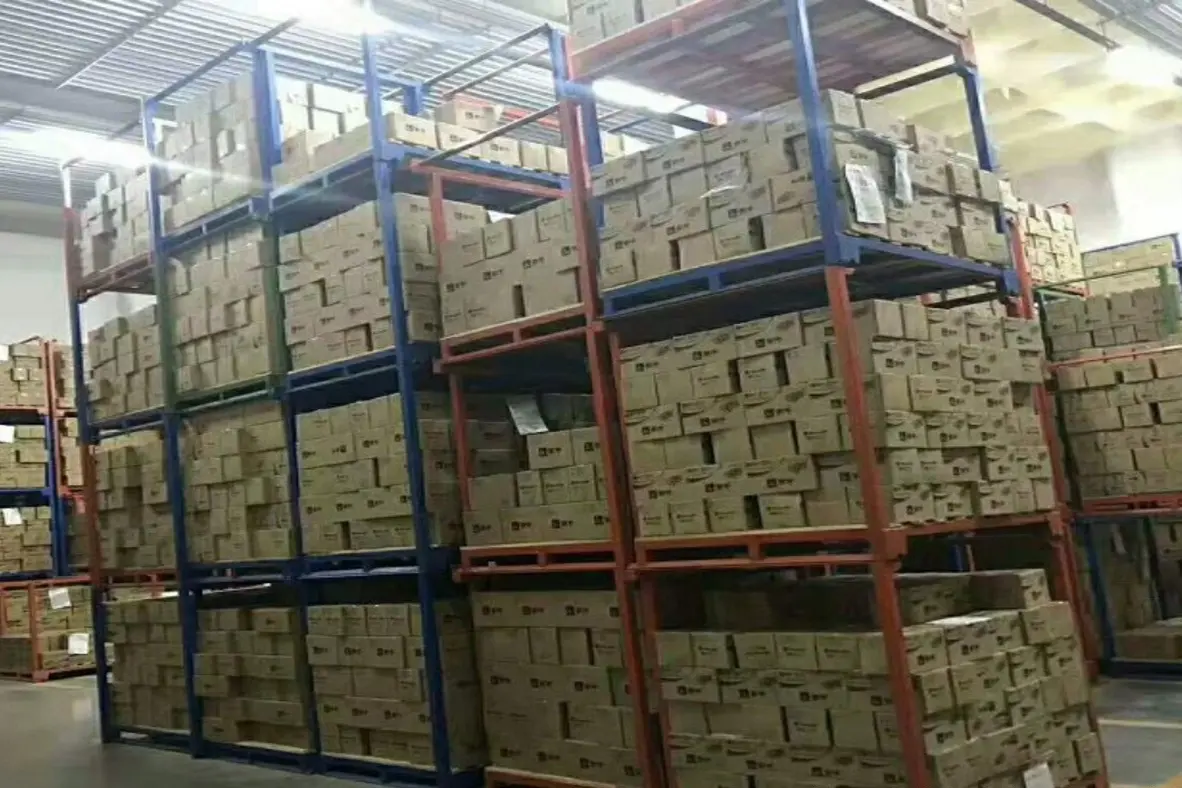
Estimated Cost for an Ice Cream Cold Storage in JAFZA
Cold storage construction in the UAE is significantly more expensive than ambient warehousing due to specialised insulation, refrigeration systems, and operational requirements. A 3,000m² multi‑temperature facility can cost 2 to 3 times more than a standard warehouse.
For an ice cream cold storage in Jebel Ali, here is a rough cost estimate for a 500m² facility at -22°C to -25°C:
| Component | Estimated Cost (USD) |
|---|---|
| Insulation panels (150mm polyurethane) & floor insulation | $30,000 – 45,000 |
| Refrigeration equipment (compressors, evaporators, condensers) | $40,000 – 55,000 |
| Floor slab with heating cables & XPS insulation | $20,000 – 25,000 |
| Electrical and control systems (with backup) | $10,000 – 15,000 |
| High‑speed doors & dock equipment | $5,000 – 10,000 |
| Installation and labour (JAFZA) | $25,000 – 35,000 |
| Engineering, permits, and JAFZA approvals | $8,000 – 12,000 |
| Contingency and miscellaneous | $12,000 – 15,000 |
| Total (approx.) | $150,000 – 200,000 |
This range reflects a realistic budget for a medium‑sized ice cream cold room in JAFZA, including all major components and regulatory approvals. The final price will depend on equipment brand choices and specific site conditions.
For a detailed breakdown of ice cream cold storage costs, visit our ice cream cold storage cost guide page.
Real‑World Example: 600‑Ton Ice Cream Cold Storage
To see how these principles are applied in practice, look at a recent project we completed for Socalait, a renowned French ice cream manufacturer based in New Caledonia.
The facility includes:
- Three freezer rooms, each maintained at -23°C
- Large variety of premium ice cream products stored
- HACCP‑compliant insulation and temperature logging
This project demonstrates that our solutions meet both emerging‑market affordability and European regulatory rigour.
For more details, visit our 600‑ton ice cream cold storage case study page.