 Haocool

If you are a wholesale produce distributor or a large-scale farm in Riyadh, you have probably asked this question. Vegetables are perishable. Without proper cold storage, you lose a significant portion of your inventory to spoilage—especially in Saudi Arabia’s extreme summer heat, where temperatures regularly exceed 45°C.
A customer recently asked us: how much cold storage space do I need for 500 tons of vegetables, and what will it cost to build in Riyadh?
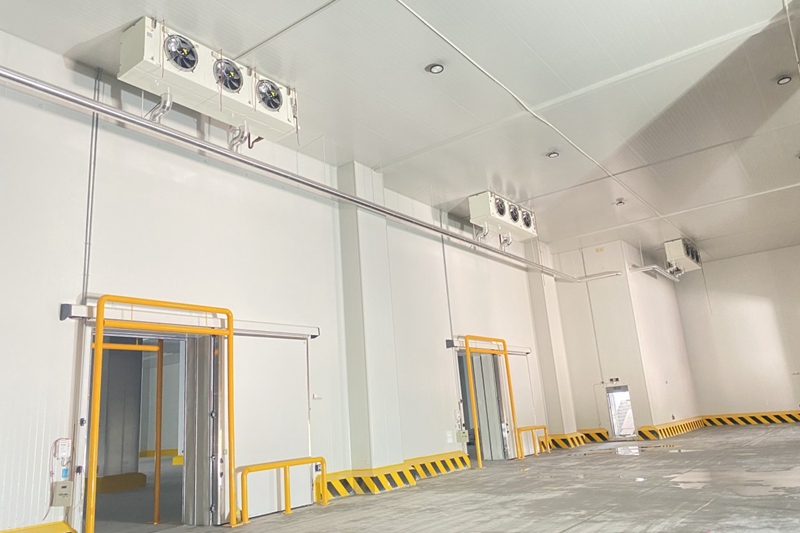
First, How Much Space for 500 Tons of Vegetables?
Fresh vegetables are not dense. They need space for air circulation to maintain even temperature and prevent moisture buildup.
A common industry rule of thumb for mixed fresh produce is 0.22–0.25 tons per cubic metre (or roughly 4–4.5 m³ per ton), depending on the type of vegetable and how it is stacked.
So for 500 tons:
- Net storage volume: 500 tons × 4.5 m³/ton = 2,250 m³
- With aisle space and clearance for air circulation, you need about 2,300–2,500 m³ of total volume.
Assuming a standard ceiling height of 4 metres, the floor area needed is roughly:
- 2,250 m³ ÷ 4 m = 562.5 m² → call it 550–570 m²
A practical design might be a room about 55 metres long × 10 metres wide × 4 metres high—roughly 550 m² of floor area.
Estimated Cost for a 500‑Ton Vegetable Cold Storage in Riyadh
For a 550 m² facility dedicated to vegetable storage, the total investment typically falls in the range of $80,800–95,500 USD (approximately 304,000–359,000 SAR).
Here is a rough breakdown:
| Component | Estimated Cost (USD) |
|---|---|
| Insulation panels (100mm polyurethane, double‑face steel) | $22,000 – 28,000 |
| Refrigeration equipment (compressors, evaporators, condensers) | $24,000 – 30,000 |
| Electrical and control systems | $8,000 – 11,000 |
| Installation and labour (Riyadh) | $13,000 – 17,000 |
| Engineering, design, and permits | $5,500 – 8,000 |
| Contingency and miscellaneous | $8,000 – 11,000 |
| Total (approx.) | $80,800 – 95,500 |
These figures assume standard specifications: 100mm polyurethane panels, medium‑temperature refrigeration (0–5°C), basic digital controls, and turnkey installation. The final price may vary depending on equipment brand, insulation thickness, and site conditions.
For a more detailed cost breakdown, visit our cold storage construction cost page.
What’s Included in the Cost?
Building a 500‑ton vegetable cold storage in Riyadh involves more than just stacking panels and plugging in a compressor. Here are the main components:
1. Insulation Panels
Polyurethane double‑face steel panels are the standard. For a 0–5°C vegetable room, 100mm thickness is usually sufficient. Thicker panels (120mm or 150mm) cost more upfront but reduce electricity consumption—important in Riyadh’s hot climate.
2. Refrigeration System
The compressor and evaporator are the heart of the cold room. For a 550 m² vegetable cold storage, you typically need a medium-temperature condensing unit (around 20–30 HP, depending on ceiling height and ambient temperature). Brands like Bitzer, Copeland, or RefComp are reliable but cost more than Chinese alternatives.
3. Electrical and Control Systems
This includes the control panel, temperature sensors, defrost timers, and wiring. A basic digital thermostat is affordable, but many operators choose PLC-based systems with remote monitoring and alarms for better visibility.
4. Installation and Labour
In Riyadh, labour costs are higher than in some other markets, but you also have access to skilled technicians and equipment suppliers. Installation typically takes 4–6 weeks for a project of this size.
5. Transport and Logistics
Materials and equipment need to be shipped to Riyadh. If you are importing from outside Saudi Arabia, factor in shipping costs, customs duties, and delivery to your site.
6. Engineering and Permits
Saudi Arabia has specific building codes and regulatory requirements for food storage facilities. Working with a contractor who knows the local approval process can save time and money.
What Factors Drive the Cost Up or Down?
Several variables can push your final quote higher or lower:
| Factor | Impact on Cost |
|---|---|
| Ceiling height (e.g., 5m instead of 4m) | Increases volume → more panels + larger cooling capacity |
| Insulation thickness (120mm vs 100mm) | +10–15%, but lower energy bills |
| Equipment brand (Bitzer/Copeland vs. Chinese) | +20–30% for premium |
| Number of compartments | More rooms = higher cost for partitions and separate controls |
| Site location (Riyadh vs. remote area) | Transport and labour costs vary |
| Backup generator (recommended) | Adds $15,000–25,000 |
The Saudi Opportunity
Saudi Arabia is investing heavily in cold chain infrastructure. The government has allocated $20 billion for logistics infrastructure development, including cold storage facilities. The refrigerated storage sector in Saudi Arabia is expected to reach SAR 6.3 billion (approximately $1.7 billion) in revenue by the end of 2026, with projected growth to SAR 14.8 billion by 2033.
For vegetable producers and distributors, this means two things: demand for cold storage is growing, and the market for off-season produce is expanding. With proper cold storage, you can:
- Reduce post‑harvest losses from over 20% to under 5%
- Extend shelf life from days to weeks
- Supply customers year‑round
- Access export markets that require certified cold chain facilities