 Haocool

Avocados are popular for a reason. They are creamy, nutritious, and packed with healthy fats. But they are also one of the most frustrating fruits to store. Leave them on the counter for a few days, and they go from rock‑hard to overripe and mushy in what feels like hours. Put them in a regular fridge, and they might develop chill damage or turn black inside.
That is why serious growers and distributors use controlled atmosphere (CA) cold storage. It slows down the fruit’s natural ripening, reduces moisture loss, and keeps avocados in good condition for much longer – up to 60–70 days under the right settings.
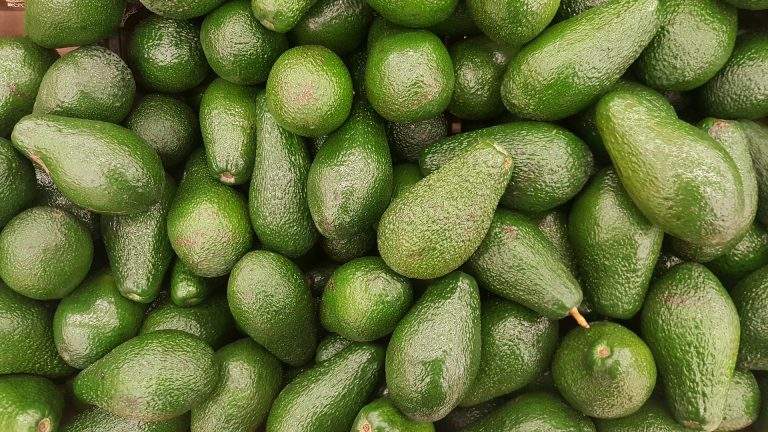
Here is how it works and how to do it properly.
For more details on CA technology, visit our controlled atmosphere cold storage page.
Why Avocados Are Tricky to Store
Avocados are climacteric fruits – they continue to ripen after harvest. They produce ethylene gas, which triggers softening, colour change, and flavour development. That is useful if you want them to ripen quickly, but it is a problem if you need to store them for weeks.
The main challenges are:
- Chilling injury: Below about 4°C, many avocado varieties develop dark spots, greyish flesh, or fail to ripen properly.
- Moisture loss: Without high humidity, avocados shrivel and lose weight.
- Fungal decay: Stem‑end rot and anthracnose are common post‑harvest issues.
A CA cold storage addresses all three by controlling temperature, humidity, and gas levels.
Step‑by‑Step: How to Store Avocados in a CA Cold Room
1. Harvest at the Right Time
Pick avocados in the early morning or late evening when it is cool. Always harvest by hand to avoid bruising – damaged fruit does not store well. Never harvest in rainy weather; wet fruit is more likely to develop rot in storage.
Maturity matters too. Avocados do not ripen on the tree. They need to reach a certain dry matter content (usually around 21–23% for Hass) before they are ready for long‑term storage. If you pick them too early, they may never ripen properly, even with ethylene treatment.
2. Sort and Grade
Right after harvest, sort the avocados by size and quality. Remove any fruit that is:
- Bruised, cut, or damaged
- Diseased or insect‑infested
- Misshapen or showing signs of decay
Only store sound, healthy fruit. One bad avocado can release ethylene and spores that affect the whole batch.
3. Pre‑Cool – Do Not Skip This
Pre‑cooling removes field heat quickly. If you skip this step, avocados will stay warm inside the cold room, causing condensation and increasing the risk of decay.
The best method is forced‑air cooling. Aim to bring the fruit core temperature down to 4–6°C within 24 to 48 hours of harvest. The faster you cool them, the better they keep.
4. Temperature, Humidity, and Gas Control
This is the heart of avocado CA storage.
| Parameter | Recommended Value |
|---|---|
| Temperature | 4°C – 8°C (39–46°F) |
| Relative humidity | 80% – 90% |
| Oxygen (O₂) | 2% |
| Carbon dioxide (CO₂) | 10% |
Temperature: Keep the room at a steady 4–8°C. Below 4°C, many varieties suffer from chilling injury – the skin darkens, the flesh becomes greyish, and the fruit may not ripen properly. Above 8°C, ripening speeds up and shelf life shortens.
Humidity: 80–90% RH is ideal. If the air is too dry, avocados lose moisture and shrivel. If it is too wet, mould grows. You can add moisture by spraying water on the floor – never directly on the fruit.
Gas composition: This is where CA storage really shines. Lower oxygen (2%) and higher carbon dioxide (10%) slow respiration dramatically. At these levels, avocados enter a state of suspended animation – they stop ripening, and fungal growth is suppressed.
At 2% O₂ and 10% CO₂, avocados stored at 7.2°C remain in good condition after 6 weeks. Under similar conditions, Hass avocados can be kept for up to 9 weeks.
5. What to Expect After 60–70 Days
After two months in a well‑managed CA cold storage, avocados should still have:
- Firm, intact skin (green or dark, depending on variety)
- Fresh‑looking stems (green, not dried out)
- No visible mould or decay
- Normal ripening behaviour when brought out to room temperature
The spoilage rate is typically low, and the fruit remains marketable for export or delayed sale.
Extra Tips for Success
- Do not overload the room. Leave space between pallets for even air circulation.
- Remove ethylene. Even at low levels (0.1 ppm), ethylene can cause quality loss during CA storage. Use an ethylene scrubber if your storage is not already equipped with one.
- Check regularly. Even in a perfect storage, remove any fruit that shows signs of decay.
- Keep the door closed. Frequent opening lets in oxygen and disturbs the gas balance.
- Ventilate periodically. CO₂ and other gases can build up over time. Regular ventilation helps maintain air quality inside the room.
Is CA Storage Worth It for Avocados?
For commercial growers, exporters, and large distributors, the answer is yes.
Without proper storage, avocados last only 2–4 weeks even at ideal temperatures. With CA storage, you can extend that to 60–70 days. That gives you time to:
- Ship to distant markets by sea freight
- Avoid price crashes during peak harvest
- Supply customers year‑round
- Reduce post‑harvest losses significantly
The upfront investment in a CA cold storage is higher than a standard cold room, but for high‑value fruit like avocados, it pays back quickly.