 Haocool

Asparagus is one of those vegetables that tastes best when it is fresh — really fresh. It is crisp, slightly sweet, and full of flavour. But it is also one of the most perishable vegetables you can handle.
Here is the problem: asparagus has a respiration rate 15 times higher than an apple. That means it breathes fast, loses moisture quickly, and starts to deteriorate within days of harvest. At room temperature, fresh asparagus stays good for only 2 to 3 days. After that, the spears lose their snap, the tips soften, and the colour fades.
A well‑designed cold room changes that. With the right temperature and humidity, fresh asparagus can stay crisp and green for 30 to 45 days.
Here is a practical guide to storing asparagus in a cold room — from harvest and sorting to pre‑cooling and storage conditions.
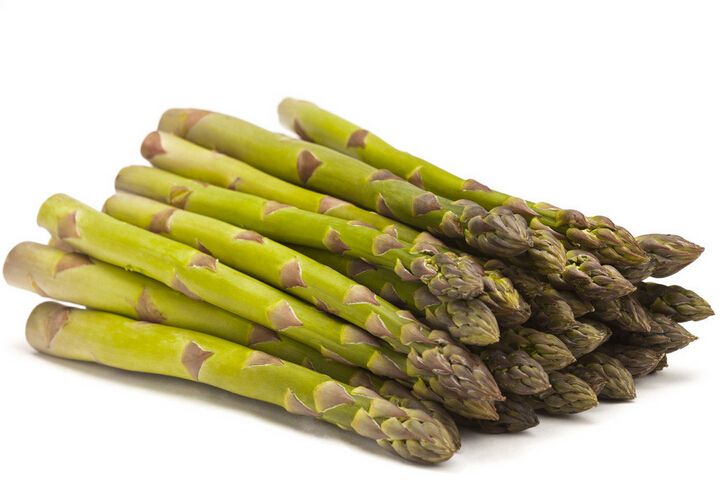
Step 1: Harvest at the Right Time
Asparagus should be harvested in the early morning, between 06:00 and 09:00, when the spears are cool and full of moisture. The ideal length for storage is 25 to 30 centimetres. Spears that are too short or too long do not store as well.
Never harvest asparagus in strong sunlight. Heat speeds up respiration and moisture loss. After cutting, move the spears to a shaded, cool area immediately and spread them out to allow field heat to escape.
Step 2: Sorting and Grading
After harvest, sort the asparagus by quality and size. Trim the ends evenly and remove any spears that are:
- Damaged by insects or disease
- Misshapen or crooked
- Bent or broken at the tip
Only store high‑quality, undamaged spears. One damaged spear can release moisture and ethylene that affects the whole batch.
Step 3: Pre‑Cooling — Essential for Asparagus
Pre‑cooling is not optional for asparagus. It quickly removes field heat and reduces respiration, which is critical for extending shelf life. The faster you cool the spears, the better they keep.
Use forced‑air cooling for the best results. Place the asparagus in the cold room with good air circulation, or use a dedicated pre‑cooling unit. Aim to bring the core temperature down to 1–3°C within 24 to 48 hours of harvest.
Step 4: Storage Temperature and Humidity
Now we get to the conditions that matter most.
| Parameter | Recommended Value |
|---|---|
| Temperature | 1°C – 3°C (34–37°F) |
| Relative humidity | 90% – 95% |
| Maximum safe storage | 30 – 45 days |
| Temperature fluctuation | Within ±1°C (avoid swings >2°C) |
Temperature: Keep the room at 1–3°C. Above 3°C, asparagus loses quality quickly. Below 1°C, it is at risk of freezing injury. Temperature swings larger than 2°C cause condensation on the spears, which leads to mould and decay.
Humidity: 90–95% relative humidity is ideal. If the air is too dry, the spears lose moisture and become tough and woody. If it is too wet, mould develops. You can maintain humidity by lightly spraying water on the floor — never directly on the asparagus — or by using a humidifier.
Under these conditions, fresh asparagus can stay crisp, green, and full of flavour for up to 45 days.

Why Cold Storage Makes Sense for Asparagus
Asparagus is a high‑value crop. Without proper cold storage, you have a very short selling window — two to three days at most. With a cold room, you can extend that to a month or more. That gives you the flexibility to sell when prices are high, not just when the spears are ready.
A well‑designed vegetable cold storage facility is a practical investment for any grower, wholesaler, or distributor who handles asparagus or other delicate vegetables.