 Haocool

If you are in the dairy business in Malaysia, you already know the challenge. Milk, cheese, butter, yogurt, and ice cream all have different temperature requirements, and getting them wrong means spoiled product, rejected shipments, and lost revenue.
A dedicated dairy cold storage solves that problem. It keeps your products at the right temperature, extends shelf life, and protects your brand. But the first question is always the same: how much does it cost to build a dairy cold storage in Kuala Lumpur?
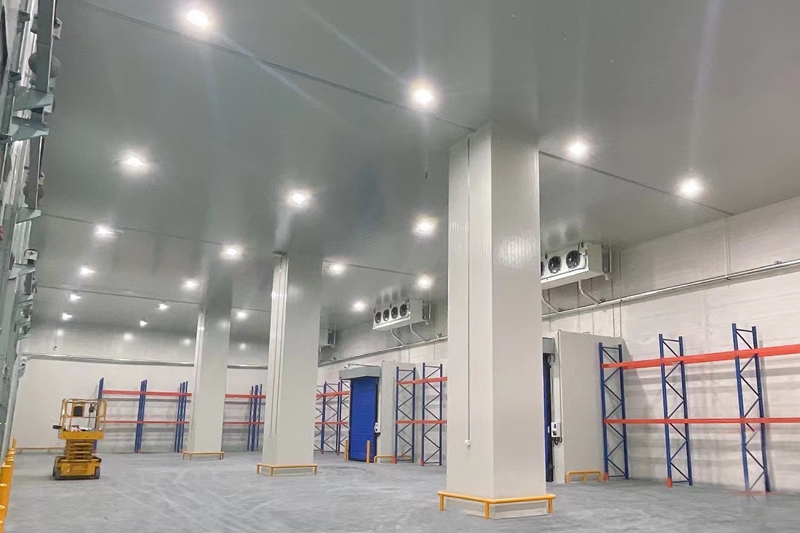
What Temperature Does a Dairy Cold Storage Need?
Dairy products are not all the same. Different products require different storage temperatures, and a well-designed dairy cold storage should accommodate that.
| Product Type | Recommended Storage Temperature |
|---|---|
| Pasteurised milk | 2°C – 6°C |
| Fermented milk / Yogurt | 2°C – 10°C |
| Cheese (processed) | 1°C – 6°C |
| Cream / High-fat dairy | 1°C – 4°C |
| Dairy ice cream / Frozen desserts | -20°C – -28°C |
For most chilled dairy products, the sweet spot is 2°C to 6°C. Cream and other high-fat products prefer slightly cooler temperatures, around 1°C to 4°C, to maintain texture and prevent separation. Frozen dairy products like ice cream require -20°C to -28°C, which is a completely different system.
A multi-temperature dairy cold storage is the most practical solution for businesses handling a range of products. It allows you to store chilled and frozen items in the same facility, with separate temperature zones for each.
Estimated Cost for Dairy Cold Storage in Kuala Lumpur
Based on similar projects in Malaysia, a dairy cold storage at -10°C to 0°C typically costs between the following ranges. All prices are in USD and Malaysian Ringgit (MYR), using a mid-2026 exchange rate of 1 USD ≈ 4.08 MYR.
| Size | Estimated Cost (USD) | Estimated Cost (MYR) |
|---|---|---|
| 100 m² | $29,000 – 37,000 | 118,000 – 150,000 |
| 500 m² | $88,000 – 103,000 | 360,000 – 420,000 |
| 1,000 m² | $147,000 – 176,000 | 600,000 – 720,000 |
These figures assume standard specifications: 100–120mm polyurethane insulation panels, a medium-temperature condensing unit from a reputable brand like Bitzer or Copeland, and basic temperature controls with humidity management.
For a more detailed breakdown of dairy cold storage solutions, visit our dairy cold storage solutions page.
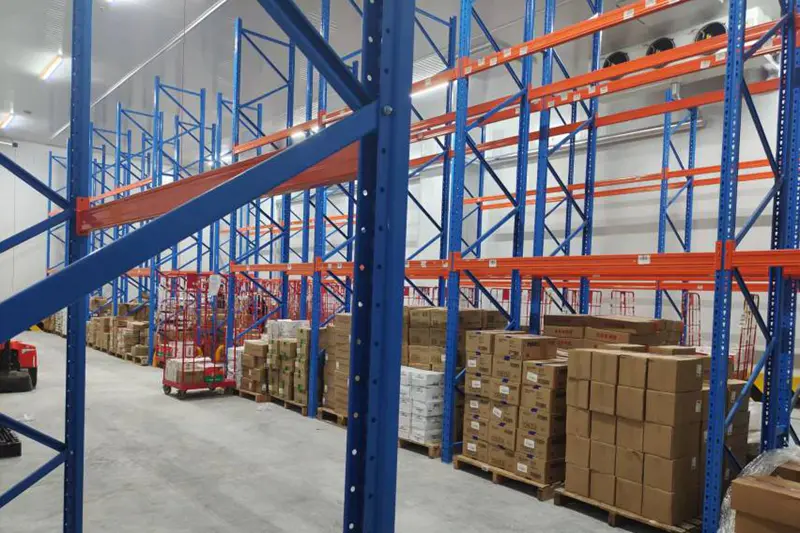
What Equipment Goes into a Dairy Cold Storage?
A reliable dairy cold storage requires several key components:
Insulation panels: For a chilled dairy room at 0–6°C, 100mm polyurethane double-face steel panels are typically sufficient. If you need frozen storage at -20°C or below, you will need 120–150mm panels. Thicker panels cost more upfront but reduce electricity consumption over the life of the facility.
Refrigeration equipment: A medium-temperature condensing unit from a reputable brand like Copeland (Emerson), Bitzer, or GEA. Scroll compressors are common for chilled applications because they are quiet, efficient, and reliable. For frozen storage, you need a low-temperature system with more powerful compressors.
Evaporators: Ceiling-mounted air coolers with electric defrost. The number and size depend on the room layout. For dairy products, maintaining stable humidity is critical to prevent condensation on packaging.
Floor system: For chilled rooms, a standard concrete floor with moisture barrier is usually sufficient. For frozen rooms, you need XPS insulation beneath the slab to prevent frost heave.
Doors: Insulated sliding doors or swing doors with good sealing. For high-traffic facilities, consider fast-acting doors or air curtains to minimise cold air loss.
Controls: A PLC-based system with remote monitoring and SMS alerts. For dairy products, temperature data logging is often required for quality certification and traceability.
What Factors Affect the Final Price?
Several variables can push the cost up or down by 15 to 20 percent.
Temperature range: A room designed for chilled dairy (2–6°C) costs significantly less than one with a frozen section (-20°C). The difference can be 30–40% of the total cost.
Number of compartments: A single large room is cheaper than multiple smaller rooms. But many dairy operators need separate zones — a chilled room for milk and yogurt, a cold room for cheese, and a freezer for ice cream. Each additional compartment adds cost for insulation walls, doors, and independent refrigeration controls.
Equipment brand: Premium brands like Bitzer or Copeland cost 20–30% more than good Chinese brands. They are more reliable and energy-efficient, which matters for a facility that runs 24/7.
Site conditions: Building in Kuala Lumpur’s industrial zones means good access to power and transport. If the site requires significant ground preparation, that adds to the budget.
Why Kuala Lumpur Makes Sense for Dairy Cold Storage
Kuala Lumpur is Malaysia’s largest consumer market and a key logistics hub. The city’s growing population and expanding food and beverage sector are driving demand for dairy cold storage.
The Malaysian dairy market is expanding, with increasing consumption of milk, cheese, yogurt, and ice cream. For dairy processors, distributors, and retailers, locating a cold storage in Kuala Lumpur offers several advantages:
- Proximity to the market — faster delivery to retailers and consumers
- Access to transport — Kuala Lumpur is connected to major highways and the port of Port Klang
- Growing demand — Malaysia’s food and beverage sector is expanding, and demand for quality cold storage is rising
Is a Dairy Cold Storage Worth It?
The short answer is yes — for any dairy processor, distributor, or retailer who wants to reduce spoilage and maintain product quality.
Without proper cold storage, dairy products spoil quickly. Milk lasts only a few days at room temperature. Cheese can dry out or grow mould. Ice cream melts and refreezes into an unappealing mess.
With a well-built dairy cold storage, you can:
- Extend shelf life from days to weeks or months
- Reduce spoilage from over 10% to under 3%
- Maintain consistent quality for retail and food service customers
- Store products during surplus and sell during shortage periods
A dairy cold storage is a practical investment for any business handling dairy products in volume. Most operators recover their investment within 2 to 3 years through reduced waste and better inventory management.