 Haocool

If you grow peaches or handle them commercially, you already know the challenge. Peaches are one of the most delicate stone fruits. They bruise easily, ripen quickly, and lose quality within days at room temperature.
The good news is that with the right cold storage conditions, peaches can last for weeks — and with controlled atmosphere storage, even months. But get the temperature wrong, and you will end up with dry, mealy fruit that no one wants to buy.
Here is a practical guide to peach cold storage, including optimal temperature, humidity, and shelf life for different storage methods.
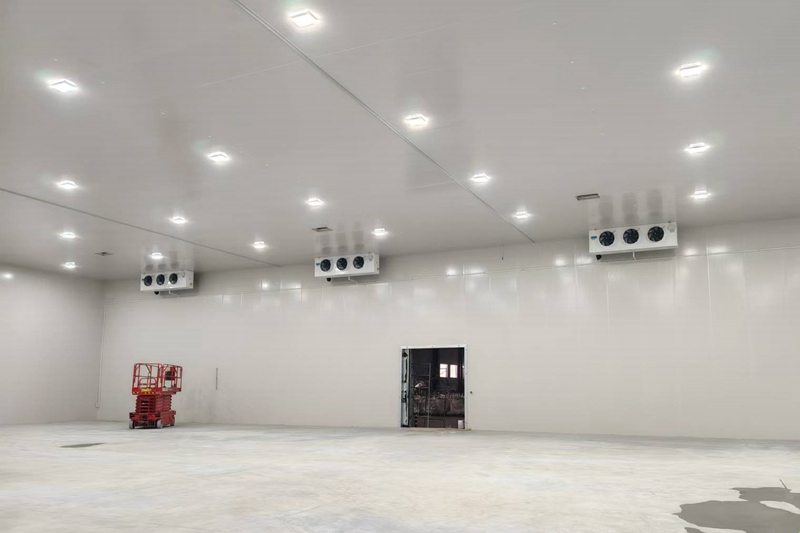
Interior view of a regular cold storage warehouse
Standard Cold Storage for Peaches
Peaches are sensitive to chilling injury. At temperatures below -1°C, the fruit is at risk of freezing damage. The safe storage temperature is 0°C, with relative humidity maintained at 90% to 95%.
Under these conditions, peaches can be stored for 3 to 4 weeks or longer.
However, there is a trade‑off. Even at 0°C, prolonged storage affects quality. The flavour gradually becomes milder, and the fruit can develop internal browning, especially when moved to warmer temperatures for ripening. The flesh may become dry, cottony, or soft, with noticeable browning around the pit.
To extend storage life in a standard cold room, some growers use plastic film packaging (small bags or liners) to create a modified atmosphere inside the package, which helps slow respiration and reduce moisture loss.
Controlled Atmosphere Storage for Peaches
For longer storage, controlled atmosphere (CA) storage is the better option. At 0°C, with 2% oxygen and 5% carbon dioxide, peaches can be stored for 6 to 8 weeks or longer.
The reduced oxygen and elevated carbon dioxide levels slow respiration significantly, helping to preserve firmness and flavour. CA storage also helps reduce chilling injury symptoms that normally appear during long-term cold storage.
For even better results, some CA rooms include an ethylene scrubber — typically a container filled with material soaked in saturated potassium permanganate solution. Ethylene is the ripening hormone that peaches produce, and removing it from the storage environment further extends shelf life and maintains quality.
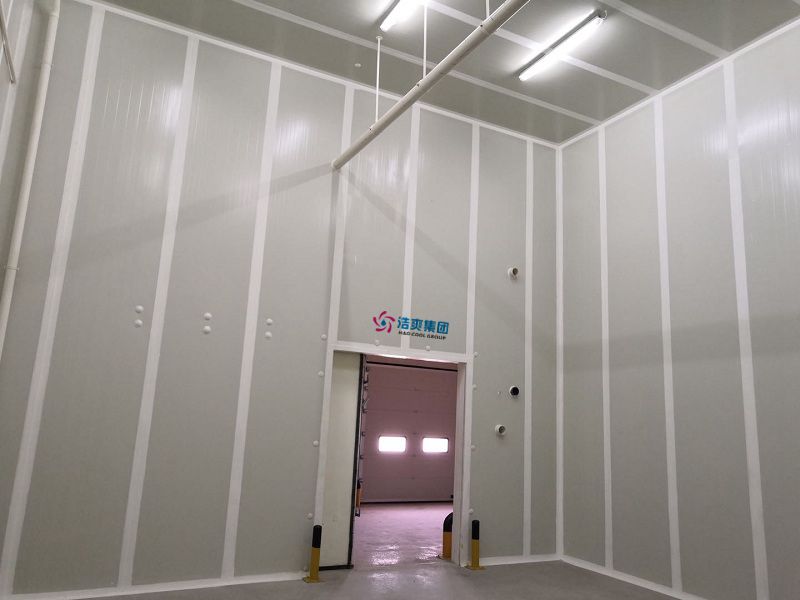
Interior view of the controlled atmosphere storage
Combined Approach: Low Temperature, Modified Atmosphere, and Chemical Treatment
Many commercial peach storages use a combination of methods for the best results.
Peaches at 80% to 90% maturity are harvested and packed. Each fruit is wrapped in paper and placed inside food‑grade polyvinyl chloride (PVC) or polyethylene (PE) bags, which are then packed into cartons or bamboo baskets. Alternatively, the fruit can be packed directly into the bags without individual wrapping.
The packed fruit is immediately pre‑cooled to bring the core temperature down to storage temperature. Once cooled, the bags are treated with a measured dose of sec‑butylamine fumigant to suppress mould growth, along with ethylene absorbers and carbon dioxide removers inside the bag. The bags are then sealed, the cartons are closed, and the pallets are stacked in the cold room, which is held at 0°C to 2°C.
Using this method, peaches can be stored for 50 to 60 days with a marketable fruit rate above 95% — and the fruit retains most of its original firmness and flavour.
Recommended Storage Conditions Summary
| Storage Method | Temperature | Relative Humidity | Oxygen | Carbon Dioxide | Expected Shelf Life |
|---|---|---|---|---|---|
| Standard cold storage | 0°C | 90–95% | Ambient | Ambient | 3–4 weeks |
| Controlled atmosphere (CA) | 0°C | 90–95% | 2% | 5% | 6–8 weeks |
| Combined method (CA + fumigant + ethylene scrubber) | 0–2°C | 90–95% | Modified atmosphere in bag | Modified atmosphere in bag | 50–60 days |
Critical Considerations for Peach Storage
Chilling Injury
Peaches are prone to chilling injury when stored at temperatures between 0°C and 5°C for extended periods. Symptoms include flesh browning, mealy texture, and loss of flavour. While 0°C is the standard storage temperature, the risk of chilling injury increases with time, which is why CA storage and ethylene removal are important for long-term storage.
Ethylene Management
Peaches produce ethylene, which triggers ripening. In a cold room, ethylene levels can build up and accelerate ageing. Using an ethylene scrubber or absorber is recommended for storage periods longer than 4 weeks.
Packaging Matters
The type of packaging used affects moisture loss and gas exchange. Perforated or non‑perforated plastic liners, individual paper wrapping, and the use of ethylene‑absorbing sachets all contribute to extending shelf life.
Final Thoughts
Peach cold storage requires careful temperature and humidity control. For short‑term storage of 3 to 4 weeks, a standard cold room at 0°C with 90–95% humidity is sufficient. For longer storage — 6 to 8 weeks or more — controlled atmosphere storage with 2% oxygen and 5% carbon dioxide is recommended. The most extended storage of 50 to 60 days can be achieved by combining CA conditions, ethylene removal, and targeted fumigation.
If you are planning to store peaches commercially, work with a cold storage specialist who understands the specific requirements of stone fruit. The right system will protect your product, extend your selling window, and maintain the quality your customers expect.
Note: Storage performance may vary by peach variety. Always test storage conditions on a small batch before scaling up to full commercial storage.