 Haocool

If you grow or export oranges, you already know the challenge. Egypt is one of the world’s top citrus producers, with a long export window stretching from November to late July. But without proper cold storage, a significant portion of that harvest can spoil before it ever reaches a buyer.
An orange cold storage solves that problem. It gives you control over when you sell, letting you avoid the harvest glut and tap into higher off-season prices.
So, what does it cost to build one in Egypt? The short answer is: it depends. There’s no single fixed price. The final cost is influenced by the size, the technology you choose, and a range of other factors. Here’s a breakdown of what you can expect.
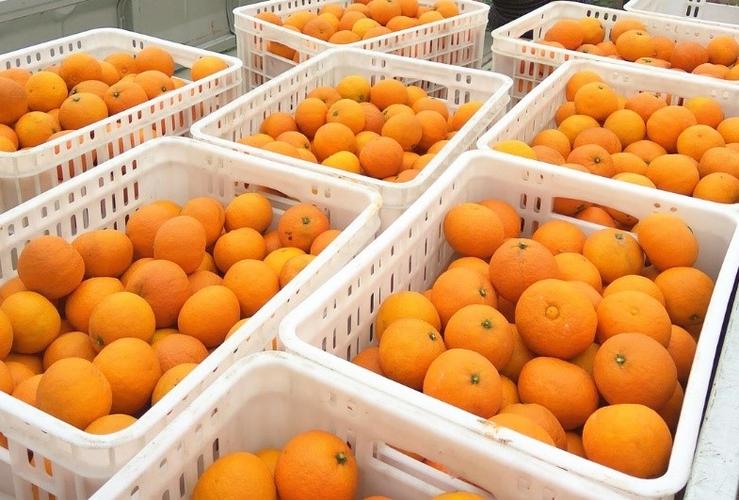
What Exactly Is an Orange Cold Storage?
An orange cold storage is a temperature-controlled facility designed specifically to extend the shelf life of oranges. It works by creating a stable, low-temperature environment that slows down the fruit’s natural respiration and inhibits the growth of microbes that cause spoilage.
There are two main types you’ll encounter:
- Standard Cold Storage: This is the most common type. It maintains a consistent temperature and high humidity, which is enough to keep oranges fresh for 3 to 4 months.
- Controlled Atmosphere (CA) Storage: This is a more advanced and expensive option. In addition to controlling temperature and humidity, a CA storage actively manages the gas composition inside the room, typically lowering oxygen and increasing carbon dioxide levels. This further suppresses the fruit’s respiration, significantly extending its shelf life to 5 to 6 months.
For a deeper look at CA technology, visit our Controlled Atmosphere Storage Solutions page.
The Egyptian Opportunity
Egypt’s climate is ideal for growing high-quality oranges, but the ambient heat is a major enemy of freshness after harvest. Investing in a reliable cold storage system is not just about preservation; it’s a strategic business move.
With proper cold storage, you can:
- Extend your selling window: Instead of being forced to sell everything immediately after harvest, you can store your crop and sell it gradually over several months.
- Capitalize on price peaks: Off-season demand often commands prices that are 2 to 3 times higher than during the harvest glut.
- Reduce post-harvest losses: Spoilage rates can be slashed from over 20% to under 5%, directly improving your bottom line.
Estimated Cost of an Orange Cold Storage in Egypt (USD)
To give you a starting point, here are some rough estimates for standard orange cold storage in Egypt. The prices are in USD and are based on general market data for similar projects.
| Size | Estimated Cost (USD) |
|---|---|
| 100 m² | $28,000 – $35,000 |
| 500 m² | $83,000 – $111,000 |
| 1,000 m² | $180,000 – $208,000 |
Note: These are broad estimates. A commercial-grade cold room can range anywhere from $280 to $420 per square meter. The final price for your project will be determined by the specific details of your requirements.
Factors That Influence the Final Price
Several key factors can cause the cost of your orange cold storage to go up or down.
1. Project Scale (Size & Height)
This is the most obvious factor. A larger facility requires more materials (insulation panels, flooring) and a more powerful refrigeration system. The height of the room also matters – a taller room means a larger volume to cool, which increases costs.
2. Type of Storage (Standard vs. CA)
As mentioned, a Controlled Atmosphere (CA) storage is significantly more expensive than a standard cold room. The additional cost comes from the specialized gas control equipment, sensors, and airtight construction required.
3. Temperature & Humidity Requirements
Different orange varieties have slightly different optimal temperatures. For instance, Navel oranges store best at 2–4°C, while Ponkan mandarins prefer 7–10°C. Storing oranges at the wrong temperature can cause “chilling injury,” leading to pitting, browning, and decay. A system designed for precise, low-temperature control will cost more. Humidity is also critical and should be maintained around 85–90% RH to prevent the rind from shriveling.
4. Equipment & Material Choices
- Insulation Panels: The thickness and quality of the polyurethane insulation panels have a direct impact on both cost and energy efficiency. Thicker panels (e.g., 120mm vs. 100mm) cost more upfront but will save you money on electricity in the long run.
- Refrigeration System: The brand and type of compressor (e.g., Bitzer, Copeland) significantly affect the price, reliability, and efficiency of the system. Higher-quality systems have a higher initial cost but often offer better performance and lower maintenance costs.
5. Location & Site Conditions
Building a cold storage in a remote area of Egypt will increase costs for transporting materials and labor. The condition of the site (e.g., whether you need to prepare the foundation) also plays a role.
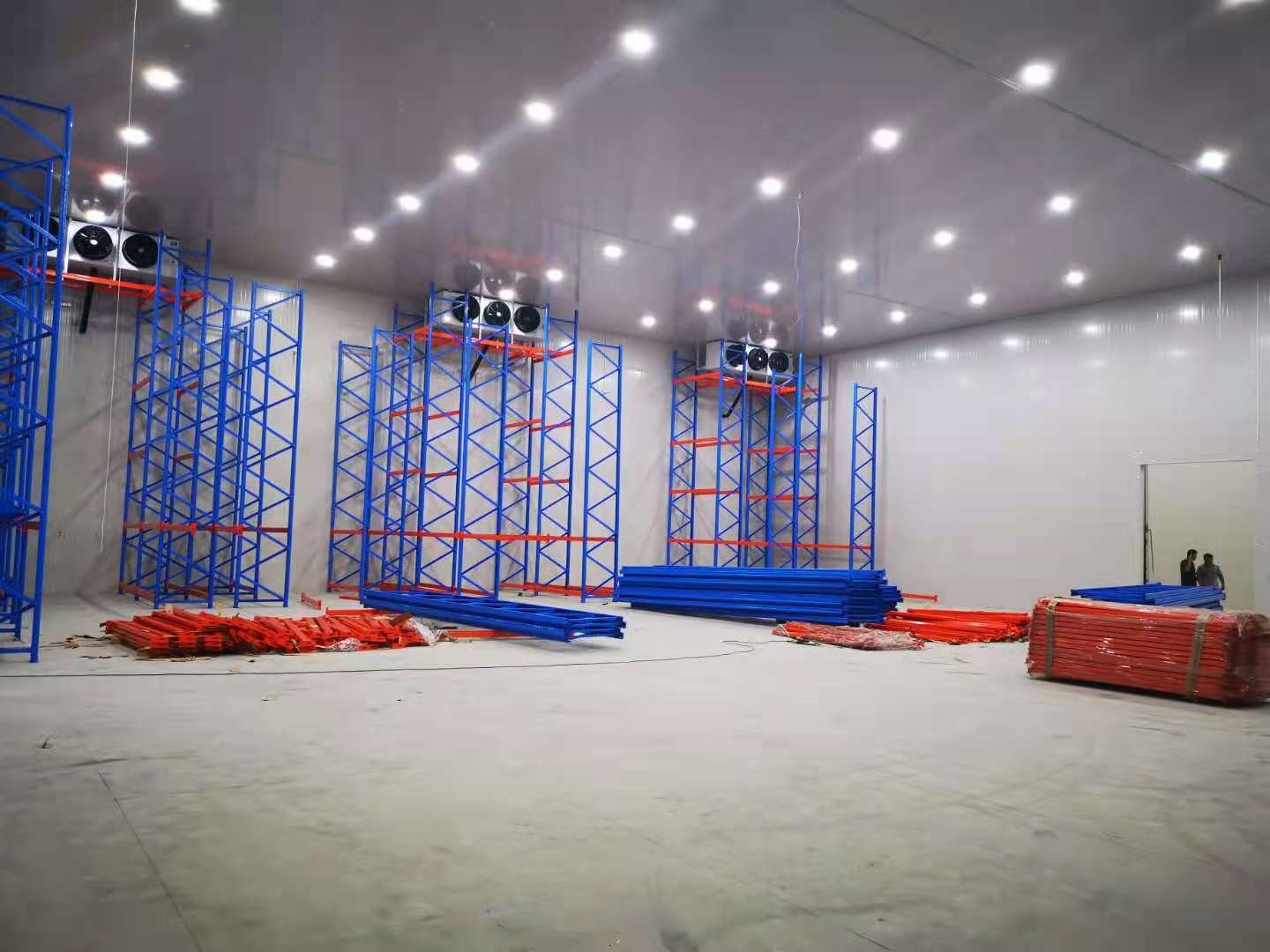
A Real-World Example: Large-Scale Storage
To see how these principles are applied on a large scale, you can look at a recent project. Our team completed a 10,000 m³ orange cold storage project in Shanghai. This facility, built for a major investment company, uses three separate chambers, Bitzer compressors, and 100mm polyurethane panels to maintain a stable 0–8°C environment for large-scale, year-round orange preservation.
This case study provides a practical look at the equipment and design choices that go into a successful, large-scale orange cold storage project.
Common Questions About Orange Cold Storage
Q: What is the ideal temperature for storing oranges?
A: Most orange varieties store best between 3°C and 5°C. However, it’s crucial to know the specific tolerance of your variety, as some can be damaged by temperatures that are too low.
Q: How long can oranges be stored in a cold room?
A: In a standard cold storage at the correct temperature, oranges can be kept for 3 to 4 months. With a Controlled Atmosphere (CA) system, this can be extended to 5 to 6 months.
Q: How much storage capacity does a typical cold room have?
A: A 200m² room with a 4-meter ceiling (800 m³) can store roughly 165 to 180 metric tons of oranges. As a rule of thumb, you can estimate needing about 4 to 5 cubic meters per ton of fruit.
Q: What is the ROI for an orange cold storage?
A: The return on investment can be very attractive. By reducing spoilage and selling at higher off-season prices, many operators recover their initial investment within 1.5 to 2 years.