 Haocool

How Much Does It Cost to Build a 700m² Cold Storage in Thailand?
If you are planning a cold storage project in Thailand, the first question that comes to mind is usually the cost. A 700 square metre facility is a significant investment, and the final price depends heavily on what you plan to store and how cold you need it to be.
For a fruit and vegetable cold storage (0–5°C), the total cost typically falls in the range of 700,000 – 850,000 RMB (approximately $103,000 – 125,000 USD or 3.6 – 4.4 million THB).
A -18°C freezer runs higher, around 900,000 – 1,050,000 RMB ($132,000 – 154,000 USD / 4.6 – 5.4 million THB).
A pharmaceutical cold storage with strict temperature and backup requirements can reach 900,000 – 1,150,000 RMB ($132,000 – 169,000 USD / 4.6 – 5.9 million THB).
These are rough estimates. The actual cost can vary significantly based on site conditions, equipment choices, and design complexity. Below is a practical breakdown of what drives the price and what you need to consider before you build.
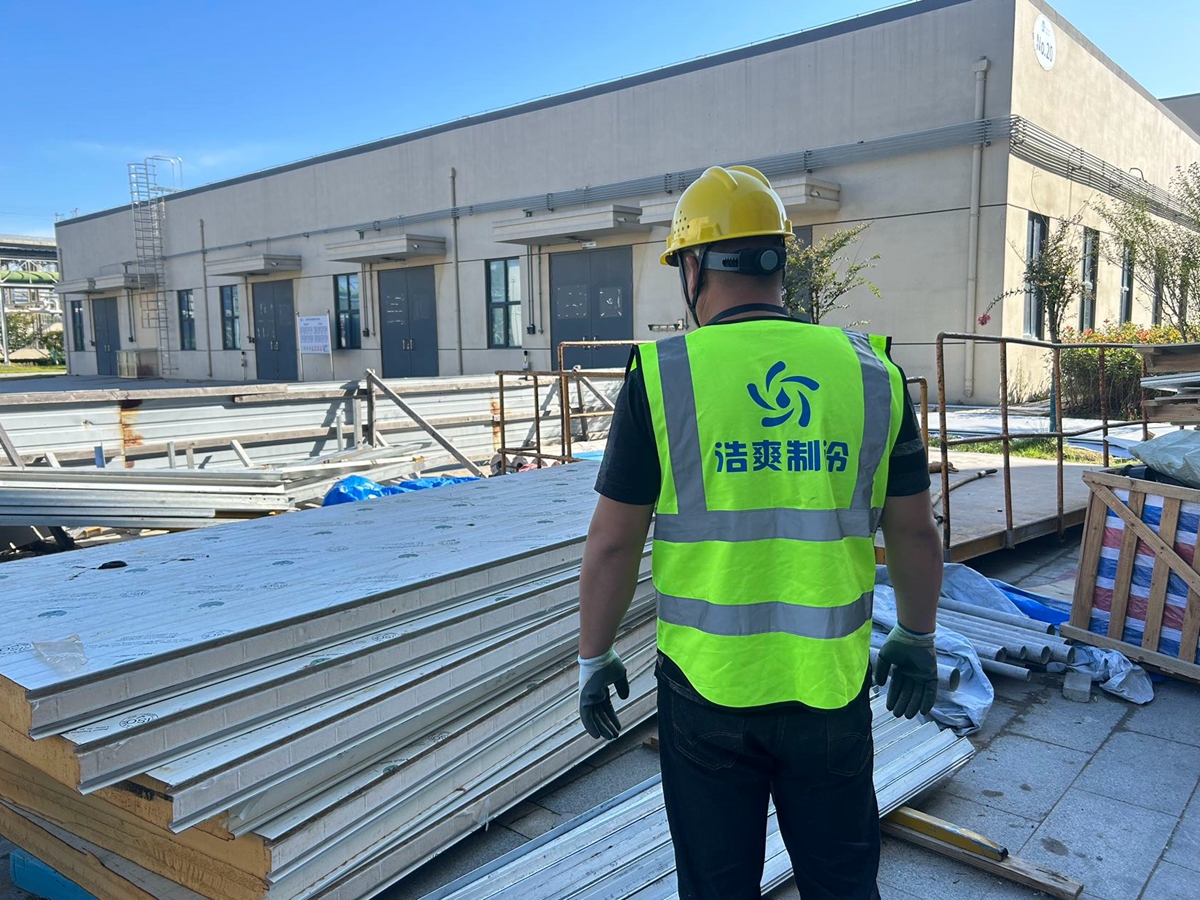
Cold Storage Types and Estimated Costs for 700m² in Thailand
| Storage Type | Temperature | Typical Use | Estimated Cost (700m²) | Cost per m² |
|---|---|---|---|---|
| Fruit and vegetable cold storage | 0°C to 5°C | Fresh produce, flowers | ~$103,000 – 125,000 USD | ~$147 – 178 |
| Meat and seafood freezer | -18°C to -25°C | Frozen meat, poultry, seafood | ~$132,000 – 154,000 USD | ~$189 – 220 |
| Pharmaceutical cold storage | 2°C to 8°C (GMP) | Vaccines, medicines | ~$132,000 – 169,000 USD | ~$189 – 241 |
These figures assume a standard ceiling height of around 4 metres, 100–150mm polyurethane insulation panels, and mid‑range equipment brands. Prices include materials, equipment, and installation—but not land or building structure.
What Drives the Cost in Thailand?
1. Temperature Requirements
This is the single biggest factor. A 0–5°C cold room for fresh produce uses 100mm insulation panels and a standard medium‑temperature condensing unit. A -18°C freezer needs 150mm panels, a larger compressor, and floor heating to prevent frost heave. The difference between a chilled room and a freezer can be 20–30% of the total cost.
Pharmaceutical cold storage adds another layer—dual refrigeration systems (one main, one backup), 24/7 temperature monitoring, and data loggers for audit trails. These requirements push the cost higher.
2. Insulation Panel Quality
Polyurethane double‑face steel panels are the standard in Thailand. Thicker panels cost more upfront but reduce electricity consumption over the life of the facility. In Thailand’s tropical climate, where ambient temperatures regularly exceed 35°C, skimping on insulation is a false economy—your compressor will run harder and your electricity bill will be higher.
3. Equipment Brand
Premium brands like Bitzer, Copeland, or GEA cost 20–30% more than good Chinese or regional brands. They are more reliable and energy‑efficient, which matters for a facility that runs 24/7. The long‑term savings often justify the higher initial investment.
4. Number of Compartments
A single large room is cheaper than multiple smaller rooms. But if you need separate zones for different products—or if you want to open only one small door at a time to save energy—expect to pay more for additional insulation walls, doors, and independent controls.
5. Site Location
Building in Bangkok or other major cities means higher labour costs but better access to equipment suppliers and technicians. Remote areas may have lower labour costs but higher transport fees for materials. Thailand’s tropical climate also means your refrigeration system needs to handle high ambient temperatures year‑round.
6. Power Infrastructure
Thailand’s electricity grid is generally reliable, but voltage fluctuations can damage compressors. A voltage stabiliser or automatic voltage regulator is a good investment. For pharmaceutical storage, a backup generator or UPS is often mandatory.
Practical Considerations for Thailand
Climate
Thailand’s hot and humid climate puts extra strain on refrigeration systems. Your equipment needs to be sized for peak summer conditions, not just average temperatures. Undersized systems will struggle to maintain temperature on the hottest days.
Building Structure
If you are retrofitting an existing building, costs are lower. If you need a new reinforced concrete structure, that adds significantly to the budget. Most cold storage facilities in Thailand use a steel frame with insulated panels, which is faster and cheaper to build.
Local Suppliers
Thailand has a growing cold chain industry. Local suppliers can provide most equipment and materials, which reduces shipping costs and lead times. However, for specialised equipment like pharmaceutical‑grade monitoring systems, you may need to import.
Is a 700m² Cold Storage Worth It in Thailand?
Thailand is a major agricultural exporter—mangoes, durian, mangosteen, rice, and more. Post‑harvest losses are significant without proper storage. A well‑built cold storage can reduce spoilage from over 20% to under 5%, extend your selling window, and allow you to access higher off‑season prices.
For importers and distributors, cold storage is even more critical. Thailand’s growing demand for frozen and chilled foods, combined with the expansion of modern retail and e‑commerce, makes cold chain infrastructure a sound investment.