 Haocool

If your cold storage is not reaching the set temperature, you have a problem. It is not just about food safety – it affects production schedules, inventory quality, and your bottom line. A cold room that cannot maintain temperature is a cold room that is losing you money.
This is one of the most common issues we hear about from facility managers. The good news is that most causes are diagnosable and fixable. Here are the five most likely reasons your cold storage temperature is not dropping – and what you can do about each one.
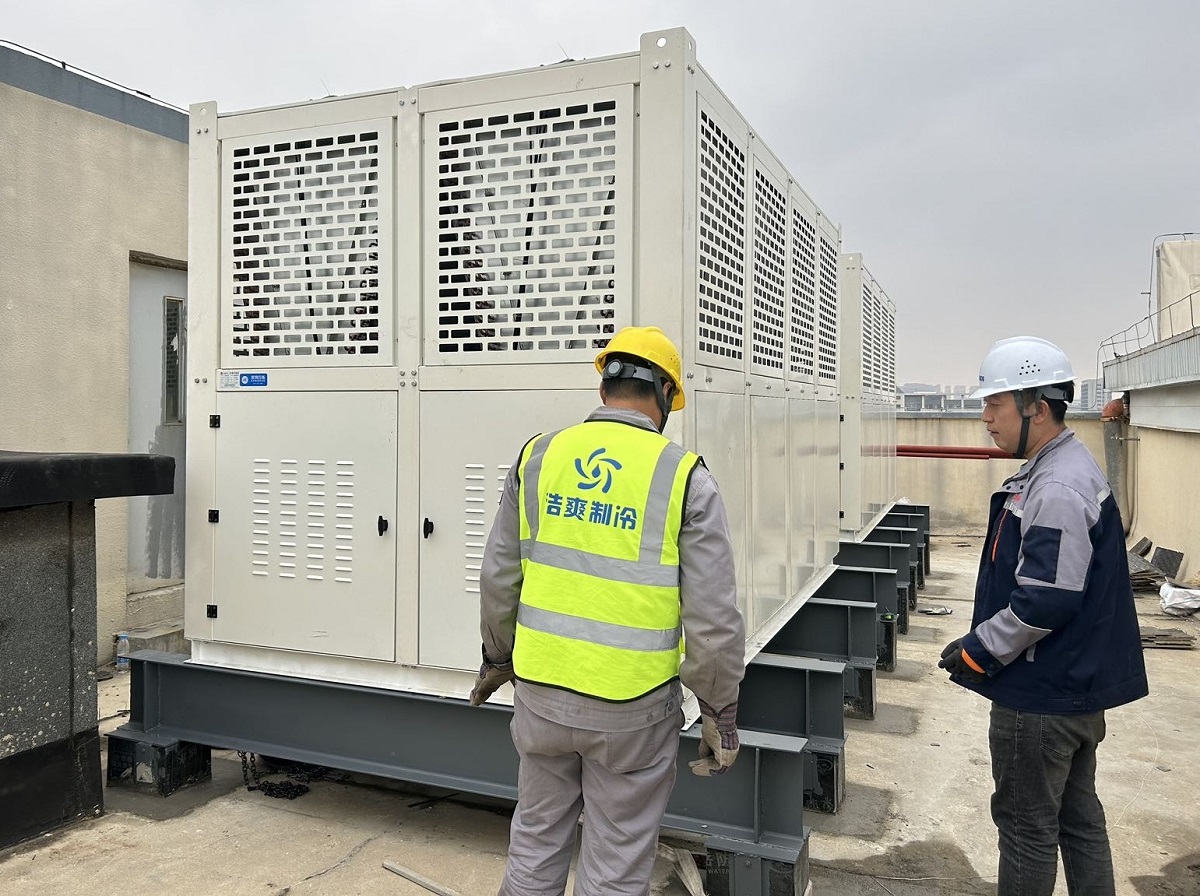
1. Refrigeration System Failure
The refrigeration system is the heart of your cold storage. If it fails, nothing else matters.
Failures can take many forms:
- Mechanical failure – a worn compressor, a broken fan motor, or a seized valve.
- Electrical failure – a blown contactor, a faulty thermostat, or a tripped breaker.
- Blocked pipes – debris or ice in the expansion valve or filter drier.
- Refrigerant leak – low refrigerant means low cooling capacity. If the system is short on gas, it will run longer and harder but still not reach the target temperature.
If you suspect a refrigerant leak, do not just top it up. Find the leak first – otherwise, you will be topping up again in a few weeks.
2. Insulation Breakdown
Insulation is what keeps the cold in and the heat out. When it fails, your compressor runs constantly to compensate.
Common insulation issues include:
- Worn or damaged panels – dents, cracks, or gaps in the polyurethane panels.
- Failed seals – around doors, pipe penetrations, or panel joints.
- Moisture ingress – wet insulation loses its thermal resistance completely.
If you notice condensation on the outside of the panels, or if the panels feel warm to the touch, your insulation is compromised. Fixing it early saves you from high electricity bills and shorter compressor life.
3. Overloading the Cold Room
Every cold room has a designed capacity. Exceed it, and the system cannot keep up.
When you pack too much product into the room:
- Air cannot circulate properly – warm spots develop, and the temperature becomes uneven.
- The system is overwhelmed – it takes longer to pull down the temperature, especially if the product was not pre‑cooled before loading.
- The evaporator coils may ice up – because the airflow is restricted.
A good rule of thumb: leave at least 20–30% of the floor space clear for air circulation. And always pre‑cool warm product before putting it into the main cold room.
4. Condensation and Moisture Issues
In humid environments, condensation can form on cold surfaces – especially on the evaporator coils, the ceiling, or the walls. When this happens:
- The moisture acts as an insulator, reducing heat transfer.
- Ice builds up on the evaporator, blocking airflow.
- The defrost system may not be keeping up.
If your cold room is running at high humidity and you see water dripping from the ceiling or pooling on the floor, you have a moisture problem. Check the door seals, the drain lines, and the defrost schedule.
5. Improper Use and Door Discipline
This is the most common – and most avoidable – cause of temperature problems.
- Doors left open too long – every time the door opens, warm, humid air rushes in. The system has to work harder to remove that heat.
- Frequent door openings – even short openings add up over a shift.
- Poor loading practices – blocking the evaporator fans or placing warm product directly under the thermostat sensor.
Train your staff on proper cold room discipline. Install strip curtains or fast‑acting doors if the room is accessed frequently. And make sure the thermostat sensor is not blocked by product or ice.
When to Call a Professional
If you have checked all five areas and the temperature is still not dropping, it is time to call a technician. Some problems – like refrigerant leaks, electrical faults, or compressor issues – require specialised tools and training.
A qualified technician will:
- Check the refrigerant charge and look for leaks.
- Test the electrical components and controls.
- Inspect the compressor and evaporator for mechanical wear.
- Review the system logs and defrost settings.
Do not ignore a temperature problem. A small issue today can become a major breakdown tomorrow – and a breakdown in cold storage means lost product, lost revenue, and lost trust.