 Haocool

If you are in the chili processing business, you already know that raw material storage is not an afterthought — it is a critical part of your production chain. The quality of your dried chili starts long before the drying process begins. Without proper storage, fresh chilies can spoil, mould, or lose quality before they even reach the dryer.
One of the most common questions we hear from chili processors is: what size should a chili drying raw material warehouse be?
The answer depends on several factors — production volume, seasonal variations, equipment layout, and site conditions. Here is a practical guide to help you figure out what works for your operation.
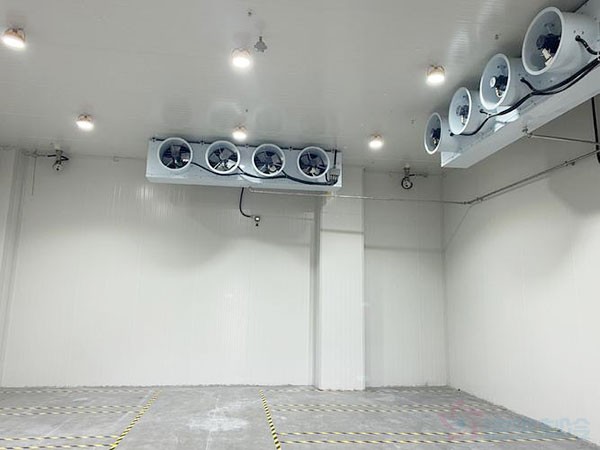
What Affects the Size of Your Drying Raw Material Warehouse?
Before you decide on dimensions, you need to consider four key factors.
1. Storage Capacity Requirements
This is the most important factor. How much raw chili do you need to store at any given time? Your warehouse size should match your daily processing capacity, seasonal peak volumes, and how long you need to hold inventory.
- A small to medium processor typically needs space for 10 to 20 tons of raw material.
- A large industrial operation may need 50 tons or more of storage capacity during peak harvest season.
2. Equipment Layout
Your warehouse is not just for stacking chilies. It also needs space for handling equipment — conveyor belts, drying machines, sorting tables, and ventilation systems. You need to plan for clear access routes so workers and forklifts can move freely.
3. Site Conditions and Building Height
The shape and height of your available building space will influence the design. A higher ceiling (3 to 5 metres) allows for better air circulation and higher stacking, which increases storage density without taking up more floor space.
4. Climate and Environment Control
If you are operating in a humid region, you may need extra space for insulation, dehumidifiers, and ventilation equipment. Proper climate control prevents mould growth and maintains chili quality before drying.
Recommended Dimensions for a Chili Drying Raw Material Warehouse
There is no one-size-fits-all answer, but here are some typical dimensions based on real projects.
Small to Medium Operation (15–20 Tons)
- Length: 8 metres
- Width: 6 metres
- Height: 4 metres
- Usable volume: approximately 192 m³
- Storage capacity: around 15 tons (depending on stacking method and chili variety)
- Features: includes space for basic handling equipment and access aisles
Large Operation (50+ Tons)
- Length: 12 metres
- Width: 10 metres
- Height: 5 metres
- Usable volume: approximately 600 m³
- Storage capacity: 50+ tons
- Features: designed for multiple rows of pallet racking, conveyor access, and dedicated staging areas
These dimensions are starting points. If you use multi-tier shelving or automated handling systems, you may be able to increase storage density within the same footprint.
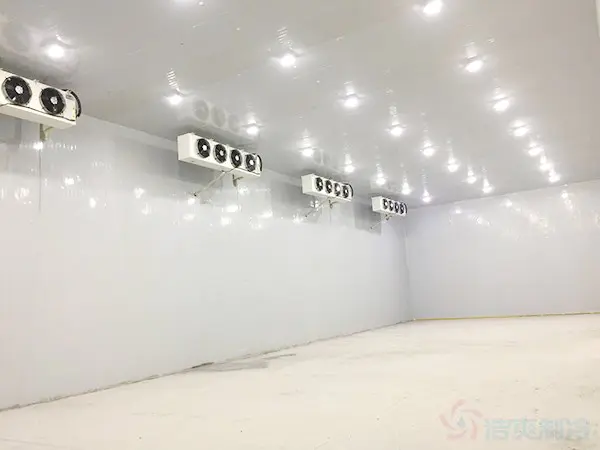
How to Improve Energy Efficiency in Your Drying Raw Material Warehouse
Once you have the right size, the next step is to make it work efficiently. Here are some practical tips.
Use Modular Design
Build your warehouse with future expansion in mind. A modular design allows you to add capacity when your business grows, without rebuilding from scratch.
Automate Climate Control
Automated temperature and humidity controls reduce the need for manual monitoring and help maintain consistent storage conditions. This is especially important in tropical or subtropical regions where humidity levels fluctuate significantly.
Leave Buffer Space
Plan for 10 to 20 percent extra space beyond your current needs. This buffer gives you flexibility to handle unexpected harvest volumes, try new product lines, or reconfigure your layout without disruption.
Prioritise Ventilation and Drainage
Proper airflow prevents moisture buildup and reduces the risk of mould. Good drainage also helps keep the floor dry and safe for workers. These features are often overlooked in the initial design but are critical for long-term success.
Monitor and Adjust
Regularly review how your warehouse is being used. If you notice bottlenecks or underutilised areas, adjust the layout to improve workflow. This continuous improvement approach helps you get the most value out of your investment.
Why a Well-Planned Drying Raw Material Warehouse Matters
A properly sized and designed drying raw material warehouse does more than just store chilies. It:
- Reduces post-harvest losses from spoilage and mould
- Improves drying efficiency by ensuring consistent raw material quality
- Gives you flexibility to buy during peak harvest when prices are low
- Protects your brand by delivering a higher-quality finished product
For many chili processors, the warehouse pays for itself within the first two seasons through reduced waste and improved production efficiency.
Final Thoughts
The ideal size for a chili drying raw material warehouse depends on your specific operation — your processing capacity, site conditions, and long-term growth plans. A small to medium operation typically needs around 192 m³ (8m × 6m × 4m), while larger operations may require 600 m³ or more.
Before you start building, work with a professional team who can assess your needs and design a solution that balances cost, capacity, and efficiency.
If you are planning a chili drying raw material warehouse, we can help you with a complete turnkey solution — from layout design to equipment selection and installation. Contact us for a free quote and detailed specification list.
To see how these principles are applied in a real large-scale project, take a look at our 5000 m³ chili cold storage project in Zunyi, Guizhou, China. This facility leverages advanced refrigeration and humidity control to maintain chili quality year-round, serving as a benchmark for the industry.