 Haocool

If you grow or trade broccoli in northern Thailand, you know the challenge. Broccoli is one of the most perishable vegetables on the market. At room temperature, it starts yellowing, softening, and losing quality within 7 days. Without proper cold storage, a large portion of your harvest simply disappears.
Chiang Mai is a major fresh produce hub, but the hot and humid climate makes post-harvest handling even more critical. A dedicated broccoli cold room solves the problem — it keeps your product fresh, extends your selling window, and protects your profit margin.
So, how much does a 100-ton broccoli cold room cost in Chiang Mai? And what do you get for your investment?
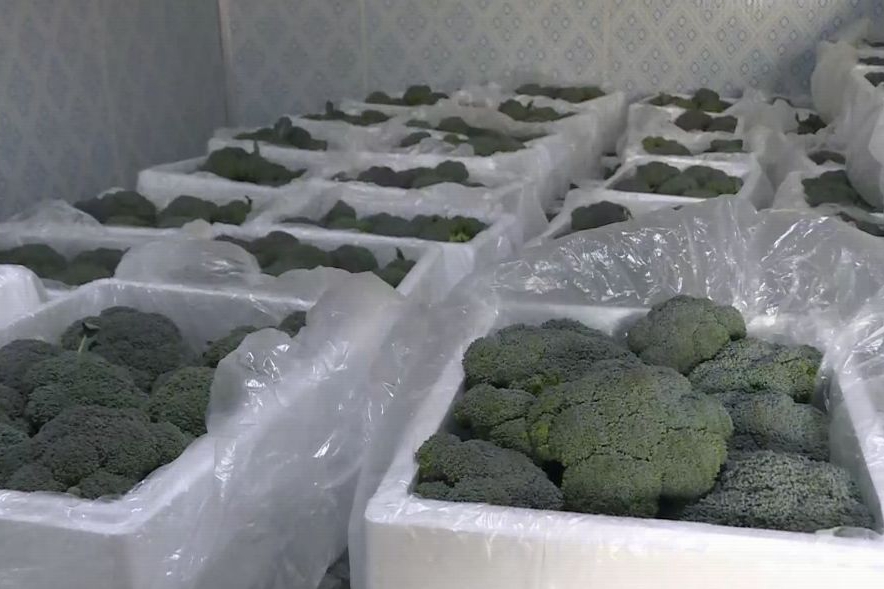
The Right Storage Conditions for Broccoli
Broccoli is sensitive to both temperature and humidity. Getting these parameters right is the key to long-term storage.
| Parameter | Recommended Value |
|---|---|
| Temperature | 0°C – 1°C (32–34°F) |
| Relative humidity | 90% – 95% |
| Maximum safe storage | 3–4 weeks |
| Ethylene sensitivity | High (store away from ethylene-producing fruits) |
At 0–1°C and 90–95% RH, broccoli stays fresh and green for 21 to 28 days. Below 0°C, it suffers from freezing injury. Above 1°C, it yellows quickly and loses market value. Humidity below 90% causes wilting and weight loss, while above 95% promotes mould growth.
Broccoli is also highly sensitive to ethylene gas. Never store it near apples, avocados, bananas, or tomatoes — they accelerate yellowing and decay.
How Much Space for 100 Tons of Broccoli?
Broccoli is bulky. It is typically packed in 10–12 kg cartons or crates, stacked on pallets with airflow gaps between layers.
A common rule of thumb for fresh produce cold storage is 5–6 cubic metres per metric ton. That includes space for pallets, aisles, and air circulation.
For 100 tons:
- 100 tons × 5 m³/ton = 500 m³ of usable storage volume (on the lower end).
- With a standard clear height of 3 metres, the floor area needed is roughly:
- 500 m³ ÷ 3 m = 167 m².
| Parameter | Value |
|---|---|
| Storage capacity | 100 tons |
| Storage density | 5–6 m³ per ton |
| Usable volume | ~500 m³ |
| Ceiling height | 3 metres |
| Floor area | ~170 m² |
For a mid-sized broccoli farm or trader in Chiang Mai, this is a practical size. It holds about one full harvest season’s worth of premium-grade broccoli.
Estimated Total Cost in Chiang Mai
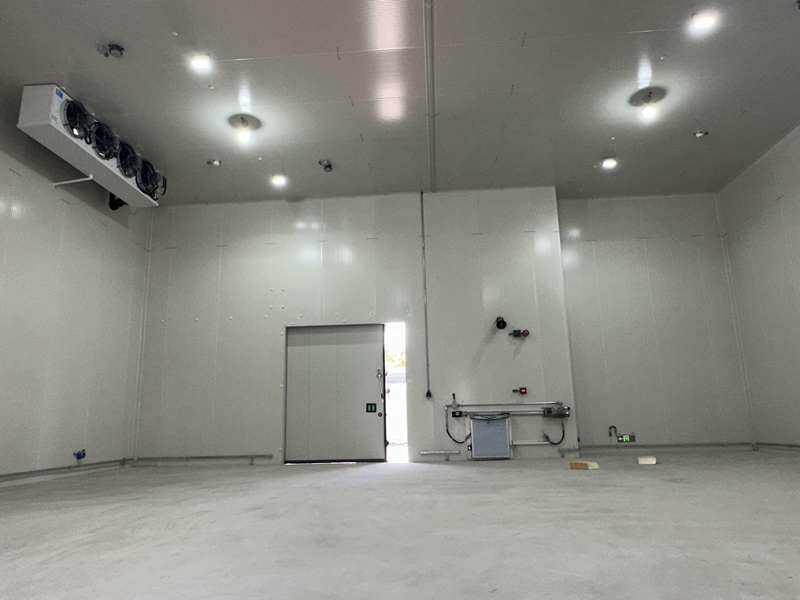
Based on real project data for fresh produce cold rooms in Southeast Asia, a 100-ton broccoli cold room (approximately 170 m², 500 m³) typically costs between $28,000 and $42,000 USD.
Here is a rough breakdown of where the money goes:
| Component | Estimated Cost (USD) |
|---|---|
| Insulation panels (100mm polyurethane, double-face steel) | $8,000 – 12,000 |
| Refrigeration equipment (compressors, condensers, evaporators) | $10,000 – 15,000 |
| Electrical and control systems | $3,000 – 5,000 |
| Doors and sealing | $2,000 – 3,500 |
| Installation and labour (Chiang Mai) | $3,500 – 5,000 |
| Engineering, design, and permits | $1,500 – 2,500 |
| Total (approx.) | $28,000 – 42,000 |
These figures assume standard specifications: 100mm polyurethane panels, a medium-temperature condensing unit from a reputable brand like Copeland or Bitzer, and a PLC-based temperature controller with remote monitoring.
For a more detailed breakdown of broccoli cold storage requirements, visit our broccoli cold storage temperature guide page.
What Factors Affect the Final Price?
Several variables can push the cost up or down by 15 to 20 percent.
Temperature range: A room designed for 0–1°C costs slightly more than one for 2–5°C because it requires more precise control and thicker insulation.
Equipment brand: Premium brands like Bitzer or Copeland cost 20–30% more than good Chinese brands. They are more reliable and energy-efficient, which matters for a facility that runs 24/7.
Number of compartments: A single large room is cheaper than multiple smaller rooms. But if you need separate zones for different products, expect to pay more for additional insulation walls and independent controls.
Site conditions: Building in Chiang Mai’s industrial zones means good access to power and transport. If the site requires significant ground preparation, that adds to the budget.
Why a Broccoli Cold Room Makes Sense in Chiang Mai
Chiang Mai is a strategic location for fresh produce handling. The city sits at the crossroads of northern Thailand’s agricultural regions, with good road links to Bangkok and export markets.
A well-built broccoli cold room gives you several advantages:
- Reduced spoilage — from over 20% to under 5%
- Extended selling window — from 7 days to 3–4 weeks
- Better market timing — sell when prices are high, not just during harvest
- Export readiness — maintain quality for regional and international shipments
For a mid-sized broccoli grower or trader, a 100-ton cold room pays for itself within 2 to 3 seasons through reduced waste and better pricing.