 Haocool

Author: Zhang Lei, Senior Plateau Fruit Cold Chain Engineer
11 years specialized in Xinjiang, Gansu plateau stone fruit cold storage design. Familiar with CAAS-XB-TG-2022 apricot preservation specification and UC Davis postharvest apricot standards, completed dozens of white apricot, sweet apricot cold storage projects in Xinjiang Turpan, Hami and Aksu planting bases.
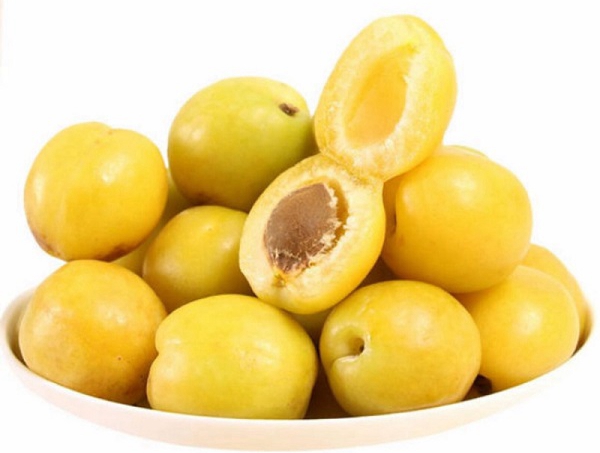
Xinjiang apricots (white apricot, sweet apricot) feature high sugar, thin peel and tender flesh, harvested in high-temperature summer with strong dry hot wind. Under ambient 28–38℃ field conditions, apricots fully soften and rot within 3–5 days without standardized cold chain.
Critical Chilling & Rot Warning
- Long-term storage above 5℃ → Rapid ethylene release, peel browning and brown rot within 1 week;
- Continuous temperature below -1℃ → Irreversible pulp water-soaked chilling injury, lose market value permanently;
- RH lower than 85% → Severe weight loss & peel shrivel; RH higher than 95% → Mold growth at fruit stem.
1 Standard Harvest & Pre-Cool SOP (Xinjiang Dry Wind Adapted)
1.1 Scientific Harvest Rules
- Pick before 10 a.m. when dew fully evaporates; forbid picking under high noon dry hot wind (field heat surges sharply);
- Harvest 80% mature apricots (firm flesh, complete peel color), retain short fruit stalk to avoid pulp wound infection;
Reject cracked, insect-damaged, sun-scalded fruit directly on site; classify by size & ripeness separately.
1.2 Mandatory Forced Air Pre-Cooling (Core Loss Reduction Step)
- Finish pre-cool within 24 hours after picking to eliminate field heat;
- Target fruit core temperature: drop to 0–1℃ within 12–36h;
- Single-layer carton stacking during pre-cool, reserve 5cm air gap for uniform heat dissipation;
- Do not wash apricots before storage (washing breaks natural wax layer and accelerates rot), only wipe off surface dust dryly.
2 Authoritative Storage Parameter Table (Regular Cold vs CA Export Storage)
| Storage Mode | Stable Temp | Target RH | Max Safe Shelf Life | Applicable Scenario |
|---|---|---|---|---|
| Ordinary Fresh Cold Room | -0.5 ~ 1℃ | 90–95% | 10–14 days | Domestic short-distance wholesale within two weeks |
| CA Controlled Atmosphere Warehouse | -0.5 ~ 1℃, O₂ 3–5%, CO₂ 2–3% | 90–95% | 30–45 days | Cross-border sea export long-distance transportation |
3 Warehouse Storage Standard & Five Separation Stacking Rules
3.1 Humidity & Vent Control For Xinjiang Arid Climate
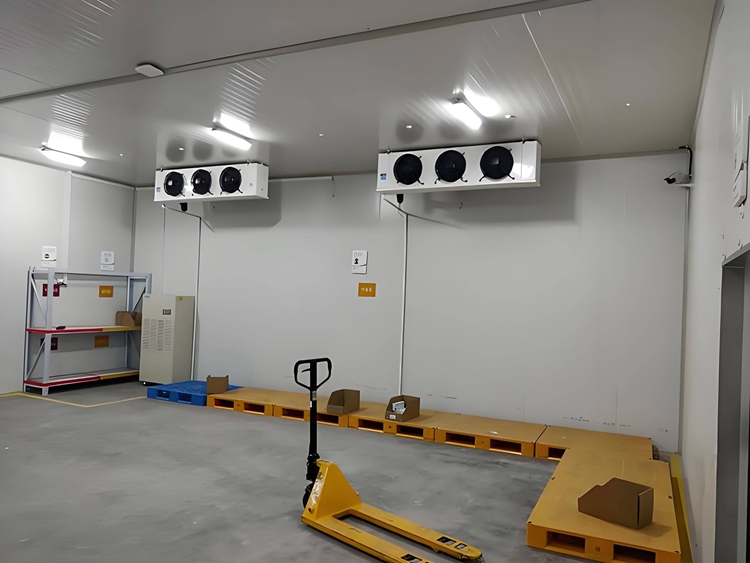
- Equip automatic high-humidity humidifier to maintain 90–95% RH, offset dry plateau outdoor air;
- Low-speed air coolers only, avoid strong wind direct blow causing peel dehydration;
Daily short ventilation at dawn when outdoor temperature is lowest to discharge accumulated ethylene.
3.2 Standard Five Separation Stacking Principle (Optimized For Xinjiang Apricot)
- Separate different apricot varieties (white apricot / sweet apricot);
- Separate maturity grade (80% mature / nearly ripe);
- Separate new & old harvested batches;
- Separate intact fruit & minor damaged fruit;
Separate dry-surface fruit & residual dew fruit.
3.3 Loading Limit & Pallet Layout
- First batch loading volume shall not exceed 30% of total warehouse capacity (prevent instant temperature spike);
- Reserve 300mm gap between stacks & warehouse walls; carton gap 3–5cm for cold air circulation;
- Maximum stacking height ≤7 layers to avoid bottom fruit extrusion bruising.
4 Regular Inspection & Disease Prevention Standard
- Inspection cycle: Every 3 days (Xinjiang high temperature accelerates rot, 10-day interval leads to whole batch loss);
- Inspection focus: Stem mold, peel brown spots, softening apricots; remove spoilage fruit immediately to block ethylene spread;
- Isolation rule: Strictly separate apricot warehouse from ethylene-rich fruits (apple, banana, tomato) to avoid premature ripening.
5 6 Common Xinjiang Apricot Storage Loss Causes & Fixes
- Store above 5℃ for long time → Mass brown rot
Solution: Lock warehouse temp at -0.5~1℃, install over-temperature automatic alarm - RH lower than 85% all month → 8–12% weight loss from shrivel
Solution: Turn on constant humidifier 24h daily - Skip pre-cool & stock hot field apricots → Mold outbreak within 5 days
Solution: Complete forced-air pre-cool before warehousing - Mix storage with apples → Uneven early yellowing
Solution: Independent dedicated apricot cold room without mixed fruit - Cartons tightly stacked without gaps → Local hot zones cause softening
Solution Leave 5cm air gap between all layers - Warehouse ventilated at noon hot period → Temperature fluctuation spikes
Solution Only ventilate early morning low temperature window
6 FAQ For Xinjiang Apricot Planting Cooperatives
Q1 Why cannot store apricots at 8–15℃ as some low-quality guides write?
A Per UC Davis and Western China agri apricot standards, apricot is heat-sensitive stone fruit. Temperature over 5℃ sharply boosts respiration and ethylene release, leading to large-scale rot within a week, completely unsuitable for long-term preservation.
Q2 What’s the storage advantage of CA cold storage for Xinjiang export apricots?
A Under matched O₂ & CO₂ gas environment, apricot shelf life extends from 14 days to over 40 days, matching ocean freight cycle for Southeast & EU export.
Q3 Does Xinjiang dry climate need special humidification equipment?
A Yes, Xinjiang outdoor air is extremely dry; without continuous humidification, apricot peel will shrink severely and lose sales weight.
Q4 How often should apricot warehouses be inspected in summer harvest season?
A Every 3 days at minimum; rotten fruit releases ethylene to contaminate surrounding batches if left for over one week.
Custom Apricot Cold Storage Inquiry
If you plan to build ordinary fresh or CA controlled atmosphere cold storage for Xinjiang apricot planting bases, provide warehouse volume and annual output to get free layout drawing & itemized equipment quotation.