 Haocool

Cold storage systems can run into various problems over time. One common category of issues is related to compressor protection trips. When the compressor stops unexpectedly due to a safety device, it’s often a sign of an underlying problem that needs attention, not just a random glitch.
Compressor protection faults can bring your operations to a halt. Let’s break down three of the most common culprits—discharge temperature, oil temperature, and cooling water failure—and explore practical ways to troubleshoot them.
For high‑quality replacement parts and new units, take a look at our cold storage refrigeration units page.
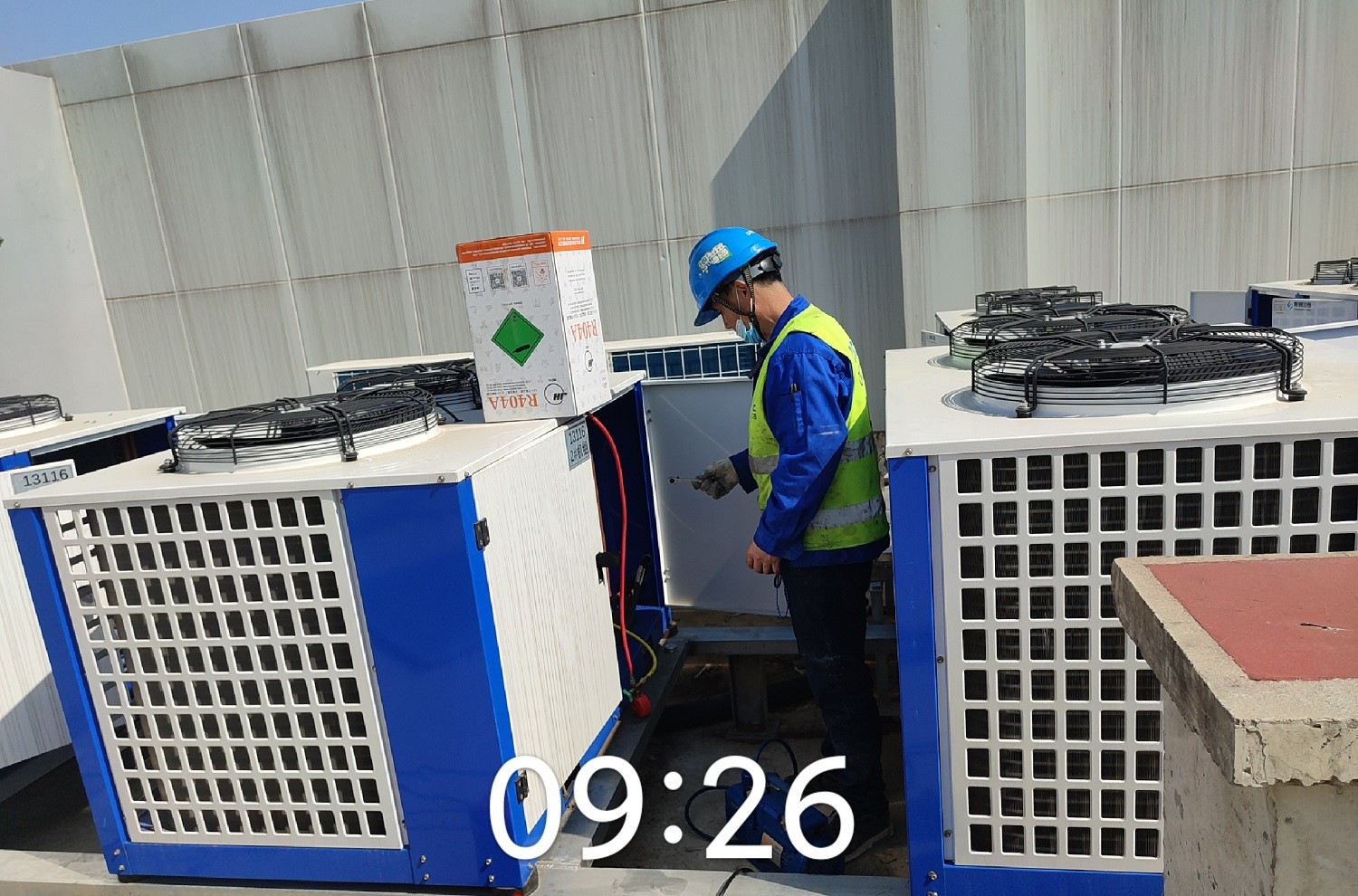
1. Discharge Temperature Protection
This fault happens when the compressor’s discharge temperature gets too high. High discharge temperature shortens the compressor’s life, causes lubricating oil to carbonise, and breaks down the refrigerant. In severe cases, the compressor may stop running altogether.
Why does it occur?
- Insufficient condenser cooling (dirty coils, fan failure)
- Overcharged refrigerant
- Non‑condensable gases (air, moisture) in the system
- High compression ratio (e.g., evaporator too cold or condenser too hot)
What to do?
First, measure the discharge temperature with a proper temperature controller. If it’s above the recommended range (typically 80–100°C for R404A or similar), don’t just force‑reset the compressor. You need to cool it down – for example, by injecting a small amount of liquid refrigerant into the suction line (using a controlled method) or by improving condenser airflow. Never let the compressor run continuously at high discharge temperatures.
2. Oil Temperature Protection
Compressor oil needs to stay within a certain temperature range – usually 20°C to 40°C (68–104°F) , and never above 70°C (158°F). If the oil gets too hot, its viscosity drops. Thin oil can’t protect moving parts properly, leading to increased wear on bearings, crankshaft, and piston rings. In extreme cases, it can cause the compressor to seize.
Why does oil overheat?
- High discharge temperature (as above) transfers heat to the oil sump
- Low oil level (not enough oil to carry heat away)
- Frequent short‑cycling (compressor starts and stops often)
- Insufficient oil cooling (if the compressor has an external oil cooler)
How to prevent it?
Install an oil temperature protection device that shuts down the compressor when oil temperature exceeds the safe limit. Also, check oil level regularly and ensure proper return of oil from the evaporator (especially in long piping runs). If the oil temperature climbs, find and fix the root cause – don’t just reset the protector.
3. Cooling Water Failure Protection
Many semi‑hermetic compressors have water‑cooled cylinder heads or oil coolers. When the cooling water supply is interrupted – even for a few minutes – the compressor’s internal temperature rises rapidly. Without water flow, metal parts expand, and in severe cases, the cylinder head or valve plate can warp.
What happens?
The compressor may continue running initially, but the lack of cooling quickly raises discharge and oil temperatures. If the water failure persists, the compressor will eventually trip on discharge or oil temperature protection – but by then, damage may have already started.
How to deal with it?
Always install a water flow switch on the cooling water line. Wire it in series with the compressor safety circuit. If water flow stops, the compressor should shut down immediately, not after overheating. Also, use a backup water source (e.g., a tank) or an alarm to notify operators before damage occurs.
General Tips to Avoid Compressor Protection Faults
- Keep the condenser clean. Dirty condensers cause high discharge temperatures.
- Maintain proper refrigerant charge. Overcharged or undercharged systems both stress the compressor.
- Check oil level and quality every few months. Change oil if it looks dark or smells burnt.
- Monitor pressure and temperature gauges daily. Small changes can warn you of a developing problem.
- Install a crankcase heater (if not already present) to prevent liquid slugging during start‑up.
When to Call a Professional
If you’ve tried basic checks and the compressor keeps tripping on protection, it’s time to call a cold storage technician. Guessing or bypassing safety devices can destroy the compressor. Sometimes the fault is not the compressor itself but a failed sensor, a blocked filter, or an undersized expansion valve.
For replacement compressors, condensing units, or spare parts, visit our cold storage refrigeration units page.