 Haocool

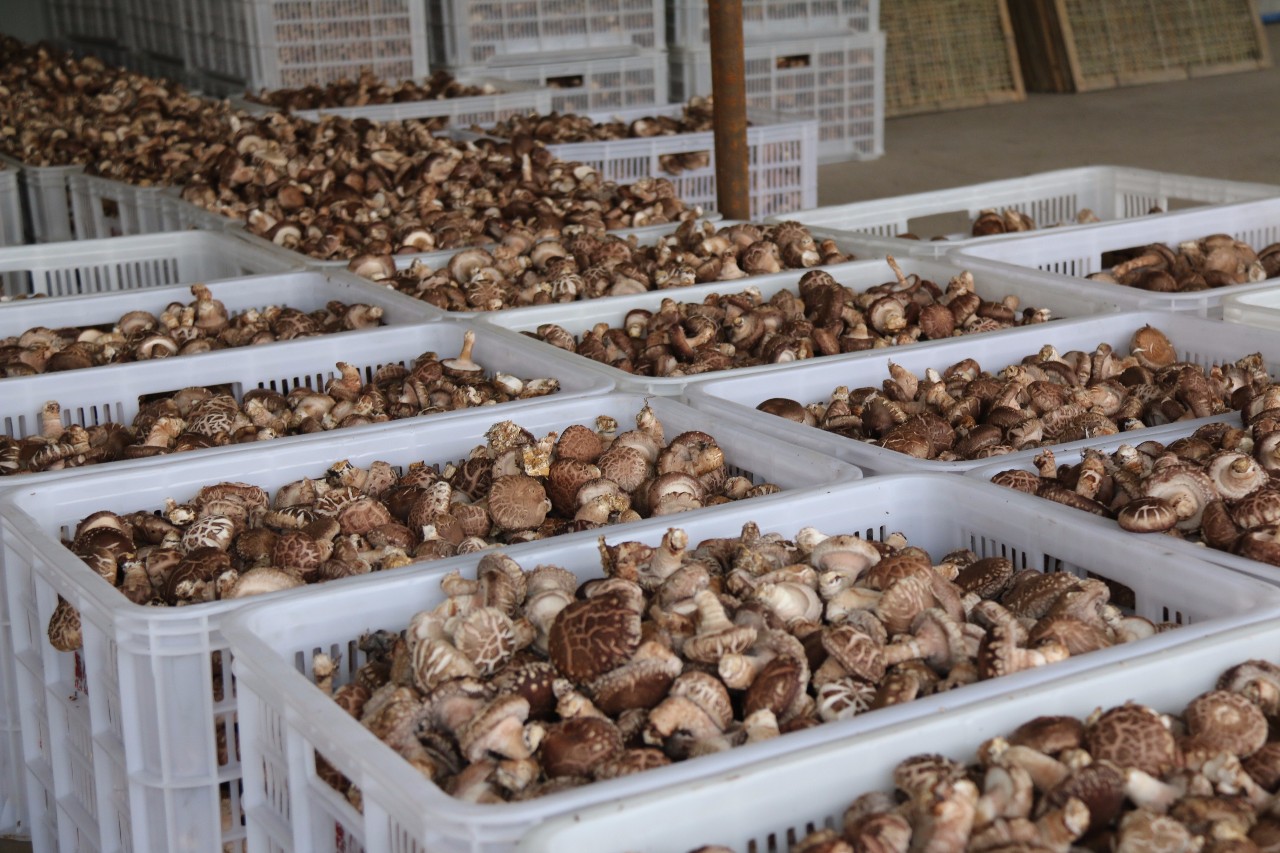
If you are planning to grow or trade shiitake mushrooms in Fergana, Uzbekistan, you already know that mushrooms are delicate. They spoil quickly without proper temperature and humidity control. A dedicated shiitake mushroom cold storage is essential to keep them fresh, reduce waste, and extend your selling window.
A local farmer in Fergana recently asked us: how much does it cost to build a mushroom cold storage here? Based on similar projects, a 200m² shiitake cold room costs roughly $48,600 – $62,500 USD (approximately 550–710 million Uzbek som depending on exchange rates). Larger rooms have a lower cost per square metre.
For a broader look at vegetable cold storage budgets, visit our vegetable cold storage construction cost page.
Ideal Temperature and Humidity for Shiitake Mushrooms
Shiitake mushrooms are different from leafy greens. They need:
- Temperature: 0°C to 3°C (32–37°F)
- Relative humidity: Around 95%
If the temperature goes above 3°C, mushrooms age faster and lose flavour. Below 0°C, they freeze and become mushy. Humidity is critical – too low (below 90%) dries them out; too high (above 98%) encourages mould.
A well‑designed shiitake cold storage maintains these conditions 24/7.
Estimated Cost in Fergana, Uzbekistan
Before building a cold storage in Fergana, you usually need to prepare a concrete floor and sometimes a shelter or canopy (especially if the cold room will be outdoors). The structure and foundation are often separate costs.
For a standard 200m² shiitake cold room (with 2.5–3m ceiling height), the total cost is approximately:
| Size | Estimated cost (USD) | Notes |
|---|---|---|
| 200 m² | $48,600 – $62,500 | Includes insulation, refrigeration, controls, installation |
| Larger (e.g., 500 m²) | Lower cost per m² | Economy of scale |
These prices assume 100mm polyurethane panels (enough for 0–3°C), a medium‑temperature condensing unit (e.g., 10–15HP), and appropriate evaporators with good air distribution to avoid dry spots.
What Affects the Cost in Fergana?
Several factors can change the final price:
| Factor | Impact |
|---|---|
| Site preparation (floor, canopy) | Adds $5,000–15,000 if not already present |
| Ceiling height (higher than 2.5m) | Increases volume, requires larger cooling capacity |
| Insulation thickness (120mm instead of 100mm) | +10–15% but better energy efficiency |
| Equipment brand (Copeland, Bitzer vs. Chinese) | +20–30% for premium |
| Backup generator (recommended due to grid stability) | Adds $8,000–12,000 |
How to Store Shiitake Mushrooms in a Cold Room – Practical Tips
Once your cold storage is installed, proper handling is key to long freshness.
1. Dry the Mushrooms Before Storage
Shiitake mushrooms are prone to mould. Before putting them into the cold room, gently dry the surface. You don’t need to dehydrate them – just remove excess moisture from washing or rain. Drying prevents mould growth during storage.
2. Keep Temperature Low and Stable
The whole purpose of a cold storage is to slow down respiration. Set the temperature at 0–3°C and avoid frequent door openings. Each time the door opens, warm, humid air rushes in, causing condensation on the mushrooms.
3. Avoid Light Exposure During Transport
Mushrooms are sensitive to strong light. When moving them in or out of the cold room, do it in the early morning or late evening. Direct sunlight can warm the surface and degrade quality.
4. Monitor Carbon Dioxide Levels
If your cold room is airtight (or if you use plastic wrap on pallets), CO₂ can build up. For shiitake mushrooms, CO₂ levels above 5% actually help suppress growth of some spoilage organisms and keep them fresher. However, too high (>10%) can cause off‑flavours. Good ventilation or CO₂ monitoring is useful for long‑term storage.