 Haocool

Author: Zhang Lei, Senior Plateau Vegetable Cold Chain Engineer
11 years cold storage design experience for vegetable planting bases and agricultural wholesale markets. Familiar with DB1310/T 343 Vegetable Cold Storage Local Standard & UC Davis postharvest technical data, completed hundreds of leafy, root and solanaceous vegetable cold storage projects across China major producing areas.
Different vegetable categories have huge differences in respiration rate, cold tolerance and ethylene sensitivity. Improper temperature and humidity will cause irreversible cold spots, yellowing, sprouting and mildew, leading to 10%–20% commodity loss within a short period.
Full Category Vegetable Storage Standard Table (Comply With DB1310/T 343)
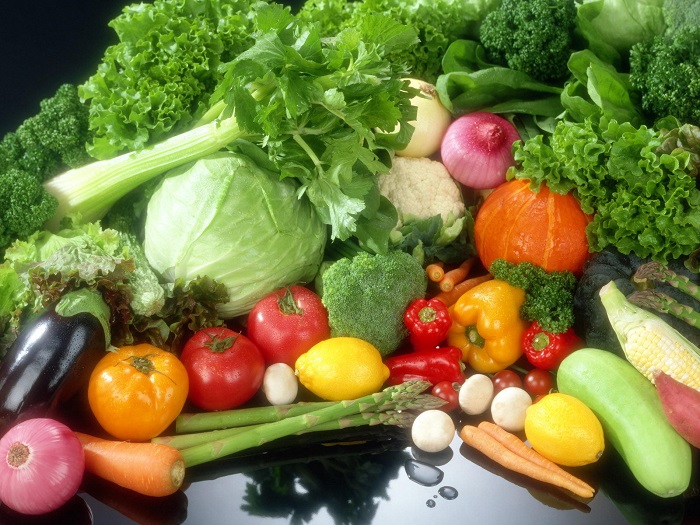
1. Leafy Vegetables (High Humidity, Cold Resistant, Ethylene Sensitive)
| Variety | Stable Temp | Target RH | Max Safe Shelf Life | Cold Damage Risk If Below Temp |
|---|---|---|---|---|
| Napa Cabbage / Cabbage / Cauliflower | 0 ~ +0.5℃ | 90–95% RH | 30–45 days | Yellow translucent leaf spots |
| Broccoli | -0.2 ~ +0.5℃ | 90–95% RH | 20–30 days | Flower head browning |
| Celery | -1.5 ~ 0℃ | 90–95% RH | 25–35 days | Stem hollowing |
| Spinach | -2 ~ 0℃ | 92–98% RH | 10–18 days | Leaf water-soaked lesions |
2 Root Vegetables (Medium-Low Humidity, Anti-Sprout Requirement)
| Variety | Stable Temp | Target RH | Max Safe Shelf Life | Storage Warning |
|---|---|---|---|---|
| Carrot | 0 ~ +1℃ | 88–92% RH | 60–90 days | High humidity causes root mold |
| Onion / Garlic | 0 ~ +0.5℃ / -2.5~+0.5℃ | 70–80% RH | 90–180 days | RH over 85% triggers sprouting |
| Potato | 3 ~ +5℃ | 75–82% RH | 120–200 days | Below 3℃ starch saccharification |
| Sweet Potato | 2 ~ +6℃ | 80–88% RH | 40–70 days | Low temp hard black core |
3 Solanaceous & Melon Vegetables (Cold Sensitive, Strict Anti-Ethylene)
| Variety | Stable Temp | Target RH | Max Safe Shelf Life | Cold Damage Threshold |
|---|---|---|---|---|
| Tomato | 10 ~ 11℃ | 85–90% RH | 12–20 days | Below 8℃ pulp soft rot |
| Chili Pepper | 8 ~ 10℃ | 85–90% RH | 15–25 days | Peel sunken dark spots |
| Bitter Melon | 10 ~ 13℃ | 85–90% RH | 8–14 days | Below 7℃ peel discoloration |
| Eggplant | 10 ~ 12℃ | 85–90% RH | 7–12 days | Surface brown scars |
| Cucumber | 11 ~ 13℃ | 88–92% RH | 6–10 days | Below 10℃ water-soaked skin |
Unified Humidity Operation Rule
- Leafy vegetables: Must maintain 90–95% RH, equip high-pressure micro-fog humidifier to avoid severe weight loss;
- Root vegetables: Keep low humidity 70–82%, use dehumidifier in rainy season to prevent sprouting & mold;
- Solanaceous melons: Medium humidity 85–90%, avoid direct cold air blowing on fruits.
Complete Postharvest Cold Chain SOP For Vegetables
Step 1 Harvest & Sorting
Pick before 10 a.m. without dew; remove cracked, insect-damaged, yellowed vegetables immediately; separate varieties to avoid ethylene cross-contamination.
Step 2 Mandatory Pre-Cooling (Core Loss Reduction Step)
Finish forced air pre-cool within 6–8 hours after picking, lower vegetable core temperature to target storage value; single-layer carton stacking, reserve air circulation gap to eliminate field heat rapidly.
Step 3 Warehouse Partition Rule (Non-Negotiable)
- Cold-resistant leafy/root zone: 0–5℃ independent chamber
- Cold-sensitive solanaceous/melon zone: 8–13℃ independent chamber
- Strictly forbid mixed storage of ethylene producers (apple, banana) with vegetables; separate aisle distance ≥3m.
Step 4 Daily Warehouse Operation Standard
- Ventilate for 30 mins every morning when outdoor temperature is lowest to exhaust CO₂ & ethylene;
- Check temperature & humidity data every 4 hours, allow fluctuation ≤±0.8℃ only;
- Remove rotten vegetables timely to prevent gas spread to surrounding batches.
5 Common Vegetable Storage Loss Causes & Solutions
- Store cold-sensitive cucumber/tomato below 8℃ → Irreversible cold spots
Fix: Build independent 10℃ warm storage zone, separate from leafy cold room - Mix cabbage with apples → Fast leaf yellowing within one week
Fix Physical partition, install ethylene adsorption equipment for vegetable warehouse - RH lower than 85% for spinach → 10%+ weight loss during sales
Fix Equip automatic micro-fog humidifier running 24h daily - High humidity storage for garlic/potato → Mass sprouting
Fix Configure dehumidifier, control RH under 80% - Skip pre-cooling before warehousing → Local high temperature dead zone mold outbreak
Fix Set independent pre-cool buffer area for all fresh batches
FAQ For Vegetable Planting Cooperatives
Q1 Why cannot cucumbers and cabbages share one cold room?
Cabbage can be stored at 0℃, cucumber will suffer permanent cold injury below 10℃; meanwhile fruits release ethylene to accelerate leaf vegetable aging, must separate two independent temperature zones.
Q2 What humidity equipment do leaf vegetable cold rooms need?
High-pressure micro-fog sterile humidifier to keep 90–95% RH, avoid large droplet water directly falling on vegetables causing mold.
Q3 What’s the longest storage time for garlic and potatoes?
Under 0.5℃ & 75% RH, garlic can be stored up to 180 days; potatoes at 3–5℃ low humidity environment can stay fresh over 6 months without sprouting.
Q4 What’s the allowable temperature fluctuation range in vegetable cold storage?
Comply with DB1310/T standard, internal temperature deviation must be controlled within ±0.8℃ to prevent batch cold damage.
Custom Vegetable Cold Storage Design Inquiry
If you plan to build single / multi-temperature vegetable cold room for planting bases, provide main vegetable varieties and warehouse volume to get free layout drawing and equipment matching scheme.