 Haocool

Fresh yellow peaches are one of summer’s greatest pleasures. They are sweet, juicy, and full of flavour. But they are also one of the most frustrating fruits to keep. Leave them on the counter for a few days, and they start to wrinkle, lose moisture, and eventually rot.
If you grow yellow peaches or buy them in bulk, you know the problem well. Without proper storage, you have a very short window to sell or consume them. But with a well‑designed cold room, you can extend that window to 30 days — and still have fruit that looks and tastes fresh.
Here is a step‑by‑step guide to storing yellow peaches in a cold room, from harvest to temperature control.
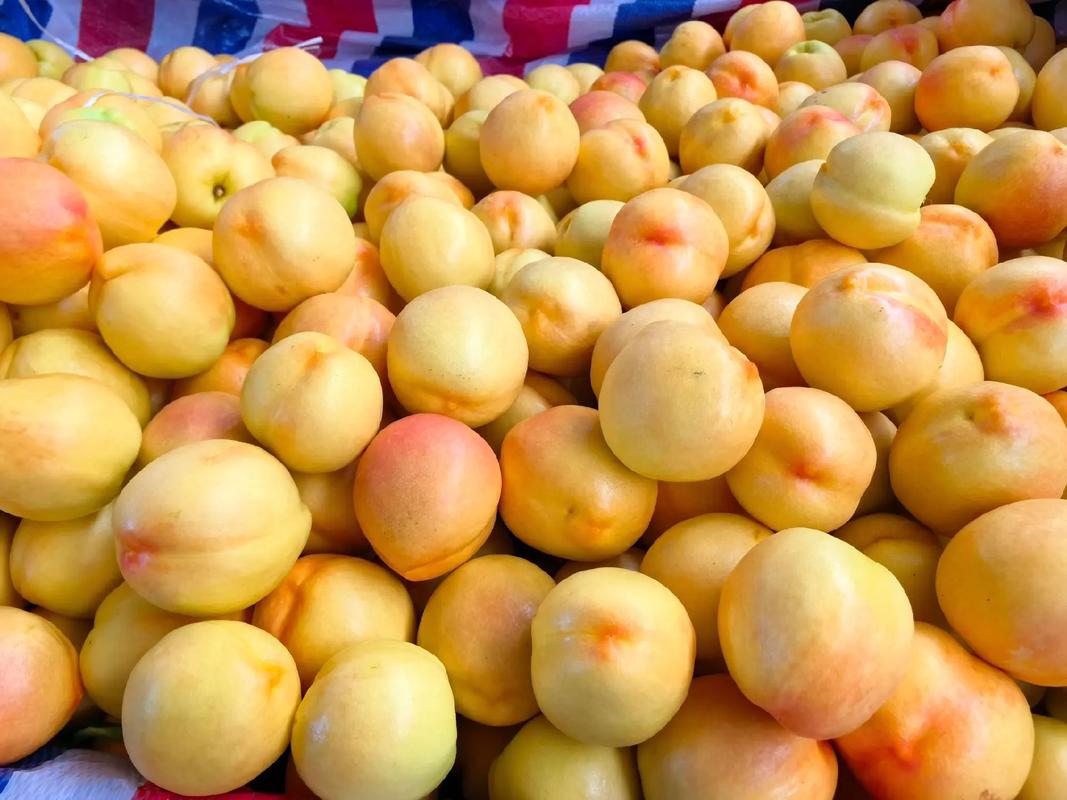
What Temperature and Humidity Does a Yellow Peach Cold Room Need?
Yellow peaches are climacteric fruits — they continue to ripen after harvest. To slow that process down, you need the right conditions.
| Parameter | Recommended Value |
|---|---|
| Temperature | 0°C – 1°C (32–34°F) |
| Relative humidity | 85% – 90% |
| Maximum safe storage | Up to 30 days |
| Temperature fluctuation | Within ±1°C (avoid swings >2°C) |
Temperature is critical. Above 1°C, peaches ripen too quickly and lose quality. Below 0°C, they suffer from chilling injury — the flesh becomes mealy and flavourless. The ideal range is a tight 0–1°C.
Humidity matters just as much. At 85–90% relative humidity, peaches retain their moisture and stay plump. If the air is too dry, they shrivel. If it is too wet, mould develops.
Temperature stability is non‑negotiable. Fluctuations larger than 2°C cause condensation on the fruit, which leads to mould and decay. A good control system with ±1°C accuracy is essential.
Step 1: Harvest at the Right Time
Pick yellow peaches on a dry, sunny or cloudy day. Never harvest in rainy weather — wet fruit carries moisture into storage, which leads to rot. If the fruit is wet when picked, spread it out in a shaded, well‑ventilated area to dry before moving to the next step.
Harvest at the right maturity. Peaches that are too green will not develop full flavour in storage. Peaches that are too ripe will not last long. The ideal stage for storage is when the fruit has reached full size and shows a slight colour change, but is still firm.
Step 2: Sorting and Grading
After harvest, sort the peaches carefully. Remove any fruit that is:
- Damaged by insects or disease
- Misshapen or cracked
- Bruised or overripe
- Too small or showing signs of decay
Only store healthy, undamaged fruit. One bad peach can release ethylene and moisture that affects the whole batch.
Step 3: Pre‑Cooling — Essential for Yellow Peaches
Pre‑cooling is not optional. It quickly pulls field heat out of the fruit, reducing respiration and slowing down ageing. Without pre‑cooling, peaches sweat inside the cold room, leading to condensation and mould.
Use forced‑air cooling for the best results. The faster you cool the fruit, the better it keeps. Aim to bring the core temperature down to 0–1°C within 24 to 48 hours of harvest. Set the pre‑cooling temperature at 6–8°C initially, then gradually lower it to the final storage temperature.
Step 4: Storage Temperature and Humidity
Once the peaches are pre‑cooled, move them to the main cold room.
| Parameter | Recommended Value |
|---|---|
| Temperature | 0°C – 1°C (32–34°F) |
| Relative humidity | 85% – 90% |
| Maximum storage life | Up to 30 days |
Temperature: Keep the room at 0–1°C. Avoid swings larger than 2°C. A stable environment is the key to long‑term storage.
Humidity: 85–90% relative humidity is ideal. If the air is too dry, the fruit shrivels. You can add moisture by spraying water on the floor — never directly on the fruit — or by using a humidifier.
Under these conditions, yellow peaches can stay fresh for up to 30 days. They retain their bright colour, firm texture, and sweet flavour.
Why Cold Storage Makes Sense for Yellow Peaches
Yellow peaches are a high‑value crop. Without cold storage, you have a very short selling window — five to seven days at most. With a cold room, you can extend that to 30 days. That gives you the flexibility to sell when prices are high, not just when the fruit is ready.
A well‑designed cold room is a practical investment for any grower, wholesaler, or distributor who handles yellow peaches or other stone fruits.