 Haocool

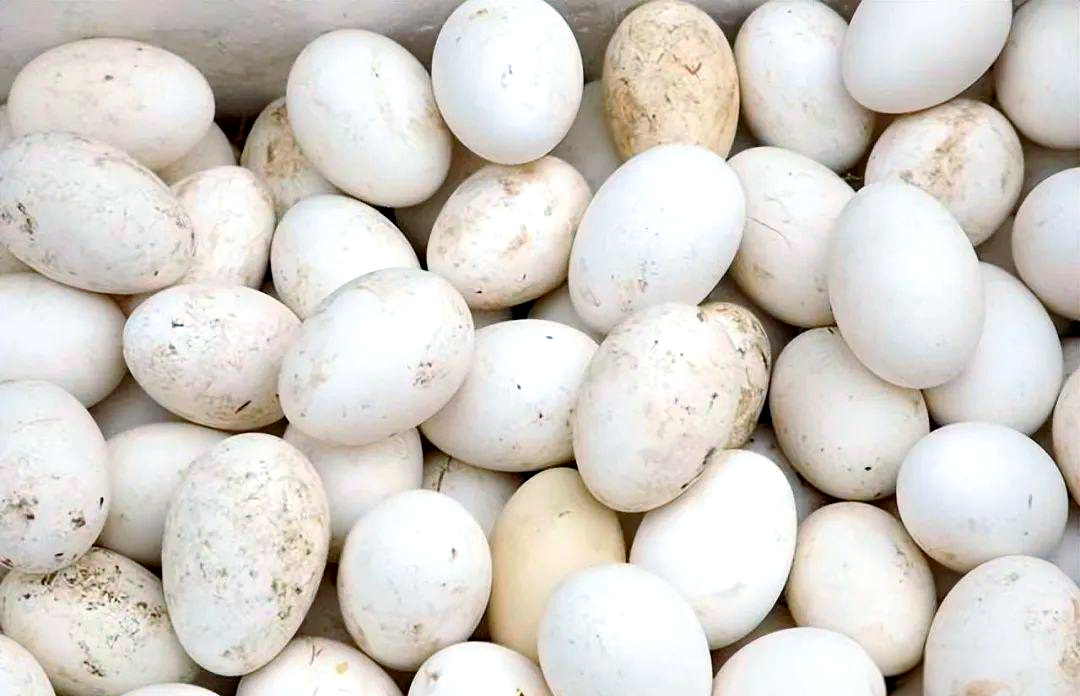
Goose eggs are larger than chicken eggs and have a richer flavour. But they also spoil faster if not stored properly. In a well‑managed cold room, goose eggs can stay fresh for 4 to 5 months. The key is to keep the temperature stable and the humidity just right.
Below I’ll explain the ideal conditions, how to prepare eggs before storage, and what to watch out for during storage and when taking them out.
Ideal Temperature and Humidity
For long‑term storage of goose eggs, set your cold room to:
- Temperature: 0°C (32°F)
- Relative humidity: 82% – 87%
At 0°C, the eggs’ respiration slows down significantly. This keeps the internal enzymes and microbes inactive, so the eggs don’t age quickly. Humidity above 82% prevents the eggs from losing moisture through the shell, but below 87% avoids mould growth.
Why not colder? If the temperature drops below 0°C, the contents inside the egg freeze and expand. That cracks the shell, and the egg is ruined.
Why not warmer? Above 0°C, bacteria multiply faster, and the eggs will spoil within weeks.
Pre‑Cooling Before Entering Cold Storage
You cannot just put freshly laid goose eggs straight into a 0°C room. The sudden temperature difference causes condensation on the shell, which invites mould.
Instead, pre‑cool the eggs gradually:
- Set a pre‑cooling room or area to 1–2°C (34–36°F)
- Leave the eggs there for about 24 hours
- After that, move them into the main cold storage at 0°C
This slow cooling allows the egg temperature to drop without sweating.
Regular Checks and Ventilation
Even in a perfect cold room, you need to monitor the eggs. A good routine:
- Inspect every 10 days – remove any eggs with cracks, off smells, or signs of mould.
- Ventilate the cold room regularly – fresh air prevents the buildup of ethylene and other gases that can affect egg quality.
If you are storing a large quantity – say, 1,000 tons – proper management becomes even more critical. For a detailed look at large‑scale projects, check out our 1,000‑ton poultry egg cold storage cost page.
How to Take Goose Eggs Out of Cold Storage
The temperature difference between a 0°C cold room and the outside (especially in warm weather) is huge. If you take eggs directly from cold to warm air, moisture condenses on the shells. Those water droplets become a breeding ground for bacteria and mould.
To avoid this:
- Move the eggs to a transition room or area at a slightly higher temperature (e.g., 4–5°C) for a few hours.
- Then let them sit at room temperature until the egg surface warms up to about 3–4°C below the outside air temperature.
- Only then should you bring them out completely.
This gradual warming prevents “sweating” and keeps the shells dry.