 Haocool

A seafood blast freezer is not a regular cold room. It’s designed to pull heat out of products very quickly – usually within hours – and bring the core temperature down to -18°C or lower. This fast freezing stops large ice crystals from forming, so the seafood keeps its texture, flavour, and colour.
A seafood blast freezer is not a regular cold room. It’s designed to pull heat out of products very quickly – usually within hours – and bring the core temperature down to -18°C or lower. This fast freezing stops large ice crystals from forming, so the seafood keeps its texture, flavour, and colour. For a complete range of equipment and design options, check out our seafood cold storage solutions page.
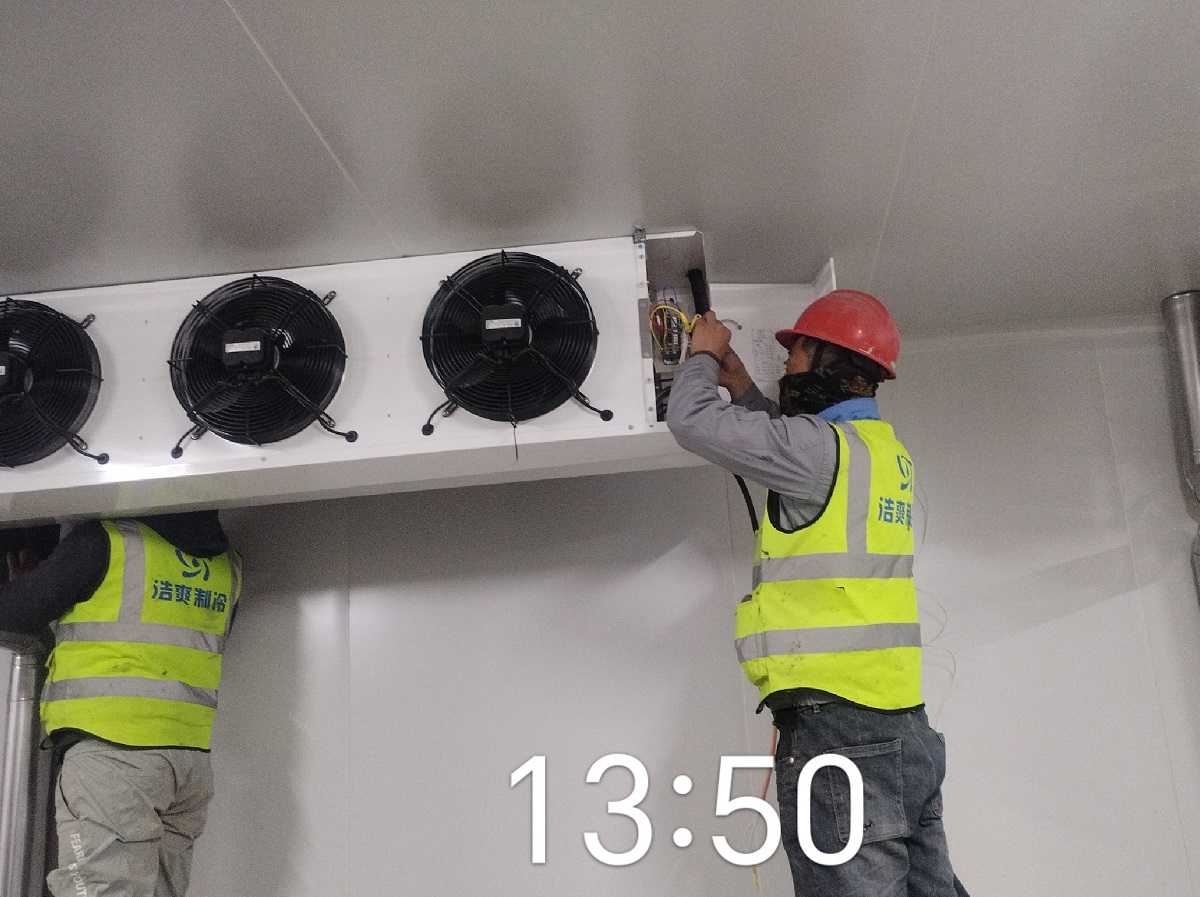
First, How Much Space and Capacity?
- Floor area: 300 m²
- Ceiling height: 3.8 metres
- Total volume: 1,140 m³
- Estimated storage capacity: 200–230 tons of frozen seafood (based on 5–5.5 m³ per ton for frozen products)
That’s a good size for a medium seafood distributor or a fish processing plant in Lagos.
Temperature Requirements
Most seafood – fish fillets, shrimp, squid, octopus – freezes well at -25°C to -30°C. Some species like tuna require much colder temperatures (-60°C), but that’s a specialised case. For this project, we assume a standard -25°C to -30°C range.
Keeping a blast freezer at -30°C in Lagos’s tropical heat is challenging. You need thick insulation and a powerful, reliable refrigeration system.
Construction Requirements
Insulation Panels
For -25°C to -30°C, the minimum insulation thickness is 120mm of polyurethane with double‑face steel panels. That’s standard.
If you want lower energy bills and better temperature stability, go for 150mm panels. They cost about 10–15% more but pay back within 2–3 years in electricity savings – especially important in Nigeria where power can be expensive.
Refrigeration System
A 300m² blast freezer at -30°C needs a substantial system. We recommend:
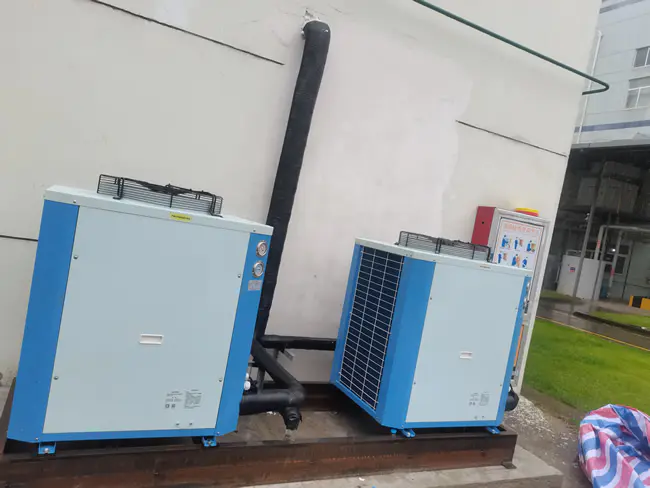
- Two (2) units of 30HP original imported semi‑hermetic screw compressor sets (brands like Bitzer, Copeland, or Hanbell). Screw compressors are more efficient and last longer than piston types for low‑temperature work.
- Four (4) DJ series evaporators (air coolers) placed evenly inside the room. The DJ series is designed for low temperatures with high‑efficiency fans and electric defrost.
Two smaller compressors are better than one large one – you can run only one during partial load, and you have a backup if one fails.
Electrical Supply in Lagos
Lagos’s power grid is not always reliable. You must plan for:
- A diesel generator (or a natural gas generator) sized to run the entire blast freezer plus lights. A 30HP compressor draws about 22 kW, and two of them plus fans could require 60–70 kVA.
- A voltage stabiliser or automatic voltage regulator. Fluctuations damage compressors.
Some operators also add a solar‑hybrid system to reduce diesel costs, but that’s a separate investment.
Estimated Cost in Lagos, Nigeria
Based on equipment, shipping to Lagos (Apapa port), customs clearance, installation, and commissioning, a 300m² seafood blast freezer costs approximately:
$76,000 – $97,000 USD
(That’s roughly 60–80 million Nigerian Naira, depending on the exchange rate.)
The price includes:
- Polyurethane insulation panels (walls and ceiling) – 120mm or 150mm
- Two 30HP screw compressor condensing units
- Four DJ series evaporators
- Refrigeration piping, valves, and refrigerant
- Electrical control panel (basic, with defrost timers)
- Installation labour and training
- One‑year parts and labour warranty
It does not include the building structure, foundation, generator, or electrical wiring from the main distribution board to the cold room.
Factors That Can Change the Price
| Factor | Effect on cost |
|---|---|
| Insulation thickness (150mm vs 120mm) | +10–15% |
| Compressor brand (imported premium vs good Chinese) | +20–30% for premium |
| Number of doors (single large door vs two smaller ones) | +$2,000–3,000 for second door |
| Remote monitoring and alarms | +$2,000–4,000 |
| Spare parts kit (extra compressor, sensors) | +$3,000–5,000 |
For a more detailed breakdown, visit our cold storage construction cost page.
Why a Blast Freezer Makes Sense in Lagos
Lagos is a huge seafood market. Fish comes in from coastal waters and from imports. Without proper freezing, spoilage rates are high. A well‑designed seafood blast freezer lets you:
- Freeze fresh catch immediately after landing, locking in quality
- Store large quantities for weeks or months, smoothing out supply
- Reduce waste from power outages (if you have backup)
- Supply hotels, restaurants, and supermarkets with consistent frozen stock
Many seafood businesses in Lagos recover the $76,000–97,000 investment in under two years through reduced spoilage and better buying power.