 Haocool

Wine is temperamental. It does not like heat. It does not like temperature swings. It does not like dry air that shrinks corks. If you produce wine, distribute it, or collect it seriously, you have probably encountered these problems before.
The solution is a constant-temperature wine cellar. For a winery or a distributor, a 100‑square‑metre room is a common mid‑sized option. It is large enough to hold tens of thousands of bottles but small enough to be installed in an existing building without massive structural work.
What Does a 100m² Wine Cellar Cold Room Cost?
A 100‑square‑metre constant‑temperature wine cold room typically costs between $15,000 and $21,000 USD.
That price covers the complete turnkey installation – insulated panels, refrigeration equipment, temperature and humidity controls, lighting, piping, cabling, and on‑site commissioning. It does not include the building itself, the floor slab, or any structural work.
The final cost depends on a few variables. The required temperature range (usually 10–15°C) is moderate, so the refrigeration system is not as expensive as a freezer. But humidity control adds cost – you need to maintain 60–75% relative humidity to keep corks from drying out. Insulation thickness and equipment brand also move the number up or down.
How Much Wine Can a 100m² Room Hold?
A 100‑square‑metre room with a ceiling height of 2.5 to 3 metres gives you about 250 to 300 cubic metres of storage volume. How many bottles that translates to depends on how you store them.
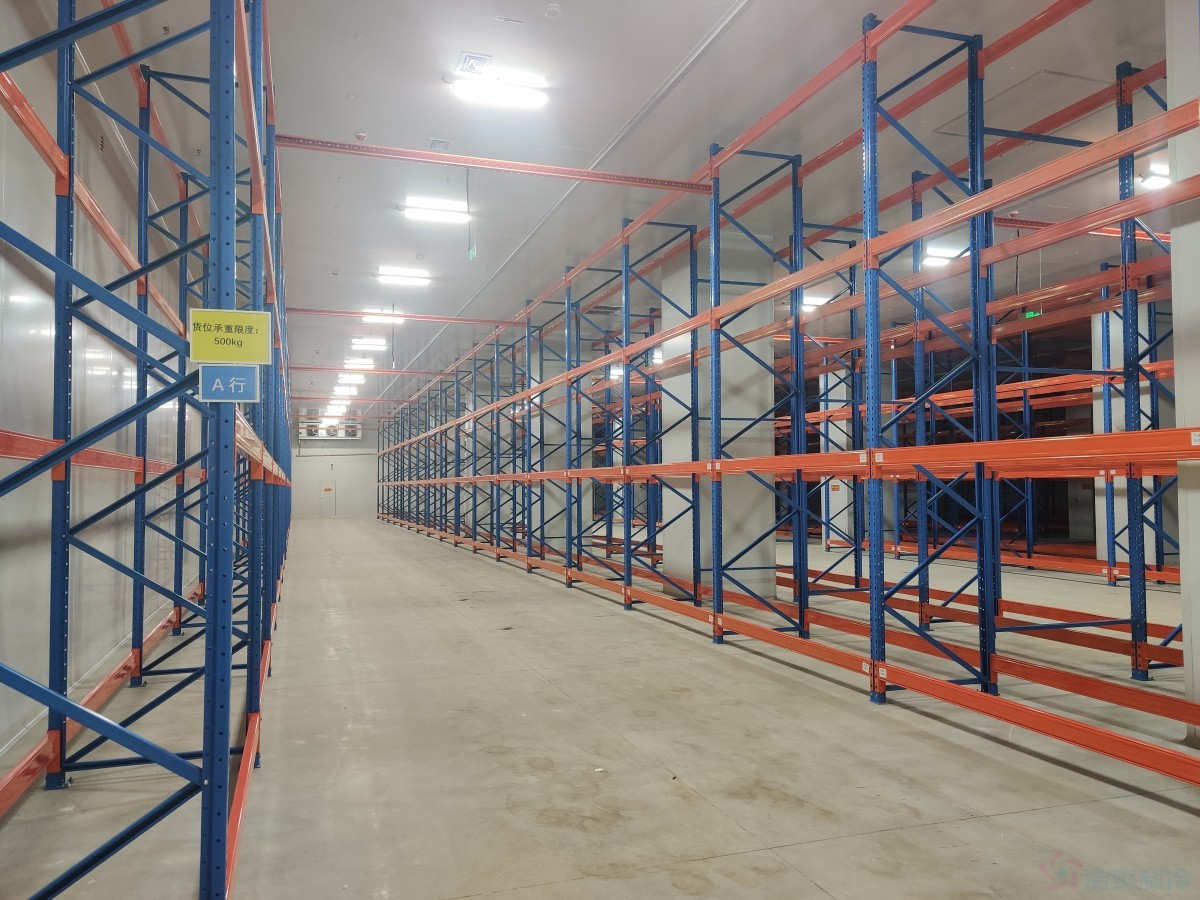
- Pallet storage: roughly 30,000 to 40,000 bottles. This is the most space‑efficient method for distributors.
- Wine rack storage: about 20,000 to 25,000 bottles. This takes more space per bottle but is better for long‑term aging and easy access.
- Barrel storage: around 60 to 80 oak barrels (225 litres each), if you are aging wine in the cellar rather than just storing bottled product.
For a medium‑sized winery, a wine distributor, or a serious private collector, this is a practical capacity. It gives you enough room to store a full vintage or maintain inventory for regular sales.
What Problems Does This Solve?
A constant‑temperature wine cellar solves several problems that affect wine quality.
Temperature stability is the biggest one. Wine stored at 10–15°C ages at the right pace. Above 20°C, it oxidises and loses fruit character. Below 5°C, it stops aging properly and may develop haze or tartrate crystals.
Humidity control is the second issue. If the air is too dry, corks shrink and allow oxygen to enter the bottle. That spoils the wine. If the air is too wet, mould grows on labels and corks. The 60–75% range keeps corks firm and labels clean.
Fluctuation is the hidden killer. Even if the average temperature is correct, daily swings of 3–5°C cause the wine to expand and contract inside the bottle. That pumps air in and out through the cork, accelerating oxidation. A properly designed wine cellar keeps temperature steady within plus or minus 1°C.
Most customers build this type of cold room because their previous storage had temperature swings, poor humidity, or simply not enough space. The new room solves all three at once.
How Long Does Installation Take?
A 100m² wine cellar cold room is a relatively quick project.
- Design and planning: 2 to 3 days
- Panel fabrication: 5 to 7 days
- On‑site installation: 7 to 10 days
- Testing and commissioning: 1 to 2 days
Total project duration is typically 15 to 22 days from order to handover. That is fast enough to fit between production seasons or during a quiet period in the business.
What About Running Costs?
Energy consumption is lower than you might expect. A wine cellar at 10–15°C uses much less electricity than a freezer at -18°C.
Monthly power usage is usually 1,200 to 2,000 kWh, depending on the local climate, insulation quality, and how often the door is opened. In a hot country, the system works harder, so consumption is on the higher end. In a temperate climate, it is lower.
Compared to the value of the wine stored inside, the running cost is a small percentage of the business.
👉For customers who want to see how a real project is built and operated, you can check our actual Wine Cold Room Engineering Case here.